Regular breast health screening plays a vital role in early detection and prevention of breast cancer — one of the most common cancers among women in India. Experts stress that consistent monitoring through self-examinations, clinical check-ups, and imaging tests like mammograms or ultrasounds can significantly improve survival rates.
Rising Breast Cancer Cases in India
According to a recent ICMR study published in The Journal of the American Medical Association (JAMA), breast, cervical, and ovarian cancers are the most prevalent among Indian women. The report warns that breast cancer cases may surpass 2.3 lakh in 2024, making it the leading cancer affecting women in the country. Alarming trends also show that more women in their 30s and 40s are being diagnosed — challenging the misconception that it is an “older women’s disease.”
Overcoming Myths and Taboos
Despite awareness campaigns, discussions about breast health are still considered taboo in many communities. This silence often delays diagnosis and treatment. Doctors emphasize that early detection is the key — identifying changes in breast tissue at an early stage can make treatment more effective and reduce complications.
Safe Breast Screening Practices
Breast health screening typically includes:
- Clinical breast exams by healthcare professionals.
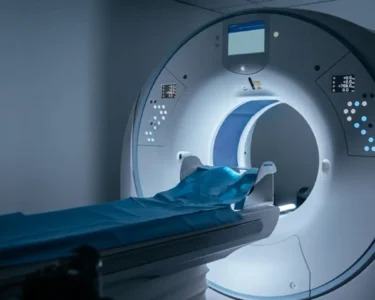
- Mammography or ultrasound, depending on age and medical history.
- Self-breast examinations (BSE) for regular self-monitoring.
Women with a family history of breast cancer or genetic predispositions should start screening earlier and undergo yearly evaluations.
How to Perform a Monthly Self-Exam
A breast self-exam is a simple and effective way to detect early signs of abnormality. Here’s how to do it safely:
- Stand before a mirror and observe the shape, size, and color of your breasts. Look for visible changes such as dimpling, swelling, or redness.
- Use the pads of your three middle fingers to gently press on different areas of the breast — light pressure for tissue near the surface, medium for deeper tissue, and firm for tissue close to the chest wall.
- Check for lumps, thickened areas, or unusual discharge from the nipple.
- Lie down and repeat the process, placing a pillow under one shoulder for better reach.
- Perform this exam once a month, preferably a few days after your menstrual period ends.
Lifestyle Tips for Better Breast Health
Maintaining overall wellness can also lower breast cancer risks. Experts recommend:
- Eating a balanced, nutrient-rich diet.
- Exercising regularly and staying physically active.
- Avoiding smoking and excessive alcohol consumption.
- Following your doctor’s recommended screening schedule without delay.
Taking charge of your breast health through awareness, regular screening, and healthy habits can make a life-saving difference. It’s time for women to be proactive, not fearful — because early detection truly saves lives.
👉 Image Source: Freepik | Image Credit: Respective Owner