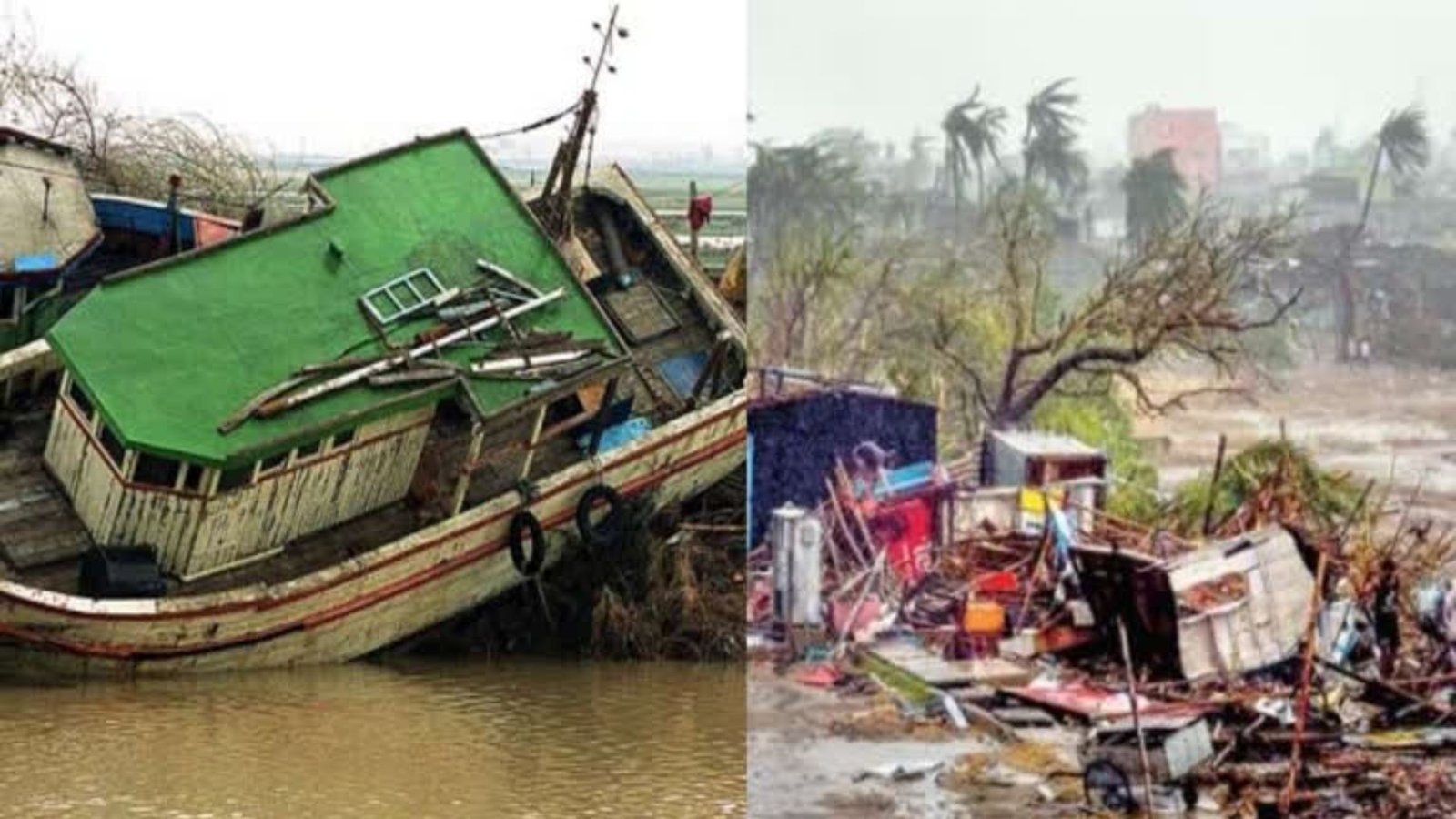
When the 1999 Super Cyclone struck Odisha, it left behind a trail of unimaginable devastation — and a lesson that would redefine disaster management across India. Twenty-five years later, as Cyclone Montha sweeps through the Bay of Bengal, the state stands prepared, shaped by the hard-earned resilience born from that fateful storm.
The Day Odisha Stood Still
In late October 1999, a ferocious cyclone — later called the “Black Friday” storm — ripped through Odisha’s coast. Winds roared at more than 250 km/h, tidal waves submerged villages, and entire communities were erased overnight. Nearly 10,000 people lost their lives, millions were displaced, and over 1.6 million homes were destroyed.
But amid the ruins, Odisha’s spirit endured. Strangers became family. Villagers shared food and shelter, helping one another survive in the dark days that followed. Those stories of courage — a farmer sharing his last meal, teachers keeping children calm in schools, nurses wading through floodwaters to reach patients — became symbols of collective strength.
The Turning Point: Lessons from 1999
Before 1999, cyclone warnings were often ignored, and disaster response lacked coordination. The tragedy changed everything. It spurred a massive shift in how Odisha — and India — prepared for natural disasters.
In the years that followed, the government and local communities built hundreds of multi-purpose cyclone shelters, trained volunteers in rescue and relief operations, and established a strong early-warning network with sirens, radios, and SMS alerts. Disaster management became not just a government duty but a shared social responsibility.
This transformation led to what experts now call the “Odisha Model” — a zero-casualty approach to cyclone management that’s studied worldwide. From community radios to evacuation maps and school-based shelters, the state turned its worst tragedy into a global blueprint for saving lives.
Facing Cyclone Montha: Ready, Not Afraid
Two and a half decades later, when Cyclone Montha gathered strength over the sea, Odisha was no longer unprepared. The government acted swiftly — deploying hundreds of personnel from NDRF, ODRAF, and local rescue teams before landfall. Vulnerable groups, including children, pregnant women, and the elderly, were safely evacuated.
Social media soon filled with images of people helping each other — volunteers packing relief supplies, rescue workers comforting families, and hospitals running on backup power to ensure no patient was left behind.
A Living Legacy of Resilience
Today, Odisha’s response to Cyclone Montha stands as proof of how far the state has come since 1999. What has changed isn’t just the technology or the shelters — it’s the mindset. Every new storm now reminds people not only of past losses but of the courage that rose from them.
The legacy of the Super Cyclone lives on in every drill, every evacuation, and every helping hand extended during a crisis. Odisha’s story is no longer one of despair, but of determination — a story of how a community turned tragedy into strength and built a future rooted in preparedness and hope.
So when the winds rise again and warnings echo through radios across eastern India, the message is clear and calm: “Remember 1999. Act now. Help each other.”
Image Source: Google | Image Credit: Respective Owner