The Democratic Republic of Congo (DRC) is grappling with a severe cholera epidemic, prompting Médecins Sans Frontières (MSF) to issue increasingly urgent warnings about the escalating crisis. The outbreak, which has been ongoing for several months, is now threatening to overwhelm the country’s already strained healthcare system, particularly in densely populated urban areas and regions with limited access to clean water and sanitation.
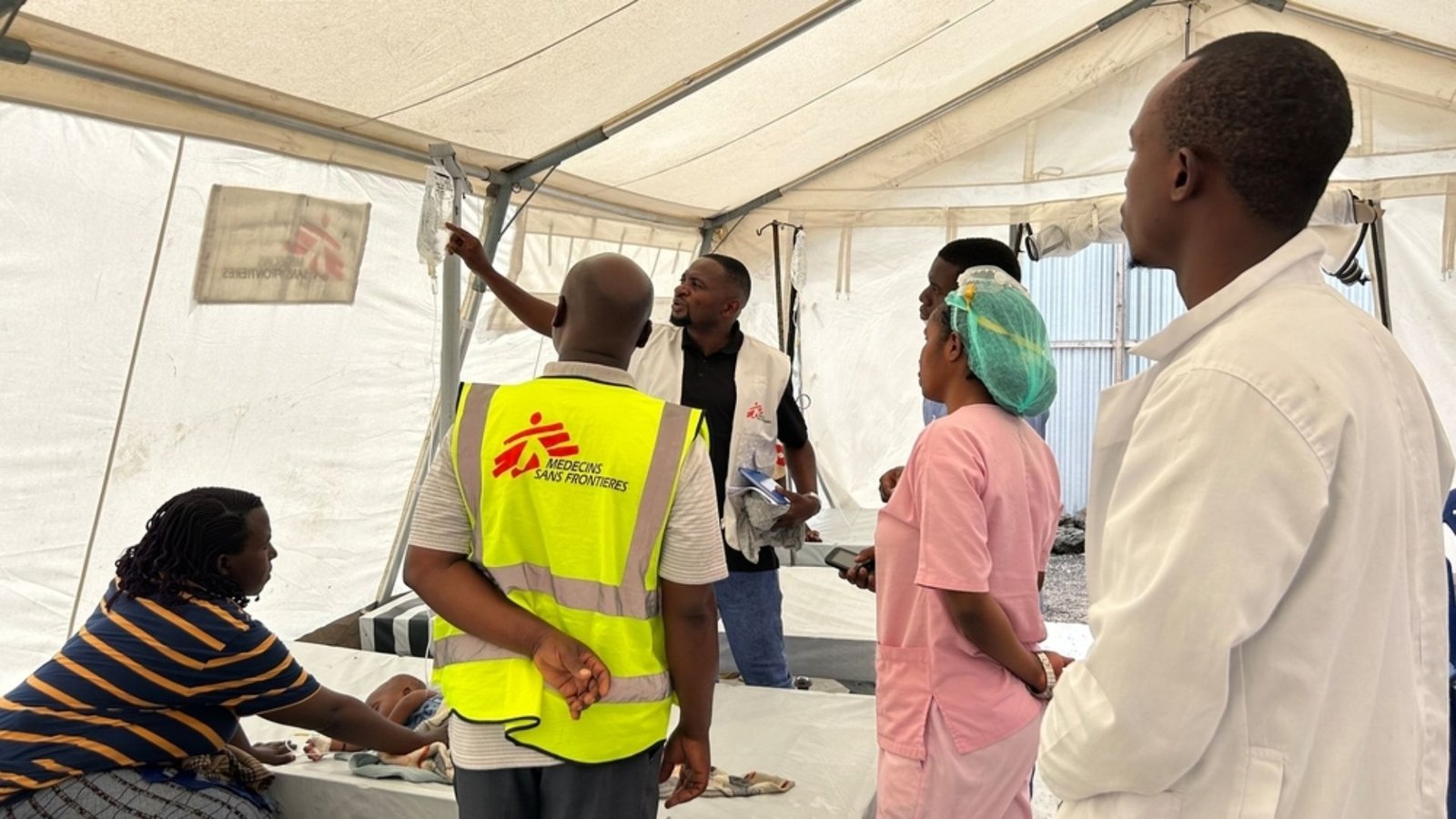
MSF’s teams on the ground are reporting a surge in cholera cases, with treatment centers struggling to cope with the influx of patients. The organization is working to expand its capacity, providing medical care, distributing hygiene kits, and implementing water and sanitation projects to help contain the spread of the disease. However, the scale of the epidemic and the logistical challenges of operating in the DRC are hindering efforts to bring the outbreak under control.
Factors Contributing to the Spread
Several factors are contributing to the rapid spread of cholera in the DRC. These include inadequate access to clean water and sanitation, poor hygiene practices, and the displacement of populations due to ongoing conflict and insecurity. The lack of infrastructure and resources in many parts of the country further exacerbates the problem, making it difficult to deliver essential services and implement effective prevention measures. The recent heavy rains and flooding have also played a role, contaminating water sources and creating breeding grounds for the bacteria that cause cholera.
Cholera is a highly contagious disease that is transmitted through the ingestion of contaminated food or water. Symptoms include severe diarrhea and vomiting, which can lead to dehydration and death if left untreated. Children are particularly vulnerable to the disease, and outbreaks can have a devastating impact on communities.
MSF’s Response and Challenges
MSF is working closely with the Congolese Ministry of Health and other organizations to coordinate the response to the cholera epidemic. The organization’s teams are providing medical care to patients, distributing hygiene kits, and implementing water and sanitation projects. MSF is also working to raise awareness about cholera prevention and promote good hygiene practices.
However, the challenges of responding to the epidemic are significant. The DRC is a vast country with limited infrastructure, and many parts of the country are difficult to access due to conflict and insecurity. The lack of resources and the shortage of trained healthcare workers are also hindering efforts to bring the outbreak under control. Furthermore, the ongoing political instability and the upcoming elections are creating additional challenges, diverting resources and attention away from the health crisis.
The cholera epidemic in the DRC is a major public health emergency that requires urgent action. Increased funding and resources are needed to support the response, and efforts must be made to improve access to clean water and sanitation, promote good hygiene practices, and strengthen the country’s healthcare system. Without a coordinated and sustained effort, the epidemic is likely to continue to spread, with potentially devastating consequences for the people of the DRC.
Image Source: Google | Image Credit: Respective Owner