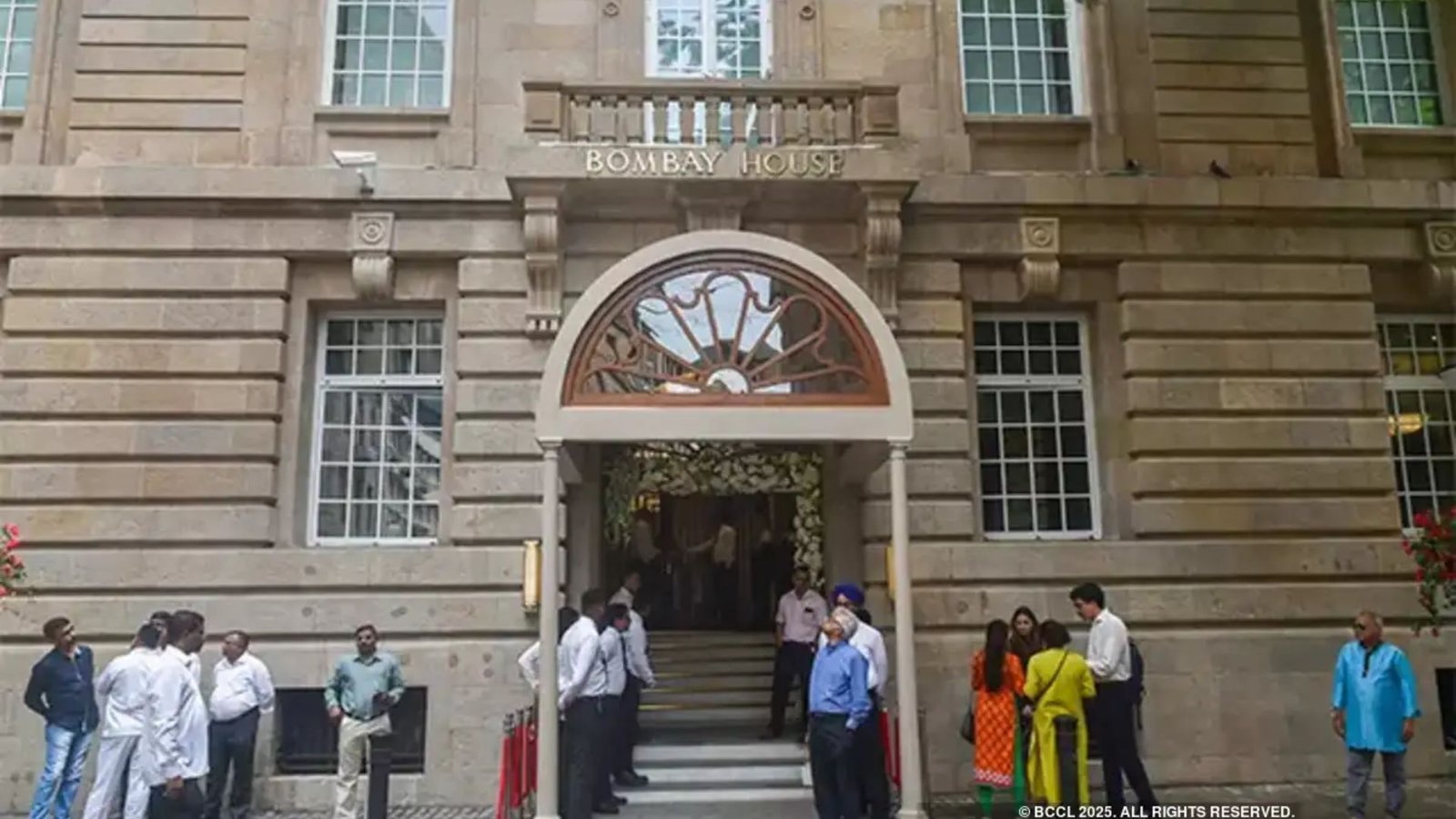
Mehli Mistry, a trustee of the Tata Trusts, has set a rare condition for his renewal, signaling potential friction within the powerful philanthropic organization. The Trusts, controlling a significant 66% stake in Tata Sons, the holding company of the Tata Group, are pivotal in directing the conglomerate’s charitable activities and overall strategic direction. Mistry’s move highlights simmering differences in the governance or operational aspects of the Trusts, adding a layer of complexity to the leadership dynamics.
The Tata Trusts wield immense influence, not only through their shareholding in Tata Sons but also via their extensive philanthropic endeavors across various sectors, including healthcare, education, and rural development. The composition and decisions of the trustee board are therefore closely watched by stakeholders, given the potential impact on the Tata Group’s strategic orientation and social responsibility initiatives. Any internal discord, particularly concerning the renewal of a trustee, raises questions about the alignment of vision and the future direction of the Trusts.
Implications for Tata Group
Mistry’s condition for renewal could stem from various factors, such as disagreements over investment strategies, project selection, or the overall approach to philanthropy. It is also possible that governance issues or differences in opinion regarding the role and responsibilities of trustees are at play. Whatever the underlying reasons, the situation underscores the need for transparent and effective communication within the Trusts to ensure smooth functioning and maintain public confidence.
The Tata Trusts have a long and illustrious history of contributing to India’s social and economic development. Founded by Jamsetji Tata, the Trusts have played a crucial role in establishing institutions of national importance and supporting initiatives that address pressing societal challenges. The current leadership, including the trustees, is tasked with upholding this legacy and ensuring that the Trusts continue to serve as a catalyst for positive change. Any disruption to the leadership or internal harmony could potentially impact the Trusts’ ability to fulfill their mission effectively.
Looking Ahead
The specific condition set by Mistry remains undisclosed, but its mere existence points to a need for dialogue and resolution within the Trusts. Stakeholders will be keenly observing how this situation unfolds, as it could have implications for the Tata Group’s governance structure and philanthropic priorities. The resolution of these differences will be crucial in reaffirming the Tata Trusts’ commitment to their founding principles and ensuring their continued effectiveness as a force for good in society.
The coming weeks will likely see increased scrutiny of the Tata Trusts’ internal dynamics, as observers seek to understand the nature of the differences and the potential impact on the broader Tata Group. The outcome of Mistry’s renewal process will serve as an indicator of the Trusts’ ability to navigate internal challenges and maintain their position as a leading philanthropic organization in India and beyond. Ensuring stability and a unified vision is paramount for the Tata Trusts to continue their impactful work and uphold the values instilled by their founder.
Ultimately, the focus should be on fostering a collaborative environment where diverse perspectives are valued and constructively addressed, allowing the Tata Trusts to remain a beacon of ethical leadership and social responsibility.
Image Source: Google | Image Credit: Respective Owner