Global health officials are expressing concerns about the future of polio eradication efforts as funding for the initiative faces a significant reduction. Despite substantial progress in recent decades, the final push to eliminate the disease worldwide is now threatened by a 30% cut in funding, according to Reuters.
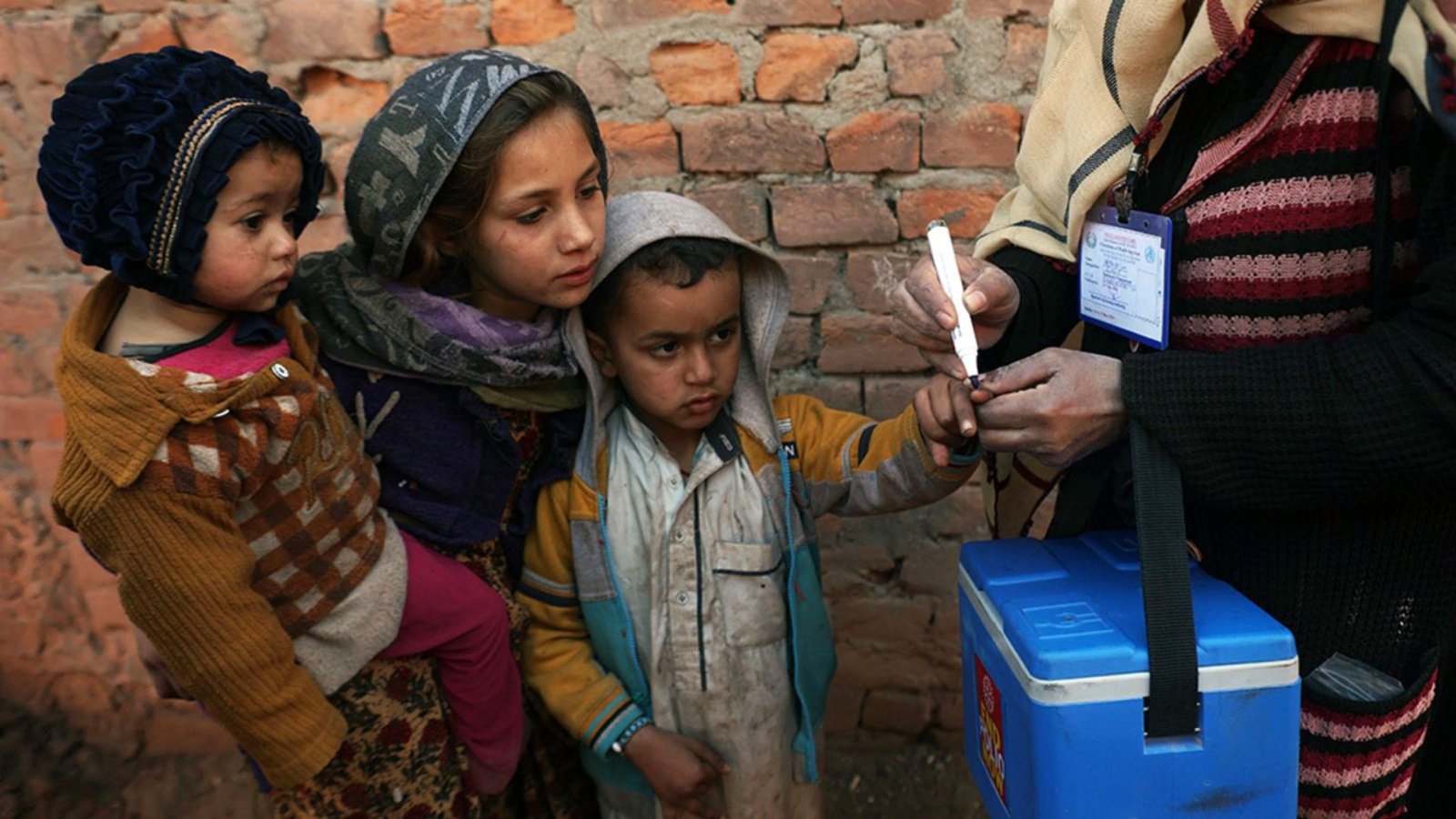
Polio, a highly infectious disease that can cause paralysis, primarily affects young children. While it has been eradicated in most countries, it persists in a few regions, mainly due to challenges in reaching all populations with vaccines. The Global Polio Eradication Initiative (GPEI), a partnership led by national governments, the World Health Organization (WHO), Rotary International, the U.S. Centers for Disease Control and Prevention (CDC), UNICEF, the Bill & Melinda Gates Foundation, and others, has been instrumental in driving down polio cases by over 99% since its launch in 1988.
The Impact of Funding Cuts
The reduction in funding poses a severe risk to ongoing vaccination campaigns, surveillance activities, and research efforts crucial to identifying and addressing remaining pockets of transmission. Health experts warn that without sufficient resources, the virus could resurge and spread to previously polio-free areas, reversing decades of progress.
“We are at a critical juncture in the fight against polio,” stated a spokesperson for the WHO. “While we have made remarkable strides, we cannot afford to become complacent. These funding cuts will undoubtedly hamper our efforts and put more children at risk.” The consequences of a polio resurgence would be devastating, particularly in vulnerable communities with limited access to healthcare.
The funding shortfall comes at a time when global health resources are stretched thin due to other pressing health crises, including the COVID-19 pandemic and various outbreaks of other infectious diseases. However, experts emphasize that investing in polio eradication is not only crucial for preventing the disease but also for strengthening overall health systems in developing countries. Polio eradication efforts have helped build infrastructure, train healthcare workers, and improve vaccine delivery systems, benefiting other public health initiatives.
Call to Action
Health officials are urging donor countries and organizations to step up their financial commitments to the GPEI and ensure that the program has the resources it needs to achieve its goal of eradicating polio once and for all. They argue that the cost of inaction far outweighs the investment required to complete the job. The long-term benefits of a polio-free world, including reduced healthcare costs and improved quality of life for millions of children, are immeasurable.
The fight against polio is a testament to the power of global collaboration and scientific innovation. With renewed commitment and adequate resources, health officials believe that ending polio is still within reach. However, the window of opportunity is closing, and decisive action is needed now to prevent a setback in this historic public health achievement. The global community must unite to protect vulnerable populations and secure a future free from the threat of polio.
Image Source: Google | Image Credit: Respective Owner