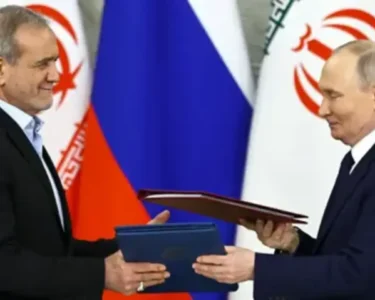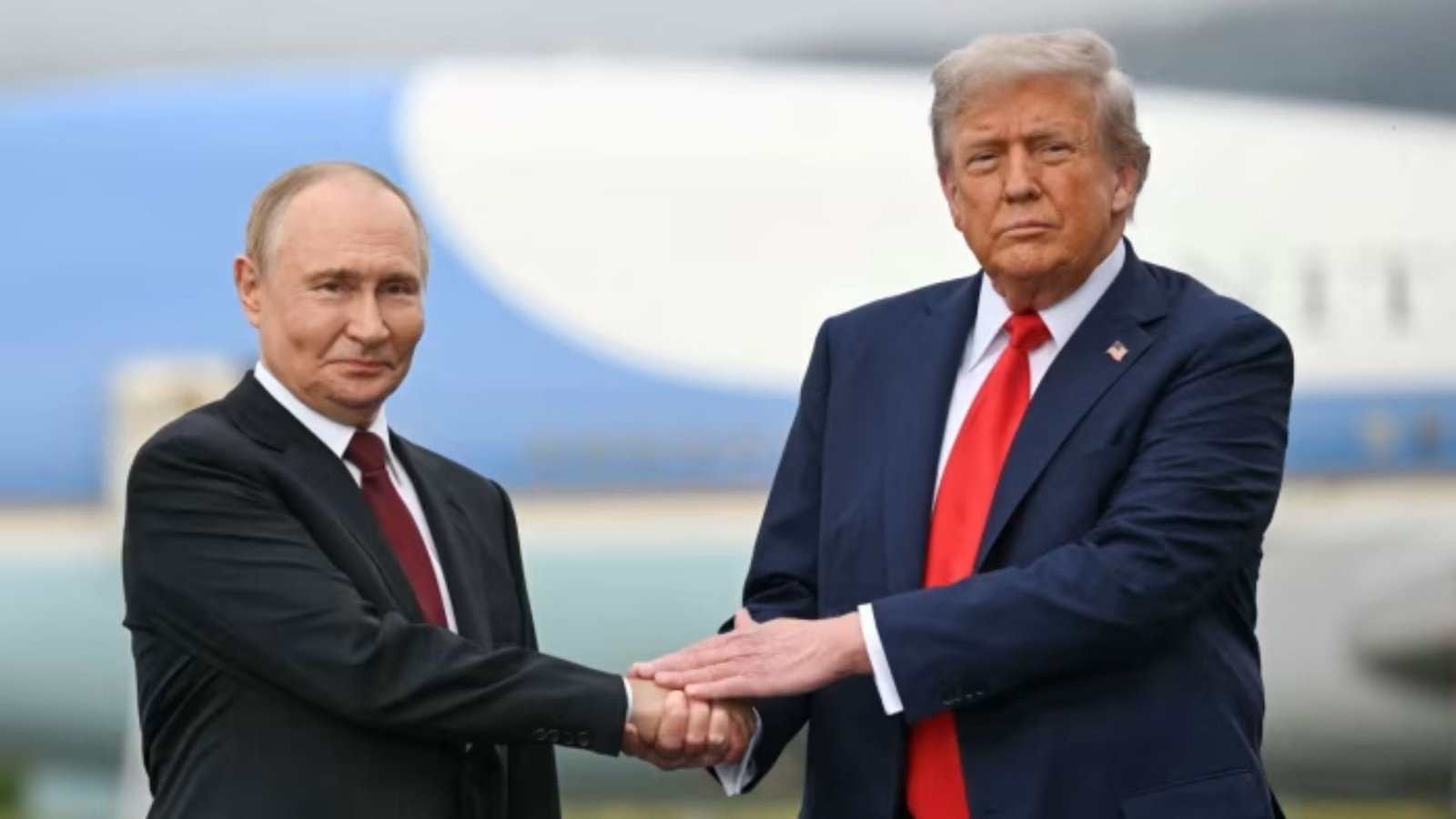
The White House has stated that there are currently no plans for an immediate meeting between former U.S. President Donald Trump and Russian President Vladimir Putin. This announcement comes amidst ongoing speculation regarding potential interactions between the two leaders, particularly in the context of the current geopolitical climate. The relationship between the United States and Russia remains complex and strained, marked by disagreements over various international issues, including the conflict in Ukraine and alleged Russian interference in U.S. elections.
Geopolitical Context
The absence of scheduled talks reflects the delicate nature of U.S.-Russia relations. The Biden administration has maintained a firm stance against Russian aggression and continues to support Ukraine with military and humanitarian aid. Any meeting between a former U.S. president and Putin would undoubtedly be viewed through the lens of these existing tensions. Critics would likely express concerns about the potential for undermining the current administration’s foreign policy efforts.
The White House’s decision also aligns with the broader U.S. strategy of isolating Russia diplomatically. While direct communication channels are maintained for critical issues, high-profile meetings are avoided to signal disapproval of Russia’s actions. This approach is intended to exert pressure on Moscow to adhere to international norms and respect the sovereignty of other nations.
Trump’s previous interactions with Putin have often drawn scrutiny and controversy. During his presidency, Trump faced criticism for appearing too deferential to Putin and for downplaying Russian interference in the 2016 U.S. elections. These past interactions have fueled concerns about the potential implications of any future meetings.
Domestic Considerations
The political landscape within the United States also influences the White House’s calculus. Any perceived softening of stance towards Russia could be exploited by political opponents, further complicating the already polarized environment. The Biden administration must carefully weigh the potential domestic repercussions of any engagement with Putin.
While an immediate meeting is off the table, the possibility of future dialogue cannot be entirely dismissed. Diplomatic engagement, even with adversaries, remains an essential tool for managing international relations. However, any future talks would likely be contingent on significant changes in Russia’s behavior and a clear demonstration of its willingness to adhere to international law.
The announcement underscores the complexities of navigating relations with Russia in the current geopolitical landscape. The White House is prioritizing a cautious and strategic approach, emphasizing deterrence and support for allies while remaining open to dialogue under the right circumstances. The situation remains dynamic, and future developments will likely depend on a range of factors, including the evolving conflict in Ukraine and the broader trajectory of U.S.-Russia relations.
Image Source: Google | Image Credit: Respective Owner