A new drug combination has shown promising results in reducing the risk of death from prostate cancer by 40%, offering a significant advancement in the treatment of this prevalent disease. The findings, published in a leading medical journal, have been hailed as a major step forward by oncologists and patient advocacy groups alike.
The New Treatment Approach
The drug combination involves a novel approach to targeting prostate cancer cells, utilizing two different mechanisms of action to maximize effectiveness and minimize the potential for resistance. The clinical trial, which involved hundreds of patients with advanced prostate cancer, demonstrated a statistically significant improvement in overall survival compared to the standard treatment regimen.
Researchers emphasized that the new drug combination is not a cure for prostate cancer, but it can significantly extend the lives of patients and improve their quality of life. The treatment is designed to be used in conjunction with other therapies, such as radiation and hormone therapy, to provide a comprehensive approach to managing the disease.
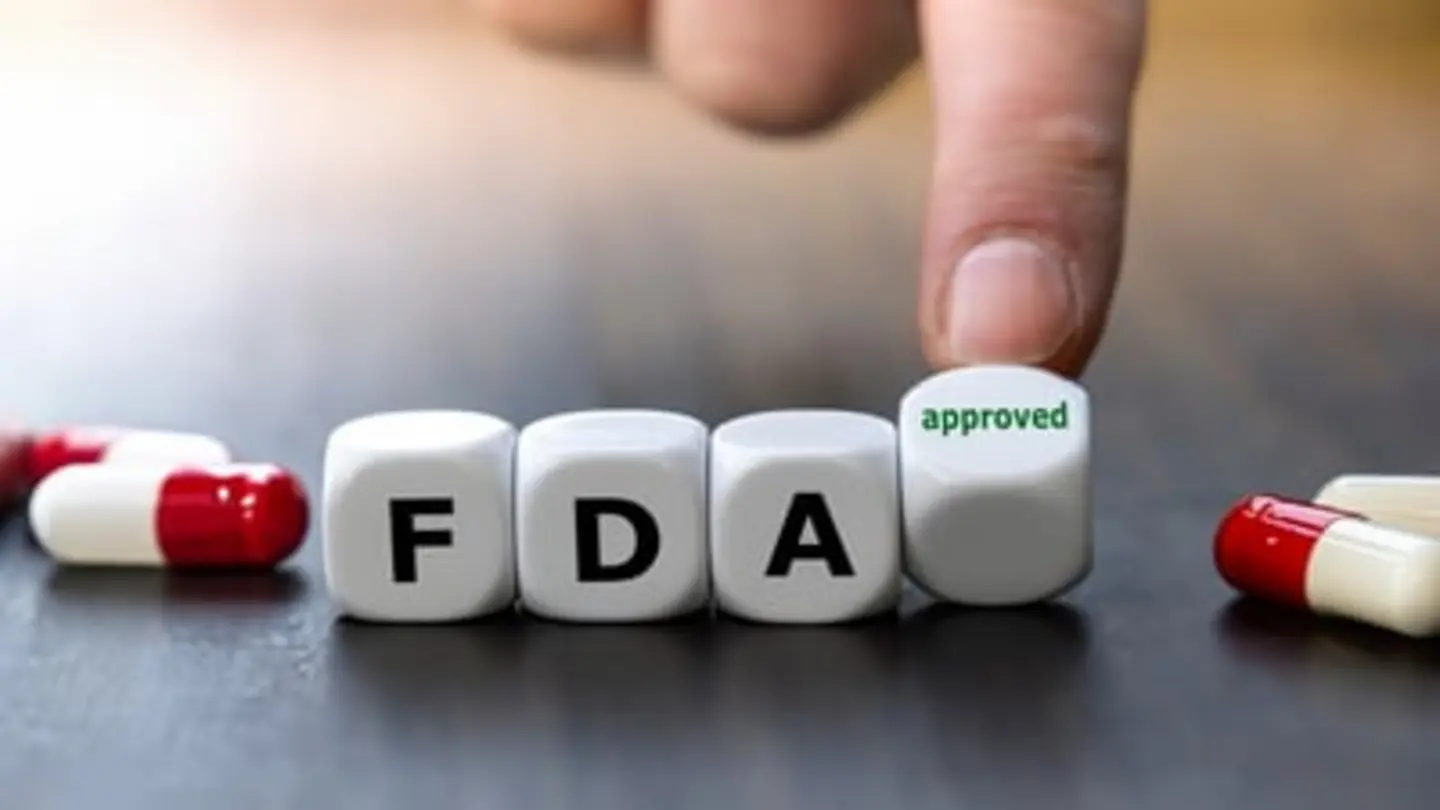
The Food and Drug Administration (FDA) recently approved the drug combination for use in patients with metastatic castration-resistant prostate cancer (mCRPC), a form of the disease that has spread to other parts of the body and is no longer responsive to hormone therapy. This approval marks a crucial milestone in the fight against prostate cancer, providing patients with a new and effective treatment option.
Details of the Clinical Trial
The clinical trial was a randomized, double-blind, placebo-controlled study, considered the gold standard in medical research. Patients were randomly assigned to receive either the new drug combination or a placebo, in addition to standard care. The primary endpoint of the trial was overall survival, and secondary endpoints included progression-free survival, quality of life, and safety.
The results showed that patients who received the drug combination had a median overall survival of 36 months, compared to 24 months for those who received the placebo. This translates to a 40% reduction in the risk of death. The drug combination was also associated with a significant improvement in progression-free survival, meaning that patients who received the treatment experienced a longer period of time without their cancer progressing.
Safety and Side Effects
As with any new treatment, the drug combination is associated with potential side effects. The most common side effects reported in the clinical trial included fatigue, nausea, and diarrhea. However, these side effects were generally manageable with supportive care, and the vast majority of patients were able to continue receiving the treatment without any significant interruptions.
Researchers are continuing to monitor the long-term safety and effectiveness of the drug combination in ongoing clinical trials. They are also investigating the potential of using the treatment in earlier stages of prostate cancer, as well as in combination with other novel therapies. The hope is that this new drug combination will pave the way for even more effective treatments for prostate cancer in the future.
The FDA approval and the compelling clinical trial results represent a victory for prostate cancer patients and their families, signaling a new era of hope in the battle against this deadly disease. Further research and wider adoption of this treatment are expected to improve outcomes and save lives.
Image Source: Google | Image Credit: Respective Owner