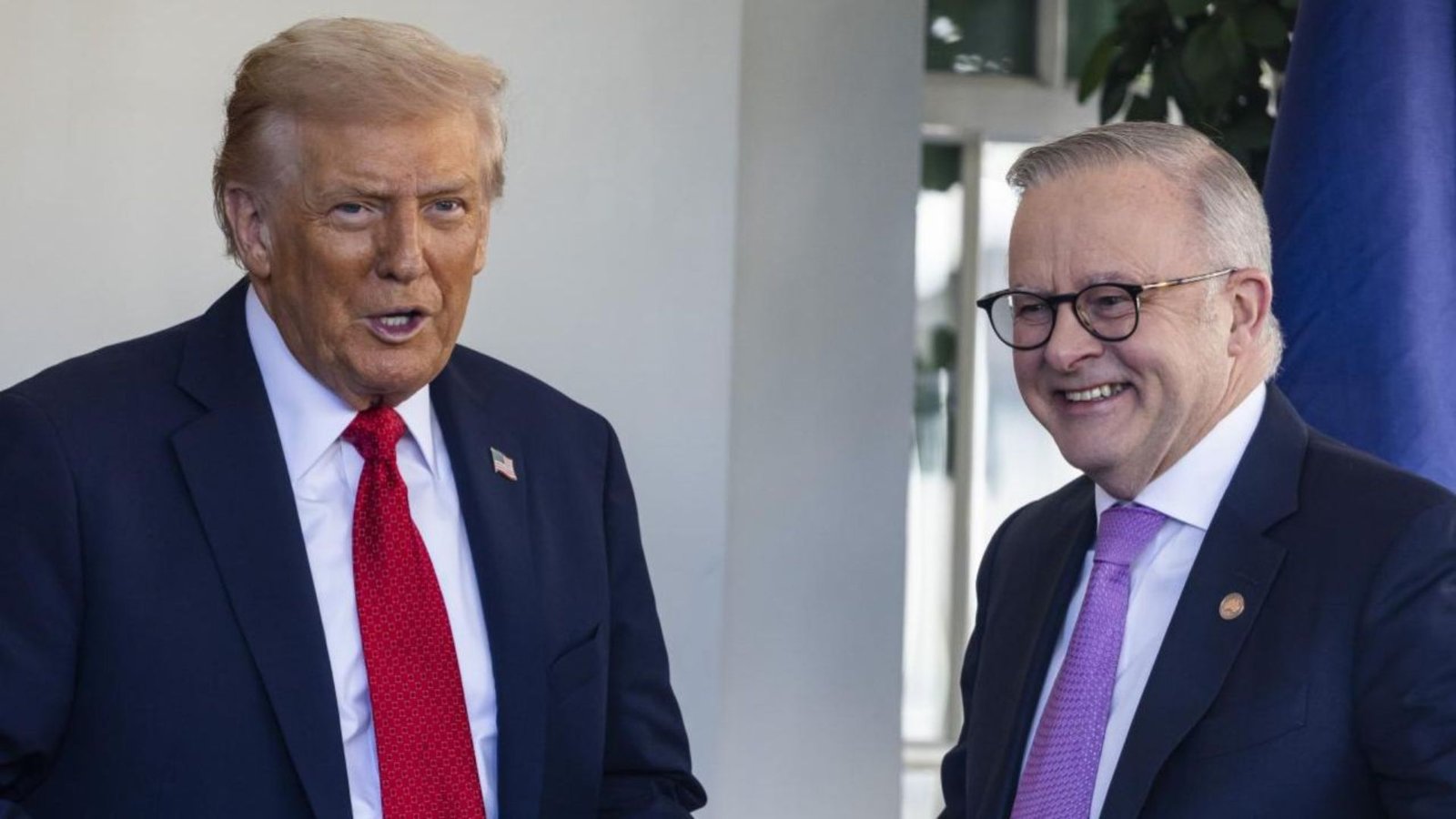
Former U.S. President Donald Trump reportedly told Australia’s ambassador to the United States, Kevin Rudd, “I don’t like you either” during a recent encounter. The incident highlights the potentially strained relationship between the two nations should Trump return to the White House. The exchange, revealed by Rudd himself, underscores the diplomatic challenges that could arise given Trump’s well-documented, often unconventional approach to international relations.
Details of the Encounter
The specifics surrounding the meeting remain somewhat vague, but the remark suggests a personal animosity that could affect diplomatic cooperation. Rudd, a former Australian Prime Minister, is known for his deep understanding of international affairs and has been actively working to foster a strong relationship between Australia and the U.S. However, Trump’s apparent disdain poses a significant hurdle. The incident has sparked discussions among diplomatic circles, with many questioning the potential ramifications for the long-standing alliance between the two countries.
Potential Impact on Australia-U.S. Relations
A second Trump presidency could significantly alter the dynamics of the Australia-U.S. alliance. Trump’s “America First” policy during his initial term often led to friction with allies, as he prioritized U.S. interests above all else. This approach could result in reduced cooperation on issues such as trade, defense, and climate change. Australia, heavily reliant on its alliance with the U.S. for security and economic stability, would need to navigate these challenges carefully. The potential for strained relations is particularly concerning given the increasing geopolitical tensions in the Indo-Pacific region, where Australia and the U.S. have a shared interest in maintaining stability.
Australia’s Strategic Considerations
Given the uncertainty surrounding the future of U.S. leadership, Australia is likely to pursue a multi-faceted approach to safeguard its interests. This could involve strengthening ties with other regional partners, such as Japan, India, and Southeast Asian nations. Australia may also seek to diversify its economic relationships to reduce its reliance on the U.S. market. Additionally, there will likely be increased investment in Australia’s defense capabilities to enhance its self-reliance in a potentially less predictable global landscape. The diplomatic corps will be closely monitoring the U.S. political climate and adapting its strategies accordingly to mitigate potential risks and capitalize on opportunities.
The episode serves as a reminder of the personal element often intertwined with international diplomacy, and how individual relationships between leaders can shape the course of nations. The future of the Australia-U.S. partnership may very well depend on how these personal dynamics are managed in the years to come. The world watches with bated breath, anticipating what this could mean for the future of global cooperation and the balance of power.
Image Source: Google | Image Credit: Respective Owner