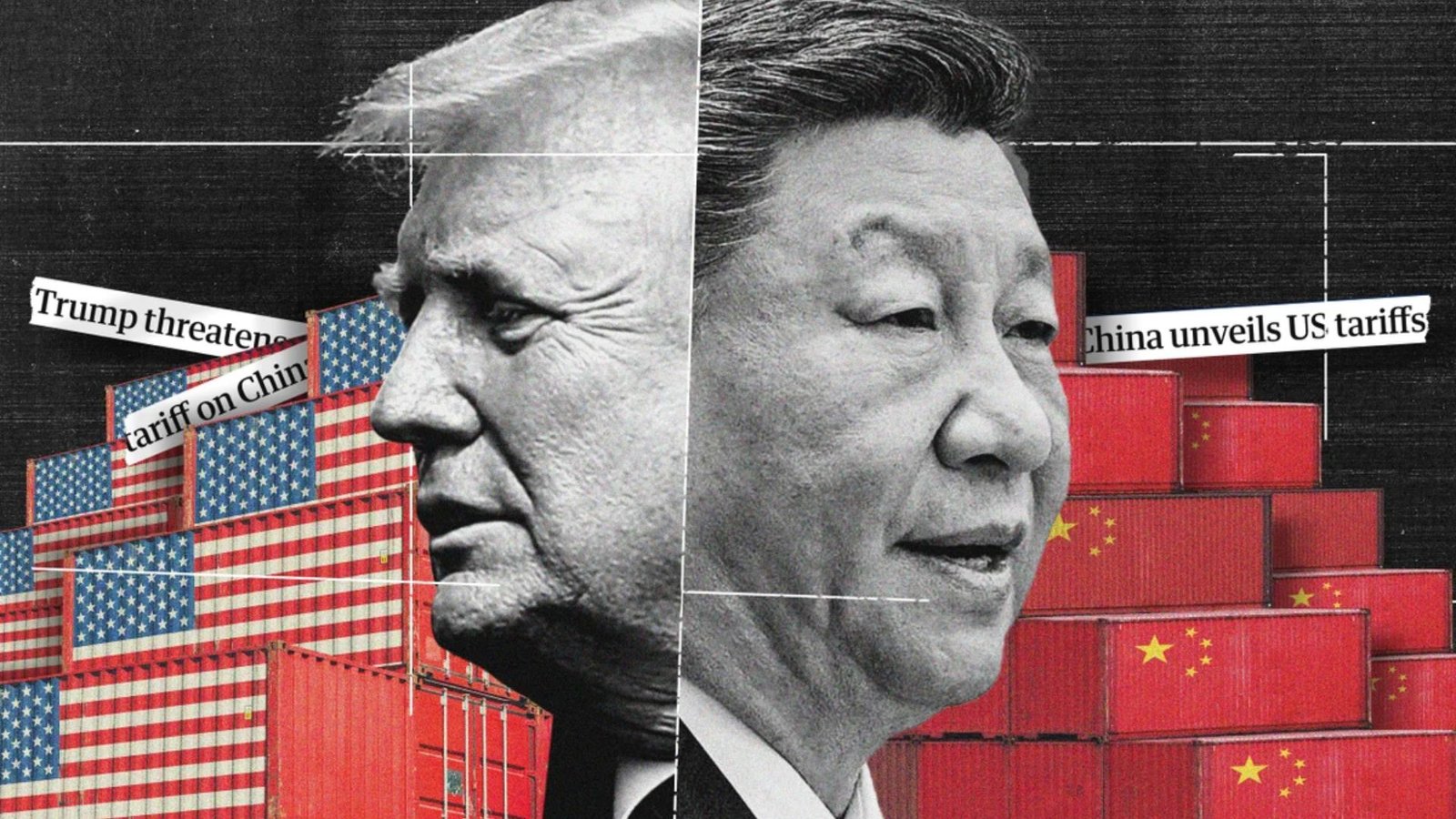
Amidst ongoing trade tensions, former US President Donald Trump has stated that he is “not looking to hurt China” while also outlining key demands for a potential trade deal. These demands reportedly focus on rectifying what Trump considers unfair trade practices and intellectual property theft, issues that have long been at the forefront of US-China economic disputes.
Trump’s Stance on China
Trump’s statement comes after a period of heightened trade friction between the two economic giants, characterized by tit-for-tat tariff impositions and strained diplomatic relations. While acknowledging the potential economic impact of tariffs, Trump maintains that they are a necessary tool to level the playing field and protect American interests. He emphasizes the need for China to address longstanding concerns related to trade imbalances and intellectual property rights.
The former president’s approach to trade with China has consistently been assertive, prioritizing the reduction of the US trade deficit and the protection of American industries. His administration initiated numerous investigations into Chinese trade practices, leading to the imposition of tariffs on billions of dollars worth of Chinese goods. China has retaliated with its own tariffs on US products, creating a cycle of escalating trade tensions.
Despite the trade war, Trump insists that his ultimate goal is not to inflict harm on China but rather to foster a more equitable and mutually beneficial trade relationship. He believes that by addressing the root causes of trade imbalances and intellectual property theft, both countries can benefit from a more sustainable and balanced economic partnership. This stance reflects a nuanced approach that combines economic pressure with a desire for constructive dialogue.
Key Demands for a Trade Deal
Trump’s key demands for a trade deal with China center on several critical areas. First, he insists on greater market access for American companies in China, aiming to reduce barriers to entry and ensure fair competition. Second, he calls for stronger enforcement of intellectual property rights to prevent the theft of American technology and innovation. Third, Trump seeks to address the issue of forced technology transfer, where American companies are allegedly compelled to share their technology in exchange for access to the Chinese market. Finally, he aims to reduce the trade deficit by increasing Chinese imports of American goods and services.
These demands reflect a comprehensive approach to addressing what Trump views as systemic issues in the US-China trade relationship. While negotiations between the two countries have been complex and often fraught with challenges, Trump remains optimistic about the potential for reaching a mutually acceptable agreement that benefits both nations. The future of US-China trade relations will likely depend on the willingness of both sides to engage in constructive dialogue and compromise on key issues.
The ongoing trade disputes have had significant implications for global supply chains, business investment, and economic growth. The resolution of these disputes will be crucial for fostering stability and predictability in the global economy.
Image Source: Google | Image Credit: Respective Owner