India’s Chandrayaan-2 orbiter has provided valuable data on the interaction between the Sun and the Moon, specifically capturing the impact of solar flares on the lunar surface. The findings, reported by The Hans India, highlight the dynamic environment surrounding our celestial neighbor and underscore the importance of continued lunar observation. This data contributes to a broader understanding of space weather and its effects on planetary bodies.
Solar Activity and Lunar Response
The Sun constantly emits streams of charged particles, known as solar wind, and occasionally releases bursts of energy in the form of solar flares and coronal mass ejections (CMEs). When these events reach the Moon, which lacks a substantial atmosphere and magnetic field, they directly interact with the lunar surface. Chandrayaan-2, equipped with a suite of scientific instruments, was uniquely positioned to observe these interactions.
The orbiter’s instruments detected changes in the lunar surface’s composition and electrical properties due to the impact of solar particles. These changes can affect the reflectance of the lunar surface and even liberate loosely bound atoms, contributing to the Moon’s tenuous exosphere. The data collected provides crucial insights into the processes that shape the lunar environment over time.
Chandrayaan-2’s Role in Lunar Science
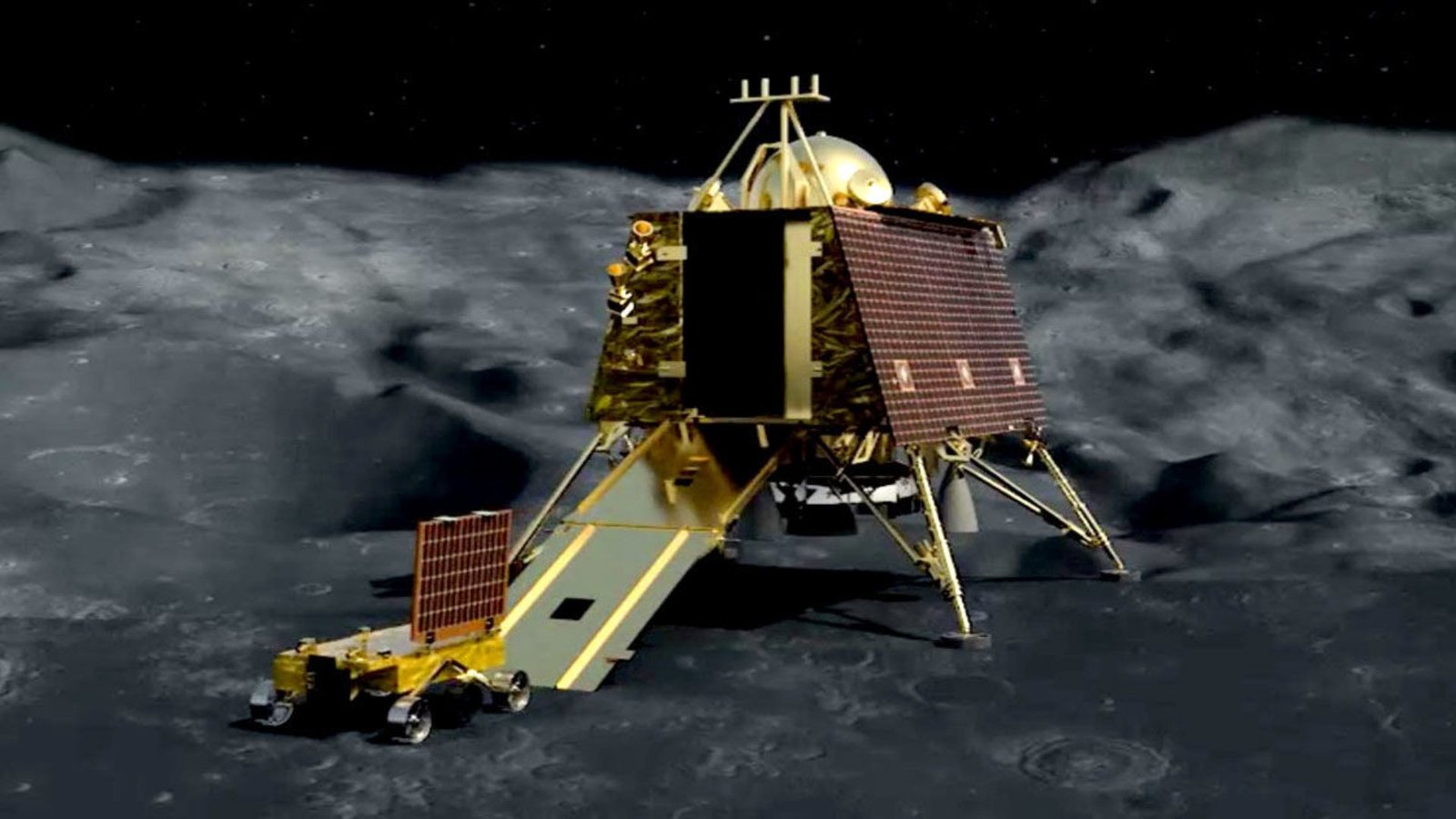
Launched in 2019, Chandrayaan-2 has been instrumental in furthering our knowledge of the Moon. While the lander mission faced setbacks, the orbiter continues to operate successfully, providing a wealth of data through its various instruments. These instruments include spectrometers, imagers, and radio science experiments, all designed to study the Moon’s geology, composition, and environment. The observation of solar flares impacting the Moon is just one example of the orbiter’s scientific contributions.
This discovery emphasizes the significance of long-term lunar missions for monitoring space weather events and understanding their impact on planetary surfaces. Such monitoring is crucial for future lunar missions, especially those involving human exploration, as it helps assess radiation risks and potential hazards. Understanding how the Moon responds to solar activity is also vital for interpreting data from other lunar missions, past and present.
The data from Chandrayaan-2 is being analyzed by scientists worldwide, contributing to a more complete picture of the Sun-Moon interaction. Further research will focus on quantifying the effects of different types of solar events on the lunar environment and modeling the long-term consequences of these interactions. The Indian Space Research Organisation (ISRO) continues to release findings from the mission, solidifying India’s role in lunar science and space exploration.
In essence, Chandrayaan-2’s observations of solar flares interacting with the lunar surface showcase the dynamic interplay between the Sun and the Moon. The mission continues to offer invaluable insights that are essential for protecting future lunar endeavors and enhancing our overall understanding of the solar system.
Image Source: Google | Image Credit: Respective Owner