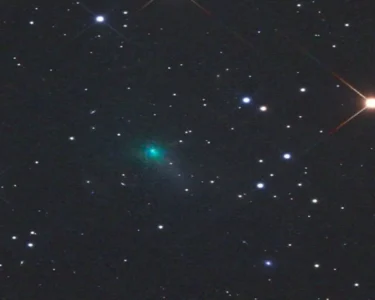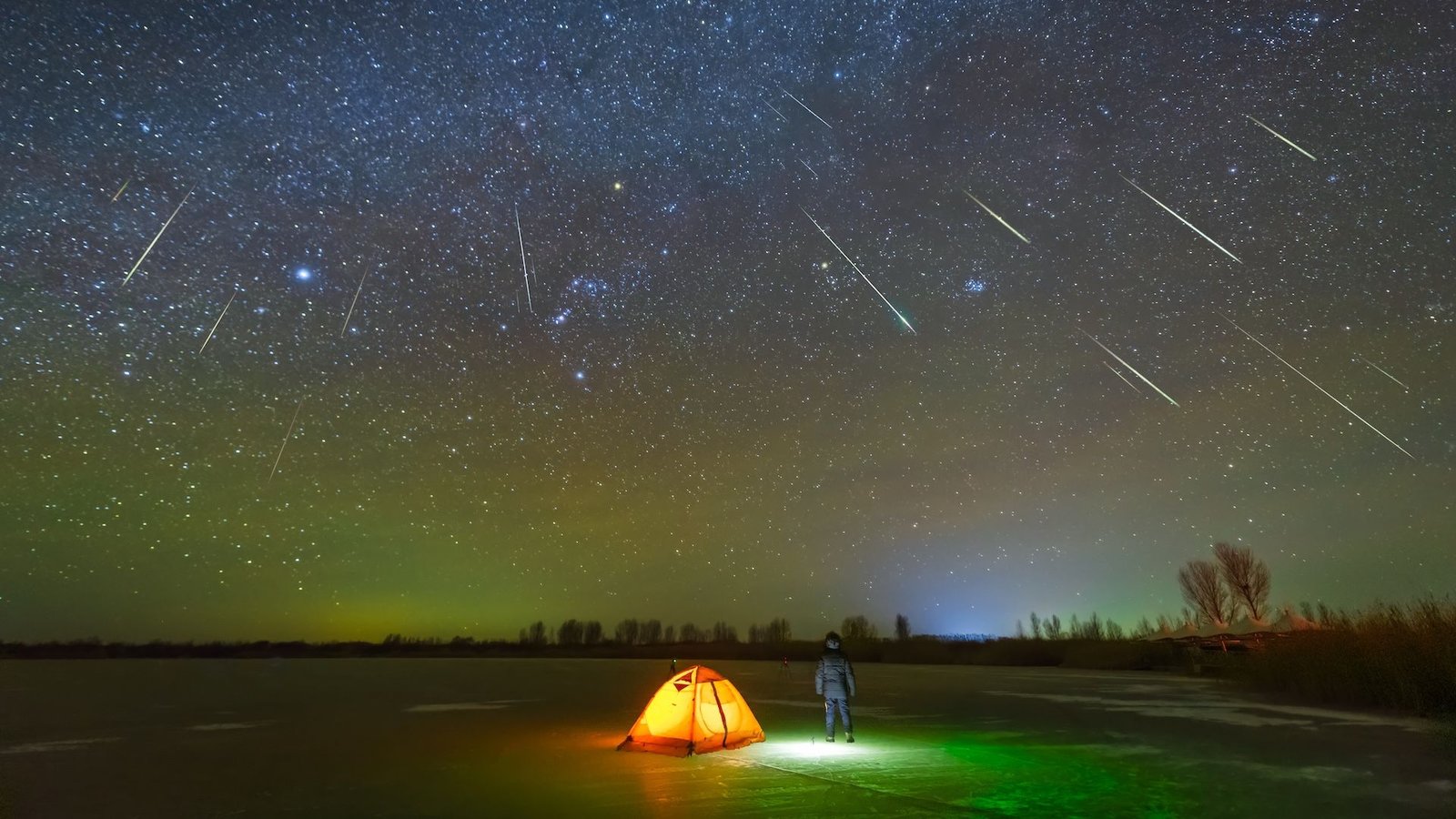
The annual Orionid meteor shower is set to peak next week, offering skywatchers a spectacular celestial display. Stargazers across the globe will have the opportunity to witness this event, which is known for its fast and bright meteors. The shower is caused by debris from the famous Halley’s Comet, which last passed through the inner solar system in 1986. Earth passes through the comet’s dusty trail every year around this time, resulting in the mesmerizing Orionid meteor shower.
Peak Viewing Time
The best time to view the Orionid meteor shower will be in the pre-dawn hours of October 21st and 22nd, 2025. During this period, the radiant point of the shower, located near the constellation Orion, will be high in the sky. This optimal positioning allows for maximum visibility of the meteors. Experts recommend finding a dark location away from city lights to enhance the viewing experience. Allow your eyes to adjust to the darkness for at least 20 minutes to see the faintest meteors.
The Orionids are known for their speed, entering Earth’s atmosphere at approximately 148,000 miles per hour. This high velocity often results in bright, long-lasting streaks across the sky. Observers can expect to see around 10-20 meteors per hour under ideal conditions. The moon’s phase will also play a crucial role in visibility. A darker sky, free from moonlight interference, will significantly increase the number of visible meteors.
To prepare for viewing, check the weather forecast to ensure clear skies. Bring a blanket or lawn chair to lie back and observe the sky comfortably. No special equipment is needed to view the meteor shower; simply use your naked eyes. Binoculars or telescopes are not recommended, as they limit the field of view and make it harder to spot the fast-moving meteors.
Tips for Observing
Dress warmly, as temperatures can drop significantly during the night. It’s also a good idea to bring a thermos of hot drink and snacks to stay comfortable during your stargazing session. Share the experience with friends or family to make it even more enjoyable. Capture the moment by taking photos, use a camera with a wide-angle lens and a long exposure setting. Be patient, as meteor activity can be sporadic. Some periods may have a flurry of meteors, while others may be quiet.
The Orionid meteor shower is a reliable and beautiful astronomical event that provides a fantastic opportunity to connect with the cosmos. Mark your calendars and prepare for an unforgettable night under the stars.
Image Source: Google | Image Credit: Respective Owner