New research suggests a link between a widely adopted dietary approach and an increased risk of aggressive breast cancer. Experts are raising concerns about the potential for certain diets to inadvertently fuel the growth and spread of cancerous cells, particularly in vulnerable individuals. The study, published in a peer-reviewed medical journal, highlights the importance of understanding the complex interplay between nutrition and cancer development.
Key Findings of the Research
The investigation focused on the impact of high-fat, low-carbohydrate diets on breast cancer cell behavior. Researchers observed that such diets can alter metabolic pathways, leading to increased production of ketones, which cancer cells can utilize as an energy source. This metabolic shift may provide cancer cells with a competitive advantage, allowing them to proliferate more rapidly and become more resistant to conventional treatments.
Furthermore, the study revealed that specific subtypes of breast cancer, such as triple-negative breast cancer, may be particularly susceptible to the pro-cancerous effects of these diets. Triple-negative breast cancer is known for its aggressive nature and limited treatment options, making it crucial to identify modifiable risk factors that could influence its progression.
While the research indicates a potential association, experts emphasize that more studies are needed to fully elucidate the mechanisms involved and determine the extent to which dietary modifications can impact breast cancer outcomes. However, the findings serve as a valuable reminder that diet plays a crucial role in overall health and disease prevention.
Implications for Dietary Recommendations
The research findings do not suggest that all high-fat, low-carbohydrate diets are inherently harmful. However, they highlight the need for personalized dietary advice, particularly for individuals with a family history of breast cancer or those who have already been diagnosed with the disease. Consulting with a registered dietitian or healthcare professional can help tailor dietary recommendations to individual needs and risk factors.
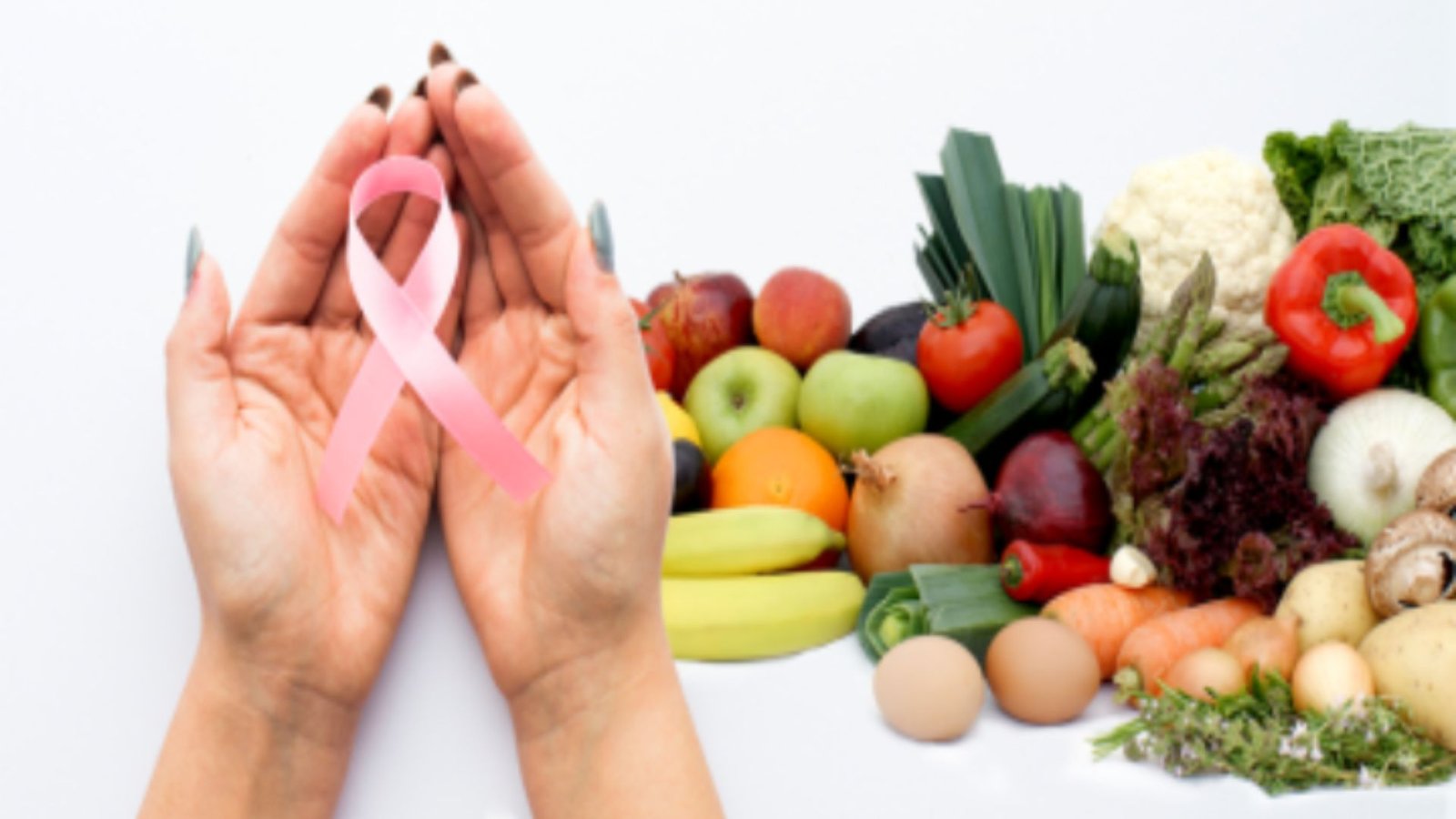
In the meantime, experts recommend focusing on a balanced dietary pattern that includes a variety of nutrient-rich foods, such as fruits, vegetables, whole grains, and lean protein sources. Limiting processed foods, sugary drinks, and excessive amounts of unhealthy fats may also help reduce the risk of developing cancer and other chronic diseases.
The ongoing research emphasizes the need for further investigation into the complex relationship between diet and cancer, and it highlights the importance of making informed dietary choices to promote overall health and well-being.
Image Source: Google | Image Credit: Respective Owner