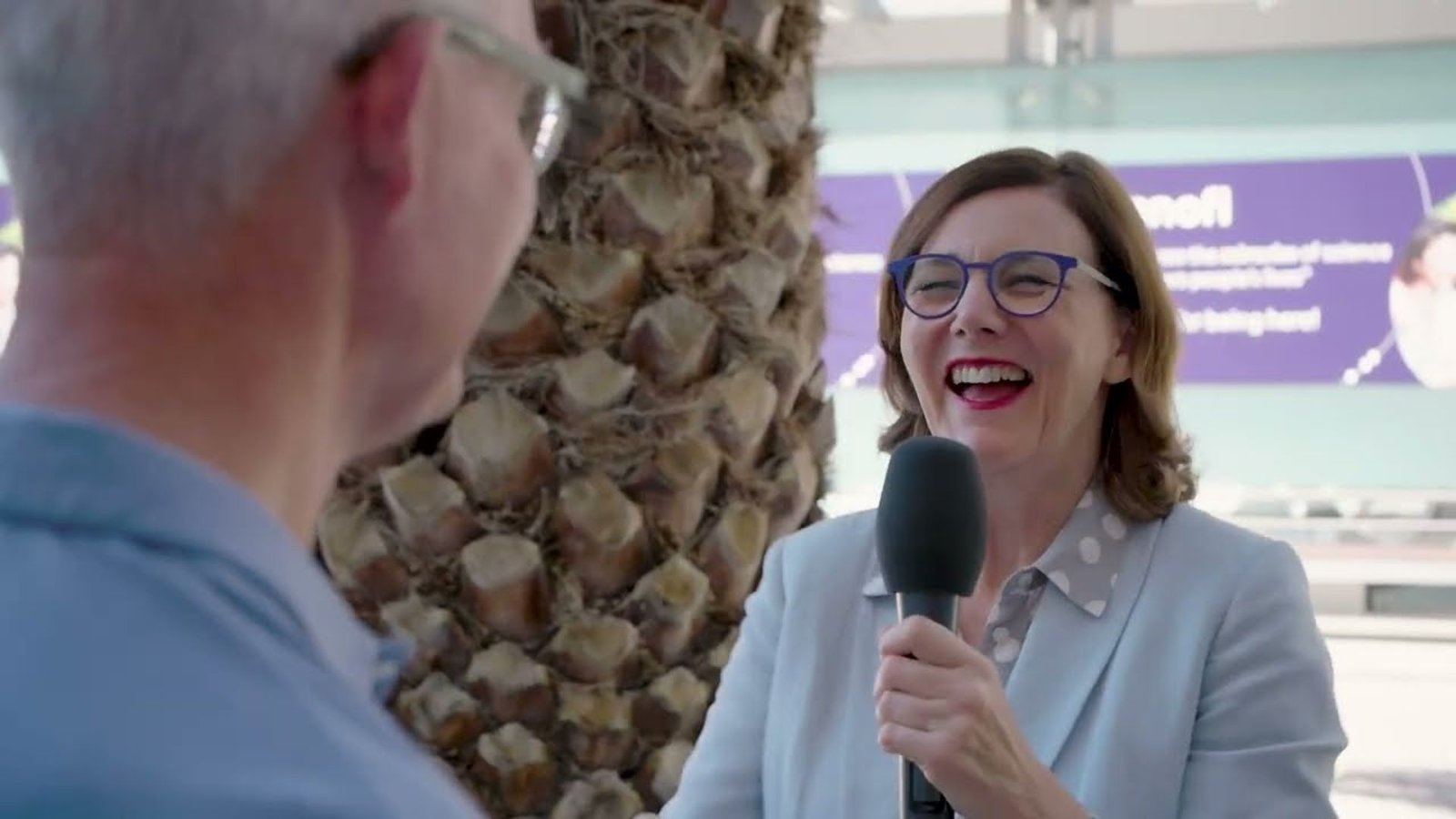
The European Association for the Study of Diabetes (EASD) annual meeting is a key event for diabetes researchers and healthcare professionals. Ahead of the 2025 meeting, Hindrik Mulder, a prominent figure in diabetes research, shared his insights on the current state and future directions of the field. Mulder’s work focuses on the molecular mechanisms underlying insulin secretion and action, with a particular emphasis on pancreatic beta cells.
Mulder highlighted several exciting advancements in diabetes research. He noted the significant progress in understanding the genetic and environmental factors that contribute to the development of type 1 and type 2 diabetes. Large-scale genome-wide association studies (GWAS) have identified numerous genetic variants associated with increased risk, providing valuable targets for further investigation. Moreover, advances in single-cell sequencing technologies have enabled researchers to characterize the heterogeneity of pancreatic islet cells, revealing new insights into beta cell function and dysfunction.
Emerging Therapies and Technologies
The interview also touched on emerging therapies and technologies for diabetes management. Mulder emphasized the importance of precision medicine approaches, tailoring treatment strategies to individual patient characteristics. He discussed the potential of novel insulin analogs and glucose-lowering medications, such as GLP-1 receptor agonists and SGLT2 inhibitors, to improve glycemic control and reduce cardiovascular risk. Furthermore, he highlighted the ongoing efforts to develop artificial pancreas systems, which automate insulin delivery based on continuous glucose monitoring, offering a more convenient and effective way to manage type 1 diabetes.
Mulder also addressed the challenges facing the diabetes research community. He stressed the need for more effective strategies to prevent the onset of type 2 diabetes, particularly in individuals at high risk. He also emphasized the importance of addressing health disparities in diabetes care, ensuring that all patients have access to the latest advances in treatment and prevention. He called for increased collaboration between researchers, clinicians, and policymakers to translate scientific discoveries into real-world improvements in patient outcomes.
Future Directions
Looking ahead to EASD 2025, Mulder expressed his excitement about the opportunity to share and discuss the latest research findings with colleagues from around the world. He anticipates that the meeting will showcase cutting-edge research on topics such as beta cell regeneration, immunotherapies for type 1 diabetes, and novel approaches to prevent and treat diabetic complications. He also hopes that the meeting will foster new collaborations and accelerate progress towards a cure for diabetes. Mulder believes that the EASD annual meeting plays a crucial role in advancing the field of diabetes research and improving the lives of people with diabetes.
The interview concluded with Mulder’s optimistic outlook on the future of diabetes research. He believes that continued investment in research, coupled with innovative technologies and collaborative efforts, will lead to significant breakthroughs in the years to come. He expressed his commitment to mentoring the next generation of diabetes researchers and fostering a collaborative environment that promotes innovation and discovery.
Image Source: Google | Image Credit: Respective Owner