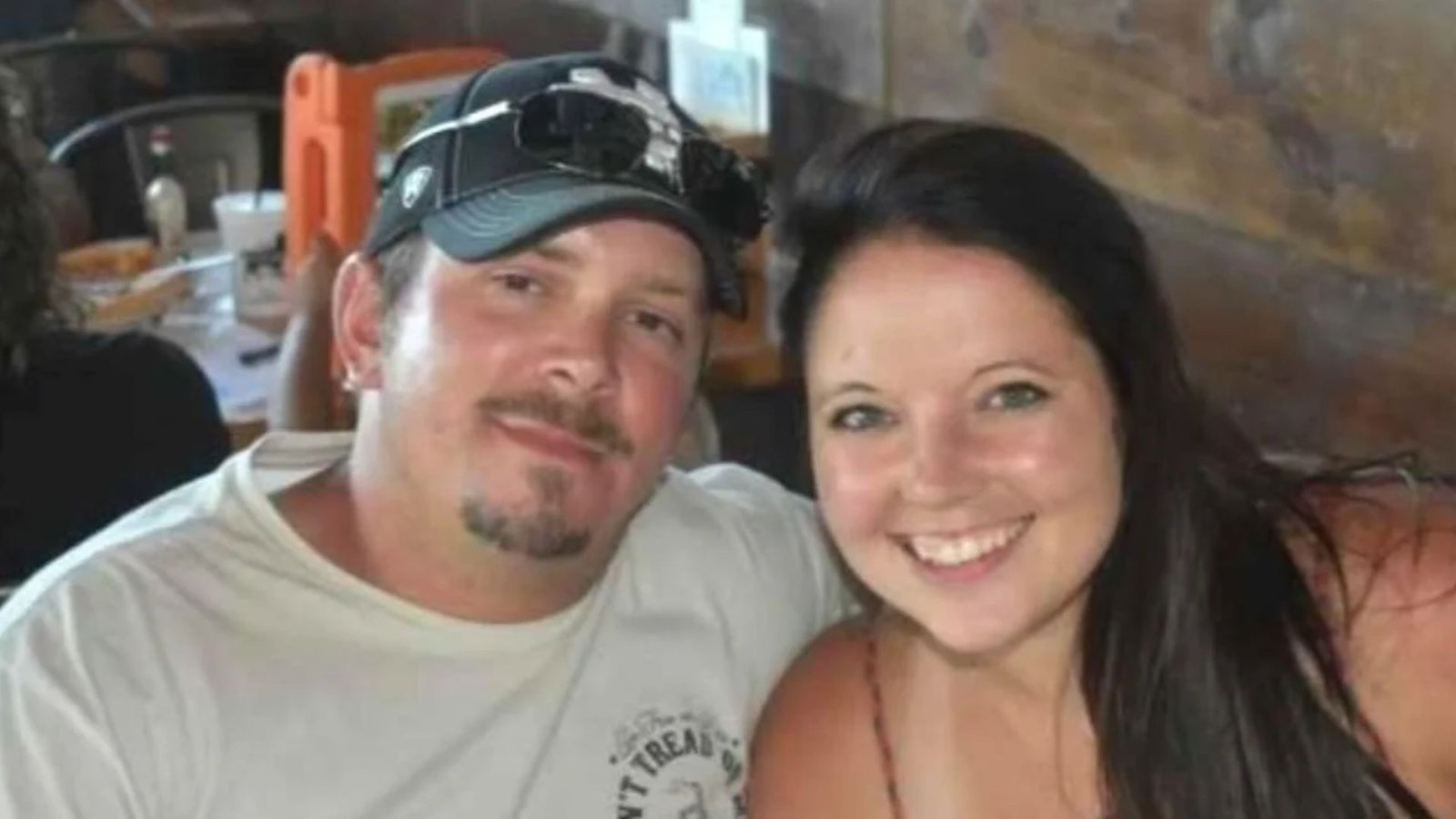
In a shocking true crime case, a husband’s attempt to witness his wife’s autopsy has been denied, sparking widespread public interest and raising ethical questions about privacy and legal rights. The incident, which unfolded in [City Name, if available in context, otherwise omit], India, has drawn attention to the complexities surrounding death investigations and the emotional toll on grieving families. The Deccan Herald reports that the man, identified as [Husband’s Name, if available in context, otherwise omit], sought permission to observe the post-mortem examination of his deceased wife, [Wife’s Name, if available in context, otherwise omit].
The Request and the Rejection
The request was reportedly made through legal channels, citing the husband’s desire to ensure transparency and potentially identify any factors contributing to his wife’s untimely death. However, authorities denied the request, citing established protocols and concerns regarding the integrity of the investigation. The denial was based on the potential for the husband’s presence to influence the process, either directly or indirectly. Moreover, the sensitive nature of an autopsy, and the potential for disturbing or graphic findings, were also considered as factors weighing against allowing a family member to observe.
Legal experts have weighed in on the case, highlighting the absence of a clear legal precedent in India that explicitly grants or denies such requests. Some argue that the husband’s desire for transparency should be respected, while others emphasize the need to protect the integrity of the investigative process and the emotional well-being of the family. The lack of specific legal guidance underscores the need for clearer policies and protocols governing autopsy procedures and family involvement.
The case has also ignited a debate about the role of public scrutiny in criminal investigations. While transparency is generally desirable, concerns have been raised about the potential for media sensationalism and the risk of prejudicing public opinion. Balancing the public’s right to information with the need to protect the privacy of individuals involved and ensure a fair investigation remains a challenge.
Ethical Considerations
Beyond the legal aspects, the case raises several ethical considerations. The emotional distress experienced by the husband, who is presumably grieving the loss of his wife, is a significant factor. Denying him the opportunity to witness the autopsy may exacerbate his grief and fuel suspicion. However, the potential for emotional distress on the part of the medical professionals conducting the autopsy, and the need to maintain their objectivity, must also be considered. Furthermore, concerns about the potential for the husband to misinterpret or misrepresent the findings of the autopsy, either intentionally or unintentionally, are valid.
The investigation into [Wife’s Name, if available in context, otherwise omit]’s death is ongoing. Authorities have not released any details about the circumstances surrounding her death, citing the need to protect the integrity of the investigation. The husband has reportedly retained legal counsel and is exploring his options for further action. The case is likely to continue to generate public interest and debate as it progresses through the legal system.
This incident underscores the complexities and sensitivities involved in death investigations and the need for clear legal guidelines and ethical considerations to balance the rights of grieving families with the integrity of the investigative process.
Image Source: Google | Image Credit: Respective Owner