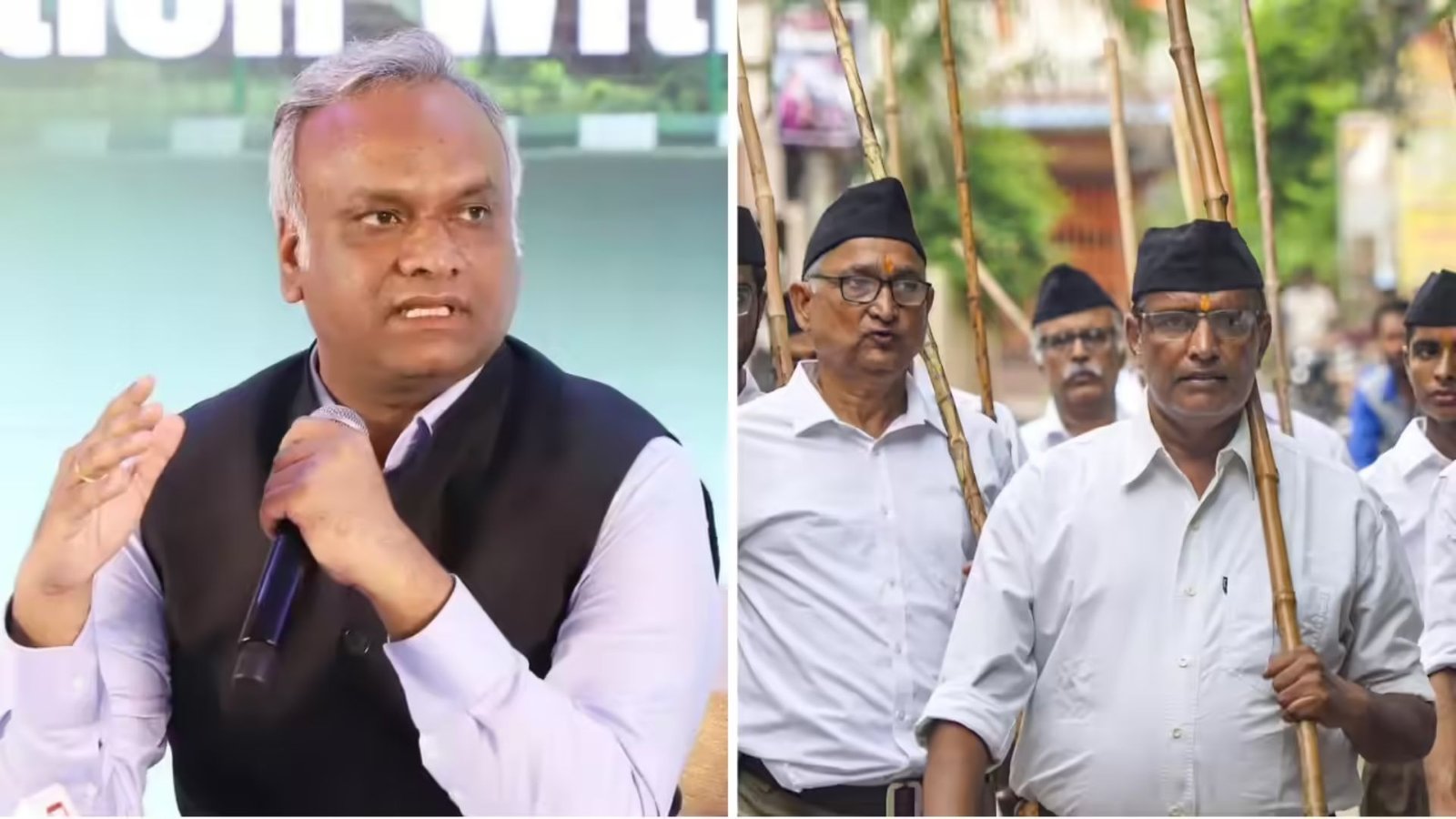
Karnataka Minister Priyank Kharge has reported receiving threat calls and abuses for questioning the Rashtriya Swayamsevak Sangh (RSS). Kharge, the Minister for Rural Development and Panchayat Raj, stated that he is “neither shaken nor surprised” by the threats, indicating a level of resilience in the face of such intimidation. The threats appear to stem from his critical stance on the RSS, a Hindu nationalist organization that holds significant influence in Indian society and politics.
The minister’s office has not released specific details regarding the nature of the threats or the individuals responsible. However, Kharge’s public statements suggest that the threats are linked to his questioning of the RSS ideology and its impact on social harmony and secular values. This incident highlights the charged political climate in India, where criticism of certain organizations and ideologies can lead to backlash and intimidation.
Political Reactions
News of the threats against Kharge has elicited varied reactions from political circles. Supporters of the Congress party, to which Kharge belongs, have condemned the threats and called for a thorough investigation to bring the culprits to justice. Opposition parties, particularly those aligned with the RSS ideology, have remained largely silent on the matter. This incident underscores the deep-seated ideological divisions within Indian politics.
Kharge’s decision to publicly acknowledge the threats is seen by many as a courageous act, intended to draw attention to the issue of intolerance and the suppression of dissenting voices. By refusing to be intimidated, he is sending a message that he will not be silenced in his criticism of the RSS and its policies. The Karnataka government is expected to provide security and protection to Kharge, given the potential risk to his safety.
Implications for Free Speech
The incident also raises concerns about the state of free speech and expression in India. Critics argue that the rise of intolerance and the prevalence of online harassment are creating a chilling effect on dissent and independent thought. The threats against Kharge are seen as a symptom of this broader trend, where individuals who dare to challenge dominant narratives are often targeted and intimidated. Human rights organizations and civil society groups have called for greater protection of free speech and expression, emphasizing the importance of safeguarding democratic values.
The Karnataka government’s response to this incident will be closely watched, as it sets a precedent for how such threats against public figures are handled in the future. A swift and decisive investigation, coupled with strong condemnation of the threats, could send a message that such behavior will not be tolerated. Conversely, a weak or indifferent response could embolden those who seek to silence dissenting voices and undermine democratic principles.
Image Source: Google | Image Credit: Respective Owner