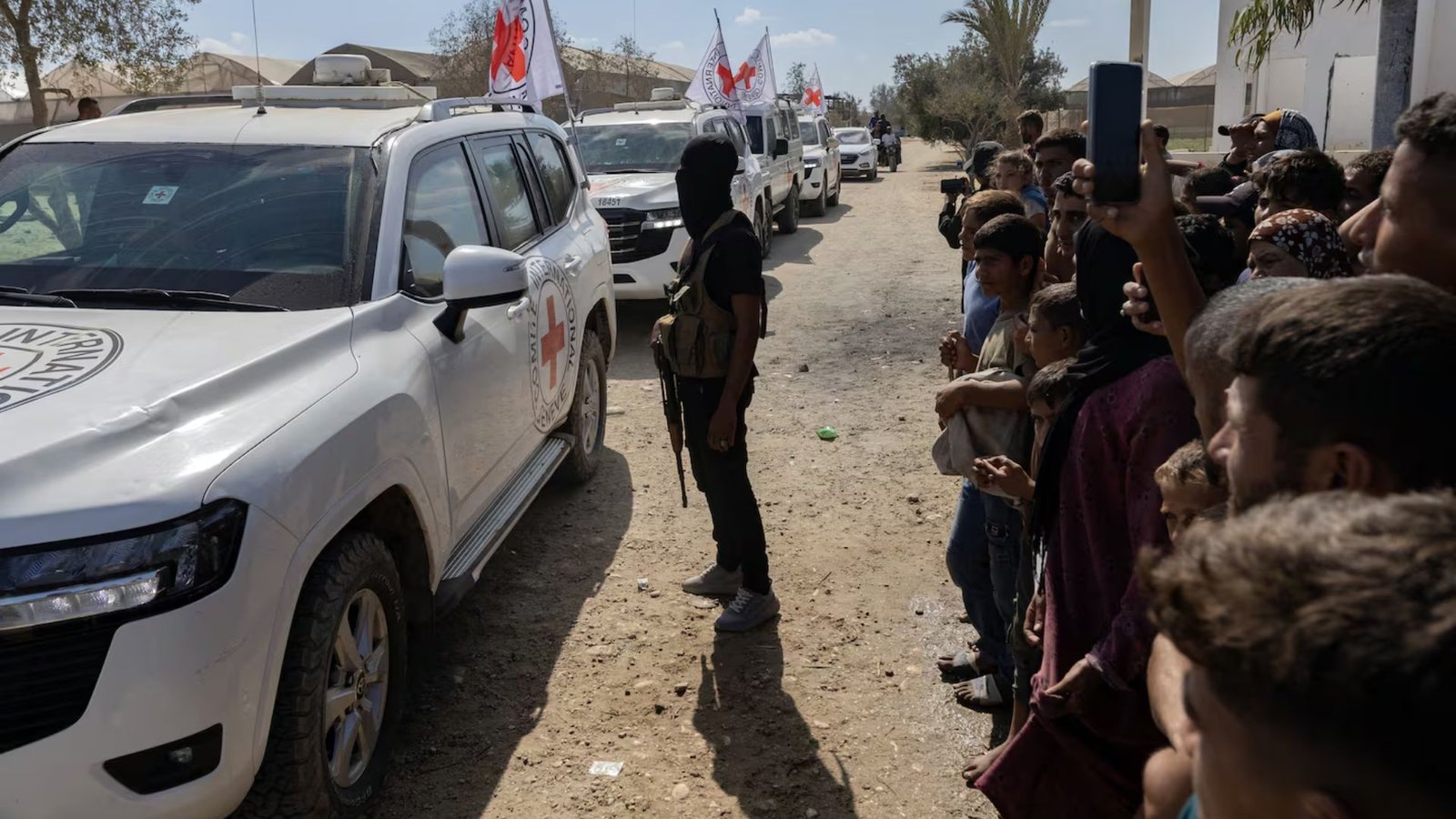
Israel has announced the recovery of the remains of four more deceased hostages held in Gaza, as concerns mount over potential cuts to aid for the region. The Israel Defense Forces (IDF) confirmed the retrieval operation, adding a somber chapter to the ongoing conflict and hostage crisis. The identities of the deceased have not been immediately released, pending notification of their families. This discovery brings the total number of recovered hostage remains to a yet unspecified but significant figure, underscoring the urgency of the situation for families and the Israeli government alike.
The announcement coincides with growing international pressure on Israel to ensure the continuous flow of humanitarian aid into Gaza. Several nations and international organizations have voiced concerns about the potential impact of aid reductions on the already dire humanitarian situation in the territory. The looming cuts have sparked widespread condemnation from human rights groups and aid agencies, who warn of catastrophic consequences for the civilian population, particularly women and children.
International Response
The United Nations has issued a statement urging all parties to prioritize the well-being of civilians and ensure unhindered access for humanitarian assistance. The UN’s special envoy for the Middle East peace process reiterated the organization’s commitment to supporting the Palestinian people and working towards a lasting resolution to the conflict. Several European countries have also expressed their concerns directly to the Israeli government, emphasizing the importance of maintaining aid levels to prevent further suffering.
The debate over aid to Gaza is further complicated by allegations of misuse of funds and resources by Hamas, the militant group that controls the territory. Israel has repeatedly accused Hamas of diverting aid intended for civilians to military purposes, a charge Hamas denies. These accusations have fueled calls within Israel and among some international actors for stricter monitoring and control over the distribution of aid.
Impact on Gaza
The potential reduction in aid comes at a time when Gaza is already grappling with severe shortages of food, water, and medical supplies. Years of conflict and blockade have left the territory’s infrastructure in ruins, and the humanitarian situation has deteriorated significantly in recent months. Hospitals are overwhelmed, and access to clean water is limited. The aid cuts will inevitably exacerbate these challenges, pushing the population closer to the brink of starvation and disease. Humanitarian organizations are scrambling to find alternative sources of funding and support, but they acknowledge that it will be difficult to fill the gap left by reduced international assistance. The situation remains highly volatile, with the potential for further escalation and a deepening of the humanitarian crisis.
The recovery of the hostages’ remains adds another layer of complexity to an already fraught situation, underscoring the human cost of the conflict and the urgent need for a peaceful resolution. The intertwined issues of hostage recovery, humanitarian aid, and regional security continue to dominate the international agenda, with no easy solutions in sight.
Image Source: Google | Image Credit: Respective Owner