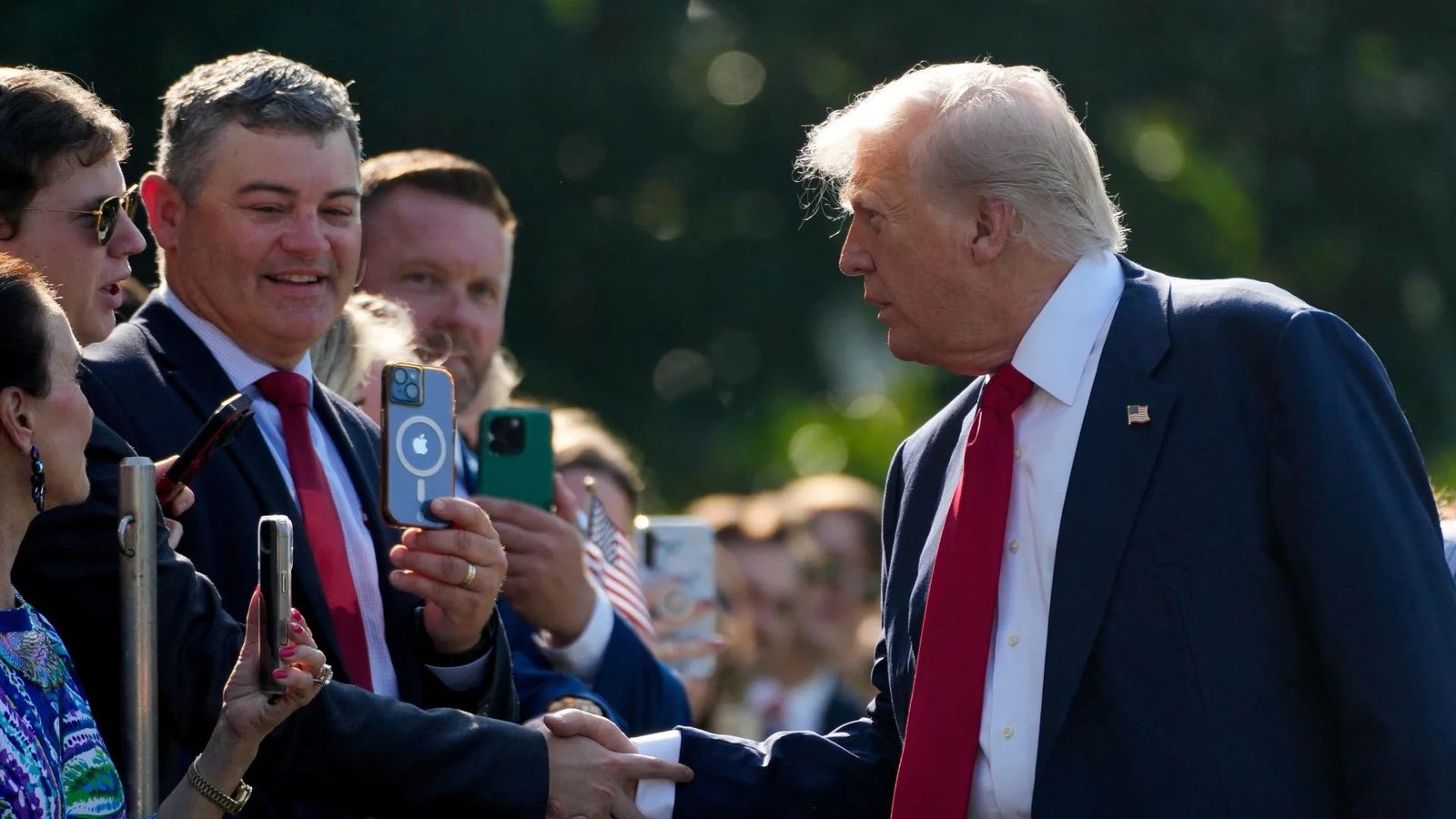
Former U.S. President Donald Trump has expressed optimism regarding the ceasefire between Israel and Hamas, stating that he believes the truce “is going to hold up.” The ceasefire, brokered following days of intense conflict, aims to halt the exchange of hostilities between the two sides and prevent further escalation in the region. The situation remains fragile, with international observers closely monitoring the adherence to the agreement.
International Reaction
The international community has largely welcomed the ceasefire, with many countries and organizations urging both Israel and Hamas to fully respect the terms of the agreement. The United Nations has reiterated its commitment to supporting efforts to achieve a lasting peace and stability in the region. Several nations have also pledged humanitarian aid to address the needs of the affected populations in Gaza.
The recent conflict resulted in significant casualties and widespread destruction, exacerbating the already dire humanitarian situation in the Gaza Strip. Efforts are underway to provide emergency assistance to those affected, including food, medical supplies, and shelter. The international community faces the challenge of ensuring that aid reaches those who need it most, while also addressing the underlying causes of the conflict.
Political Implications
The ceasefire has significant political implications for both Israel and Hamas. For Israel, the truce provides a respite from the rocket attacks and allows the government to focus on addressing domestic challenges. However, the conflict has also highlighted the deep divisions within Israeli society and the ongoing need to find a lasting solution to the Israeli-Palestinian conflict. Hamas, on the other hand, has portrayed the conflict as a victory, demonstrating its ability to withstand Israeli military power. The group’s standing among Palestinians may have been bolstered, but it continues to face international isolation and pressure.
The role of regional actors, such as Egypt and Qatar, in mediating the ceasefire has also been highlighted. These countries have played a crucial role in facilitating communication between Israel and Hamas and in securing the agreement. Their involvement underscores the importance of regional diplomacy in resolving conflicts in the Middle East. The coming days and weeks will be critical in determining whether the ceasefire can be sustained and whether it can pave the way for a broader peace process. The underlying issues that fuel the conflict remain unresolved, and a comprehensive solution will require addressing the root causes of the Israeli-Palestinian dispute. Further diplomatic efforts will be needed to ensure a more durable peace in the region.
The United States, under the Biden administration, has reaffirmed its commitment to a two-state solution and has pledged to work with both sides to achieve a lasting peace. However, the path forward remains uncertain, and significant challenges lie ahead. The international community must remain engaged and committed to supporting efforts to de-escalate tensions and promote a peaceful resolution to the conflict.
Image Source: Google | Image Credit: Respective Owner