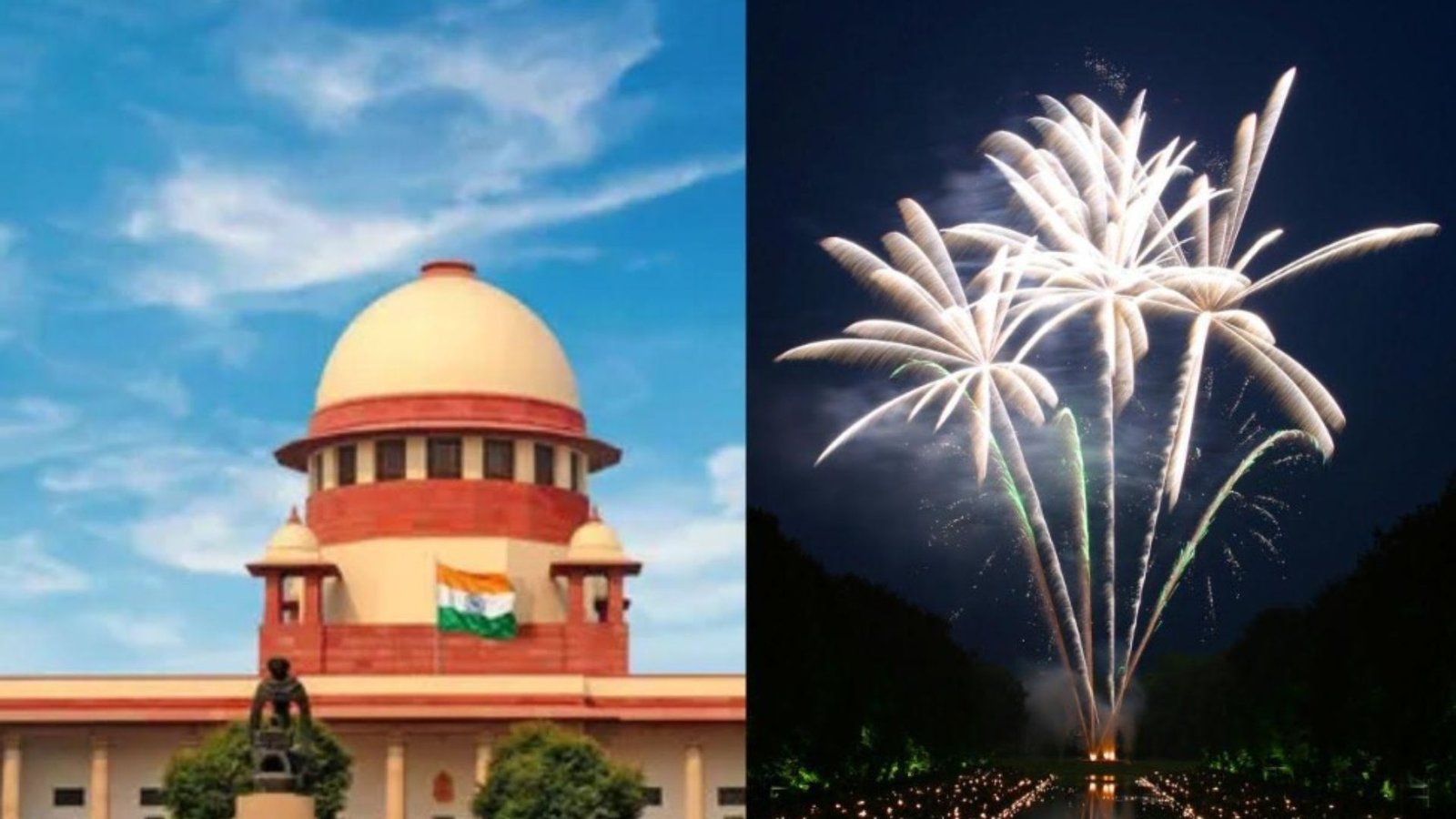
The Supreme Court has addressed the complex issue of firecracker use and sale during Diwali in Delhi-NCR, sparking a debate on balancing environmental concerns with cultural traditions. While a complete ban wasn’t explicitly mandated, the court outlined specific guidelines and considerations for potentially lifting existing restrictions.
Court’s Observations and Concerns
The court acknowledged the detrimental impact of air pollution, particularly during Diwali, on the health of Delhi-NCR residents. It emphasized the need to strike a balance between celebrating the festival and safeguarding public health. The bench expressed concerns about the enforcement of previous orders related to firecracker regulations, suggesting that authorities haven’t been sufficiently proactive in curbing illegal sales and usage.
A key aspect of the court’s deliberation revolved around the implementation of graded responses based on air quality levels. The court suggested that if air quality improves to acceptable levels, a temporary relaxation of the ban might be considered. However, this would be contingent on strict adherence to permissible firecracker types and designated timings.
Potential Lifting of the Ban: Conditions
Any potential lifting of the firecracker ban would be subject to stringent conditions. The court emphasized the importance of enforcing regulations regarding the types of firecrackers allowed, focusing on those with reduced emissions. Clear guidelines on permissible timings for bursting firecrackers would also be crucial to minimize the overall impact on air quality. The court stressed that authorities must ensure strict compliance with these regulations, holding violators accountable for any breaches.
The Supreme Court also underscored the need for greater public awareness regarding the harmful effects of air pollution and the importance of responsible celebration during Diwali. Educational campaigns could play a significant role in promoting the use of eco-friendly alternatives and encouraging adherence to regulations.
The court’s stance reflects a nuanced approach, acknowledging the cultural significance of Diwali while prioritizing the health and well-being of the population. The decision ultimately rests on the ability of authorities to effectively enforce regulations and the willingness of citizens to adopt responsible practices during the festive season. The situation remains dynamic, with the possibility of adjustments based on evolving air quality conditions and the effectiveness of implemented measures. The next few weeks will be crucial in determining the long-term impact of the court’s directives.
Image Source: Google | Image Credit: Respective Owner