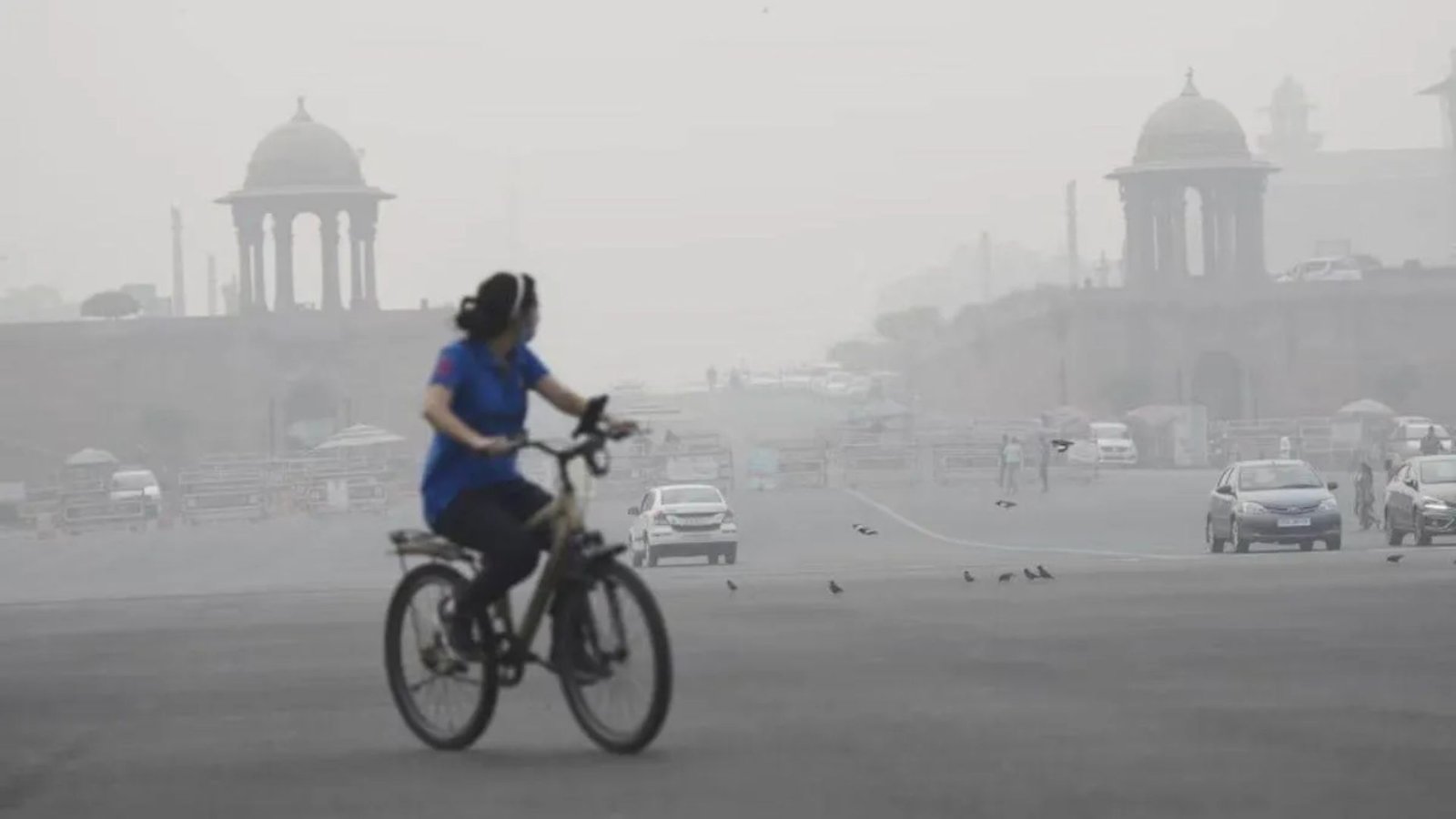
Alarming levels of mercury have been detected in the air in Delhi, raising serious concerns about potential health impacts, particularly on kidney function. Exposure to mercury, even at relatively low concentrations over extended periods, can lead to a range of adverse health effects, with the kidneys being particularly vulnerable due to their role in filtering toxins from the bloodstream. The Times of India reports that this environmental hazard poses a significant risk to the city’s residents, demanding immediate attention and mitigation strategies.
Sources of Mercury in Delhi’s Air
Mercury contamination in Delhi’s air can stem from various sources, including industrial emissions, waste incineration, and the burning of fossil fuels. Certain manufacturing processes, such as those involving chlorine production and artisanal gold mining (though less prevalent in Delhi itself), can release substantial amounts of mercury into the atmosphere. Improper disposal of mercury-containing products like batteries and fluorescent lamps also contributes to the problem. Furthermore, coal-fired power plants, a significant energy source in the region, are known to emit mercury when coal is burned.
Impact on Kidneys
The kidneys are highly susceptible to mercury toxicity because they are responsible for filtering waste products and toxins from the blood. When mercury enters the body through inhalation or ingestion, it is absorbed into the bloodstream and transported to the kidneys. Mercury can damage the delicate structures within the kidneys, including the glomeruli and tubules, which are essential for proper filtration and reabsorption of nutrients and water. This damage can lead to a decline in kidney function, potentially resulting in chronic kidney disease (CKD) or even kidney failure in severe cases. Early symptoms of mercury-induced kidney damage may include proteinuria (protein in the urine), hematuria (blood in the urine), and decreased urine output.
Vulnerable Populations
Certain populations are more vulnerable to the adverse effects of mercury exposure, including children, pregnant women, and individuals with pre-existing kidney conditions. Children’s developing kidneys are more sensitive to the toxic effects of mercury. Pregnant women are also at higher risk because mercury can cross the placenta and harm the developing fetus, potentially leading to neurological problems and other health issues. Individuals with existing kidney disease are more likely to experience a faster decline in kidney function upon exposure to mercury.
Protective Measures and Mitigation Strategies
Reducing exposure to mercury requires a multi-pronged approach. Stricter regulations on industrial emissions and waste management are crucial to minimizing the release of mercury into the environment. Promoting the use of cleaner energy sources, such as renewable energy, can help reduce mercury emissions from coal-fired power plants. Public awareness campaigns are essential to educate people about the risks of mercury exposure and how to minimize their exposure. Simple measures such as wearing masks in highly polluted areas and ensuring proper ventilation in homes and workplaces can help reduce inhalation of mercury-contaminated air. Individuals should also avoid burning waste and ensure proper disposal of mercury-containing products. Regular monitoring of air quality and biomonitoring of vulnerable populations can help track the extent of mercury contamination and identify individuals at risk. Early detection and intervention are crucial for preventing long-term health consequences.
Image Source: Google | Image Credit: Respective Owner