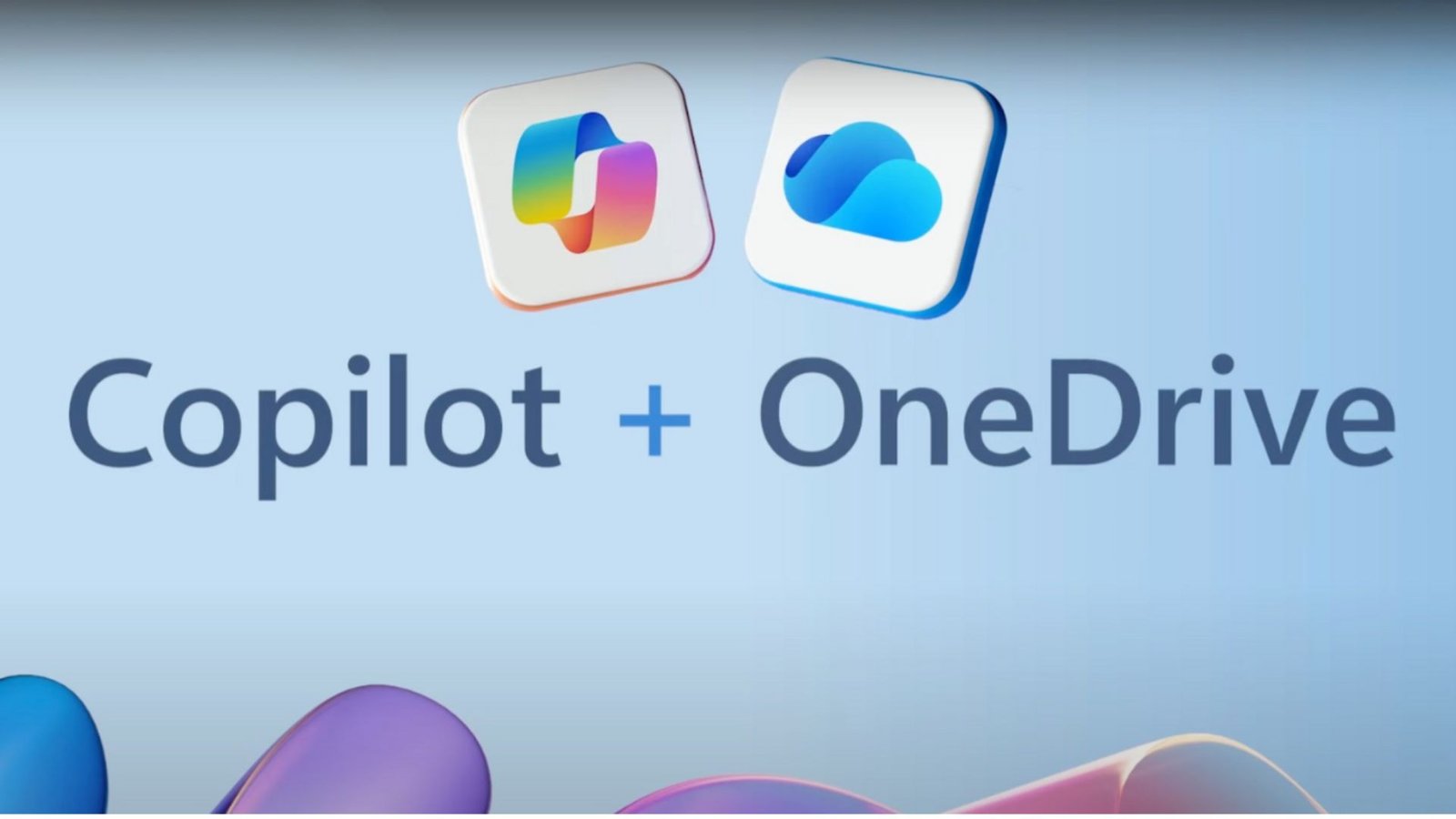
Microsoft has expanded the capabilities of its Copilot AI assistant, enabling it to connect with a wider range of third-party services, including Gmail, Google Drive, and OneDrive. This integration allows users to leverage Copilot’s AI-powered features across these popular platforms, streamlining workflows and enhancing productivity. The move signifies Microsoft’s commitment to providing a versatile and interconnected AI experience for its users, regardless of their preferred ecosystem of tools.
Copilot’s integration with Gmail allows users to draft emails, summarize lengthy threads, and schedule meetings directly from the AI assistant’s interface. This can save significant time and effort for busy professionals who rely heavily on email communication. Similarly, the connection to Google Drive and OneDrive enables Copilot to access, organize, and summarize documents and files stored in the cloud. Users can quickly find the information they need, regardless of where it is stored, and use Copilot to generate summaries and insights.
Enhanced Productivity and Collaboration
The expanded connectivity of Microsoft Copilot is poised to enhance productivity and collaboration across various industries and workflows. By integrating with commonly used services like Gmail, Google Drive, and OneDrive, Copilot becomes a more versatile tool that can adapt to users’ existing workflows. This eliminates the need to switch between multiple applications and allows users to focus on their tasks without distractions.
For example, a marketing team can use Copilot to analyze customer feedback from Gmail, access campaign assets stored in Google Drive, and generate reports summarizing key performance indicators. A sales team can use Copilot to draft personalized emails to potential clients, access product information stored in OneDrive, and schedule follow-up meetings. The possibilities are endless, and the potential benefits are significant.
Microsoft’s decision to open up Copilot to third-party services reflects a growing trend in the tech industry towards interoperability and collaboration. By allowing its AI assistant to connect with other platforms, Microsoft is making it easier for users to integrate Copilot into their existing workflows and maximize its value. This approach is likely to resonate with users who are looking for AI solutions that are flexible, adaptable, and easy to use.
The integration is currently rolling out to users of Microsoft 365 Copilot. Microsoft plans to continue expanding Copilot’s connectivity to other services in the future, further enhancing its capabilities and value proposition. As AI continues to evolve, integrations like these will play a crucial role in helping users harness the power of AI to improve their productivity, creativity, and overall work experience. This advancement marks a significant step forward in the evolution of AI-powered productivity tools.
In addition to productivity gains, the integration also has the potential to improve collaboration. By allowing users to easily share information and insights across different platforms, Copilot can help teams work together more effectively. This can lead to better decision-making, faster project completion, and improved overall outcomes. The ability to seamlessly connect with and utilize data from diverse sources represents a major leap forward for AI-driven collaboration.
Image Source: Google | Image Credit: Respective Owner