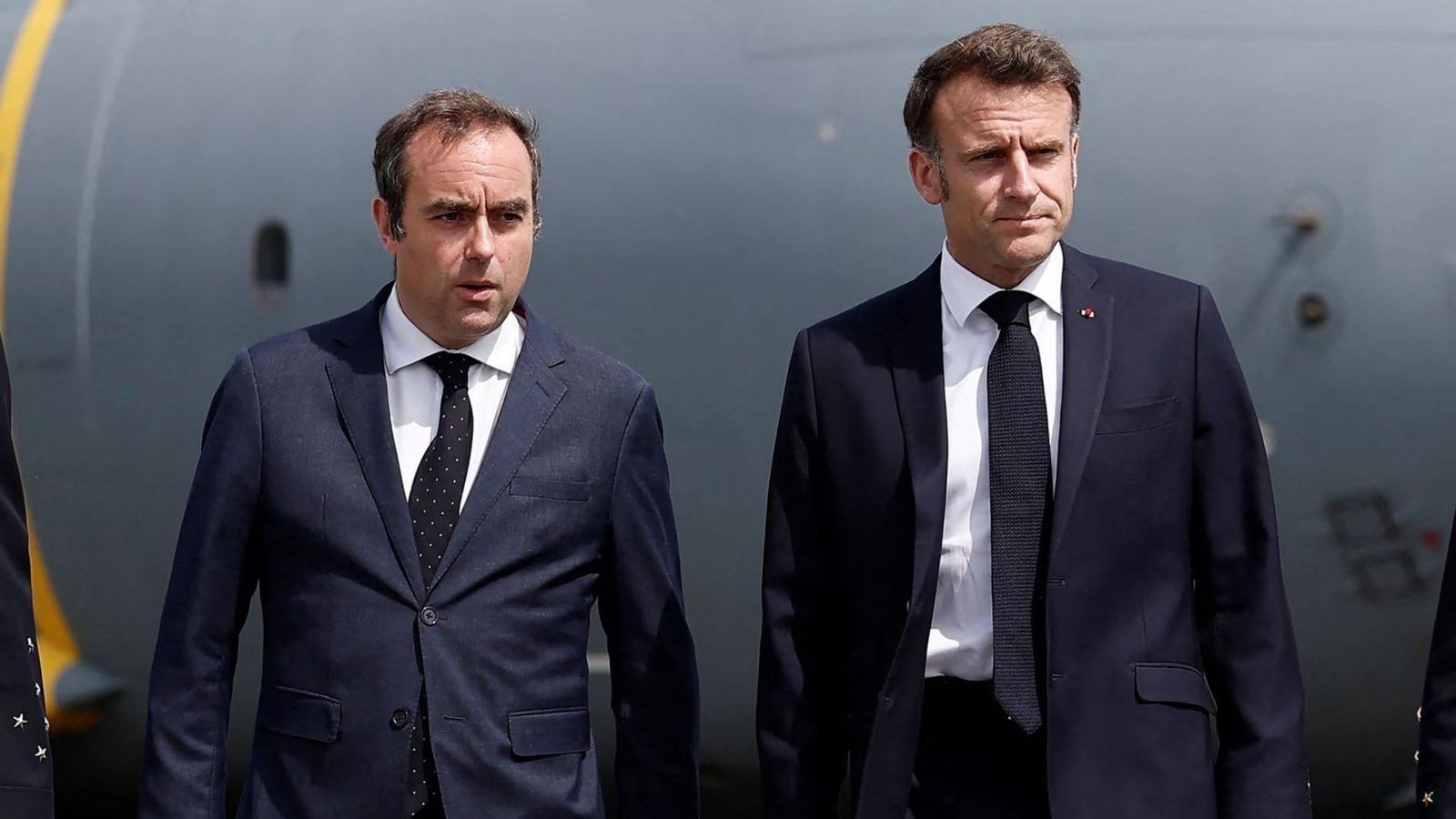
French President Emmanuel Macron’s decision to reappoint Sébastien Lecornu as Prime Minister has been met with strong criticism, labeled a ‘bad joke’ by some political observers. The move comes amid ongoing political tensions and a need for strong leadership to address pressing domestic and international challenges. Lecornu’s reappointment signals a continuation of Macron’s policies, but it remains to be seen whether he can unite the country and effectively govern.
Reactions to the Reappointment
The reaction to Lecornu’s reappointment has been largely negative, with opposition parties expressing disappointment and concern. Critics argue that Lecornu lacks the vision and experience necessary to lead France through its current difficulties. Some have accused Macron of prioritizing loyalty over competence in his choice of Prime Minister. The backlash reflects a broader dissatisfaction with the current political climate in France and a desire for fresh leadership.
Marine Le Pen, leader of the National Rally, denounced the reappointment as a sign that Macron is out of touch with the concerns of ordinary citizens. She argued that Lecornu’s track record demonstrates his inability to address key issues such as unemployment and immigration. Other opposition figures echoed these sentiments, calling for a change in direction and a government that is more responsive to the needs of the French people.
Macron’s Rationale
Despite the criticism, Macron has defended his decision to reappoint Lecornu, citing his experience and commitment to the country. Macron likely sees Lecornu as a reliable ally who can implement his policies effectively. However, the move risks further alienating voters who are already disillusioned with the political establishment. Macron faces a difficult task in convincing the public that Lecornu is the right person to lead France forward.
The appointment comes at a crucial time for France, as the country grapples with economic challenges, social divisions, and security threats. The new Prime Minister will need to address these issues quickly and decisively to restore public confidence and maintain stability. Lecornu’s success will depend on his ability to build consensus, negotiate with different political factions, and effectively communicate his vision for the future.
Challenges Ahead
Lecornu faces a formidable set of challenges as he begins his new term. The French economy is struggling to recover from the effects of the COVID-19 pandemic, and unemployment remains a major concern. Social divisions are deepening, fueled by inequality, immigration, and cultural tensions. France is also facing a growing threat from terrorism and extremism. To effectively govern, Lecornu will need to address these issues with a combination of innovative policies, strong leadership, and effective communication.
Moreover, Lecornu will have to navigate a complex political landscape, marked by fragmentation and polarization. He will need to build bridges with opposition parties and civil society groups to achieve consensus on key issues. His ability to unite the country behind a common vision will be crucial to his success. The coming months will be a critical test for Lecornu and for the future of France.
Image Source: Google | Image Credit: Respective Owner