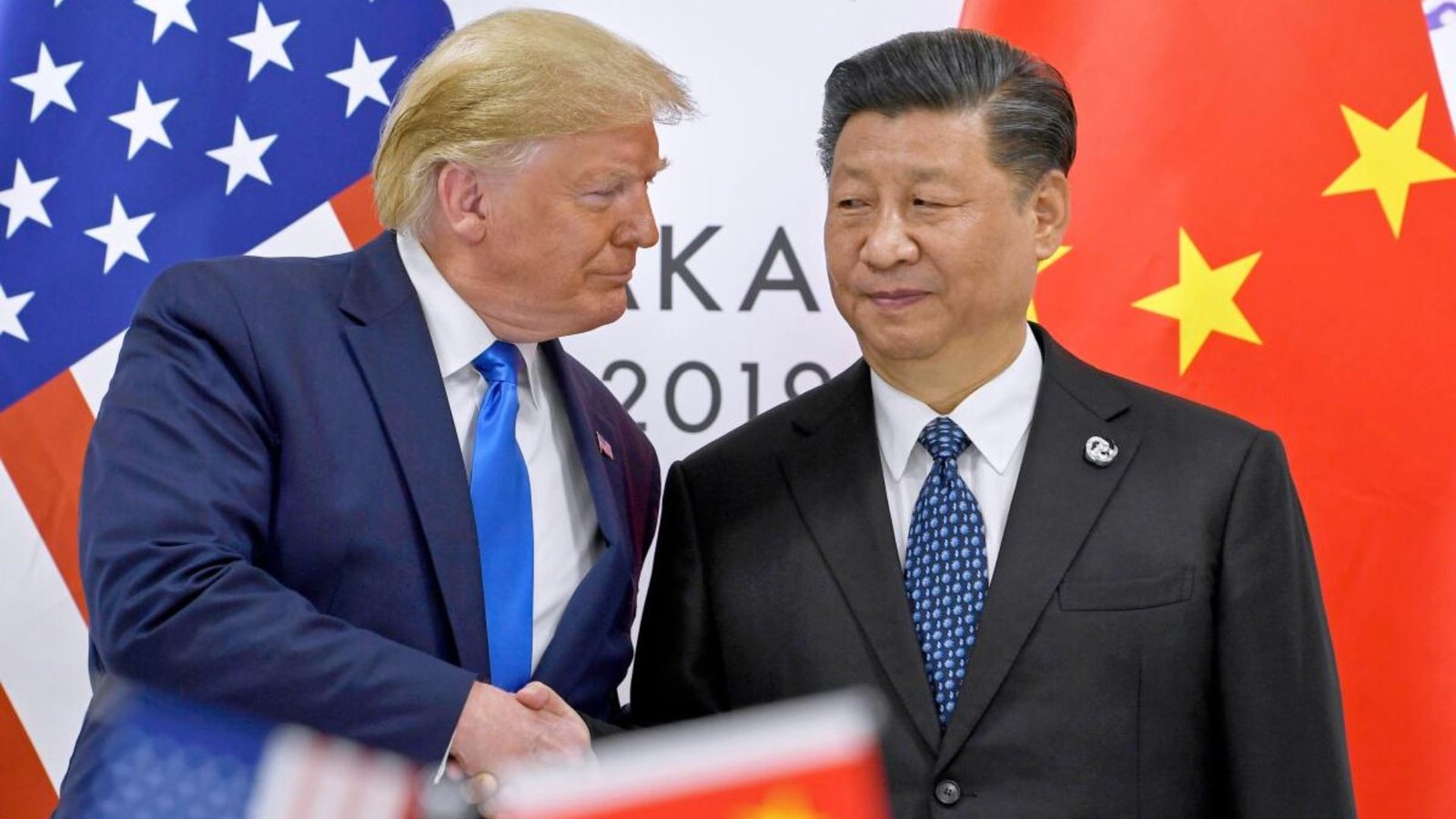
Former President Donald Trump has announced plans to impose a 100% tariff on Chinese goods should he be re-elected. He also intends to implement stricter export controls on technology, escalating trade tensions between the United States and China. Trump, speaking at a campaign rally, asserted that these measures are necessary to protect American industries and national security, citing concerns over China’s trade practices and intellectual property theft.
Economic Implications
The proposed tariffs could significantly impact the global economy, potentially leading to higher prices for consumers and disruptions in supply chains. Economists warn that such a drastic increase in tariffs could trigger retaliatory measures from China, resulting in a full-blown trade war. This could harm businesses on both sides, reduce economic growth, and increase uncertainty in financial markets. The technology sector, already facing supply chain challenges, could be particularly vulnerable to export restrictions, impacting the availability and cost of electronic devices and other tech products.
Trump’s Stance on China
Trump has consistently criticized China’s trade policies, accusing the country of unfair practices and currency manipulation. During his previous term, he implemented tariffs on billions of dollars worth of Chinese goods, leading to a protracted trade dispute. His latest announcement signals a continuation of this aggressive stance, indicating that trade relations with China could further deteriorate under his leadership. Trump’s campaign rhetoric often emphasizes the need to bring jobs back to America and reduce the country’s reliance on foreign manufacturing, particularly from China. He believes that stronger trade barriers and export controls are essential to achieve these goals.
Expert Opinions
Experts are divided on the potential effectiveness of Trump’s proposed policies. Some argue that tariffs can provide short-term protection for domestic industries, encouraging companies to invest in local production. However, others contend that tariffs ultimately harm consumers and businesses by raising prices and limiting choices. They also point out that export controls could stifle innovation and hinder the competitiveness of American companies in the global market. The long-term impact of these policies will depend on various factors, including the reaction of the Chinese government and the overall state of the global economy. It remains to be seen whether these measures will achieve their intended goals or lead to unintended consequences.
Political Context
Trump’s announcement comes amidst growing concerns about China’s economic and military power. Many politicians and policymakers in the United States view China as a strategic competitor and advocate for a tougher stance on trade and security issues. Trump’s proposals resonate with a segment of the American population that feels the country has been disadvantaged by globalization and unfair trade practices. However, they also face opposition from those who believe that cooperation and engagement with China are essential to addressing global challenges such as climate change and pandemics. The debate over trade and economic relations with China is likely to continue to be a major political issue in the coming years.
Image Source: Google | Image Credit: Respective Owner