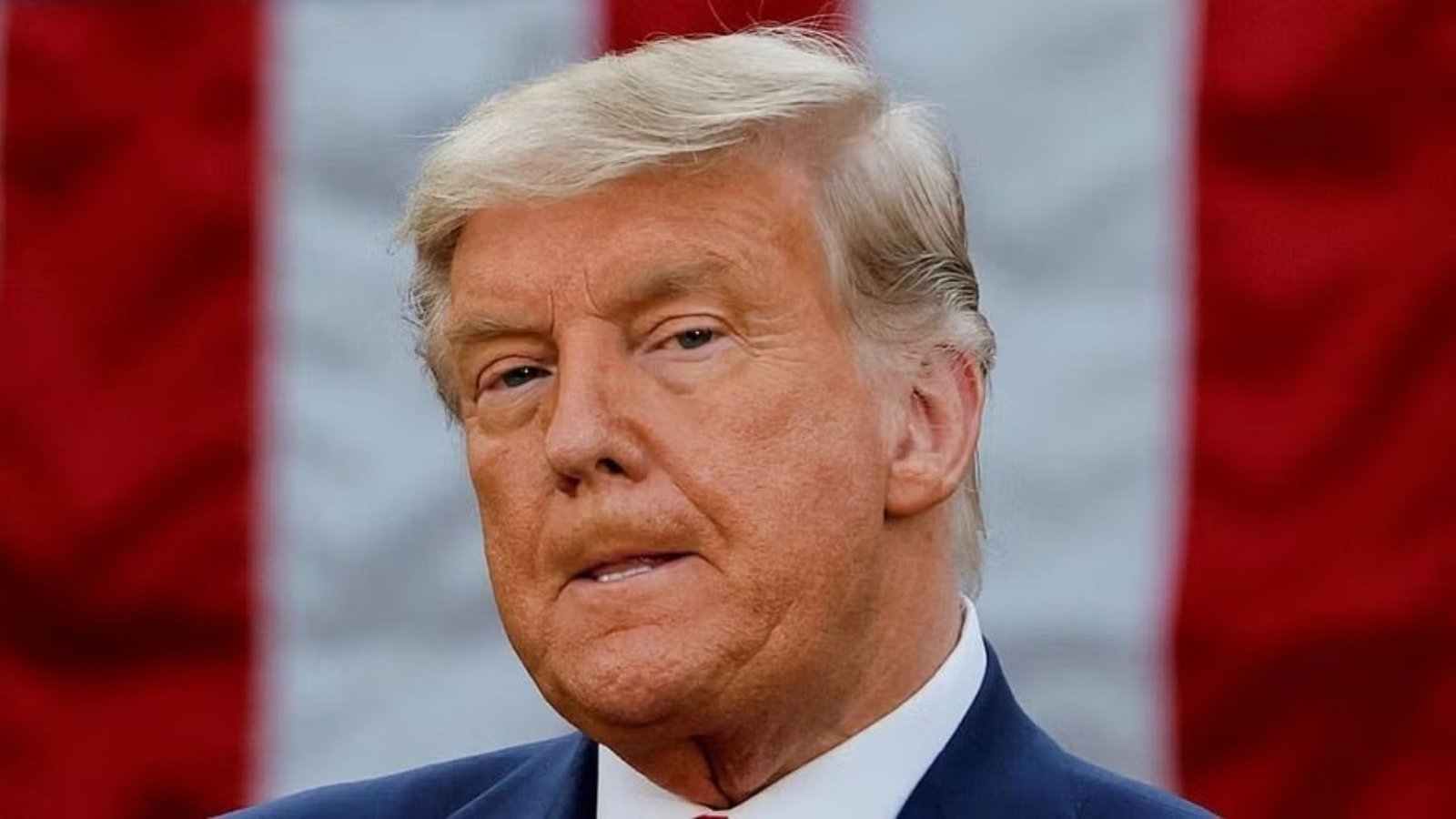
Former U.S. President Donald Trump’s health has once again come under scrutiny, with recent reports highlighting a surprisingly young cardiac age. According to his physicians, Trump’s heart health is akin to that of a 64-year-old, despite the former president being 77. This revelation has sparked considerable discussion among medical professionals and the public alike, raising questions about the accuracy and implications of such assessments.
Cardiac Age Assessment
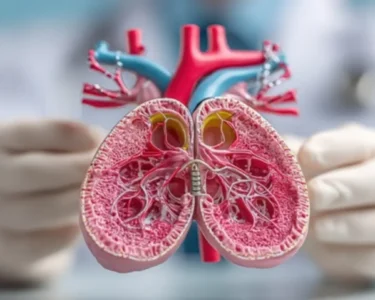
Cardiac age, also known as heart age, is an estimate of the age of a person’s cardiovascular system based on various risk factors. These factors typically include blood pressure, cholesterol levels, smoking habits, body mass index (BMI), and family history of heart disease. By evaluating these parameters, doctors can determine whether an individual’s heart is aging at a rate faster or slower than their chronological age.
In Trump’s case, the assessment reportedly indicates that his heart is performing at a level expected of someone significantly younger. This positive finding could be attributed to a combination of factors, including genetics, lifestyle choices, and medical interventions. However, it is important to note that cardiac age is just one measure of overall health and should be interpreted in conjunction with other clinical evaluations.
Implications and Considerations
While a younger cardiac age is generally considered a favorable indicator of cardiovascular health, it does not guarantee immunity from heart-related issues. It is crucial for individuals, regardless of their cardiac age, to maintain a healthy lifestyle through regular exercise, a balanced diet, and avoidance of harmful habits such as smoking. Moreover, regular check-ups with a healthcare provider are essential for monitoring overall health and detecting any potential problems early on.
The report on Trump’s cardiac age has also reignited debates about the transparency and accuracy of health information released by public figures. Experts emphasize the need for comprehensive and unbiased assessments to provide the public with a clear understanding of the health status of individuals in positions of power. This is particularly important given the potential impact of a leader’s health on their decision-making capabilities and overall performance.
Ultimately, the focus should remain on promoting healthy lifestyles and encouraging individuals to take proactive steps to protect their cardiovascular health. While metrics like cardiac age can offer valuable insights, they should not overshadow the importance of comprehensive medical care and individual responsibility in maintaining overall well-being. The discussion surrounding Trump’s health serves as a reminder of the critical role that health plays in all aspects of life, regardless of age or position.
Image Source: Google | Image Credit: Respective Owner