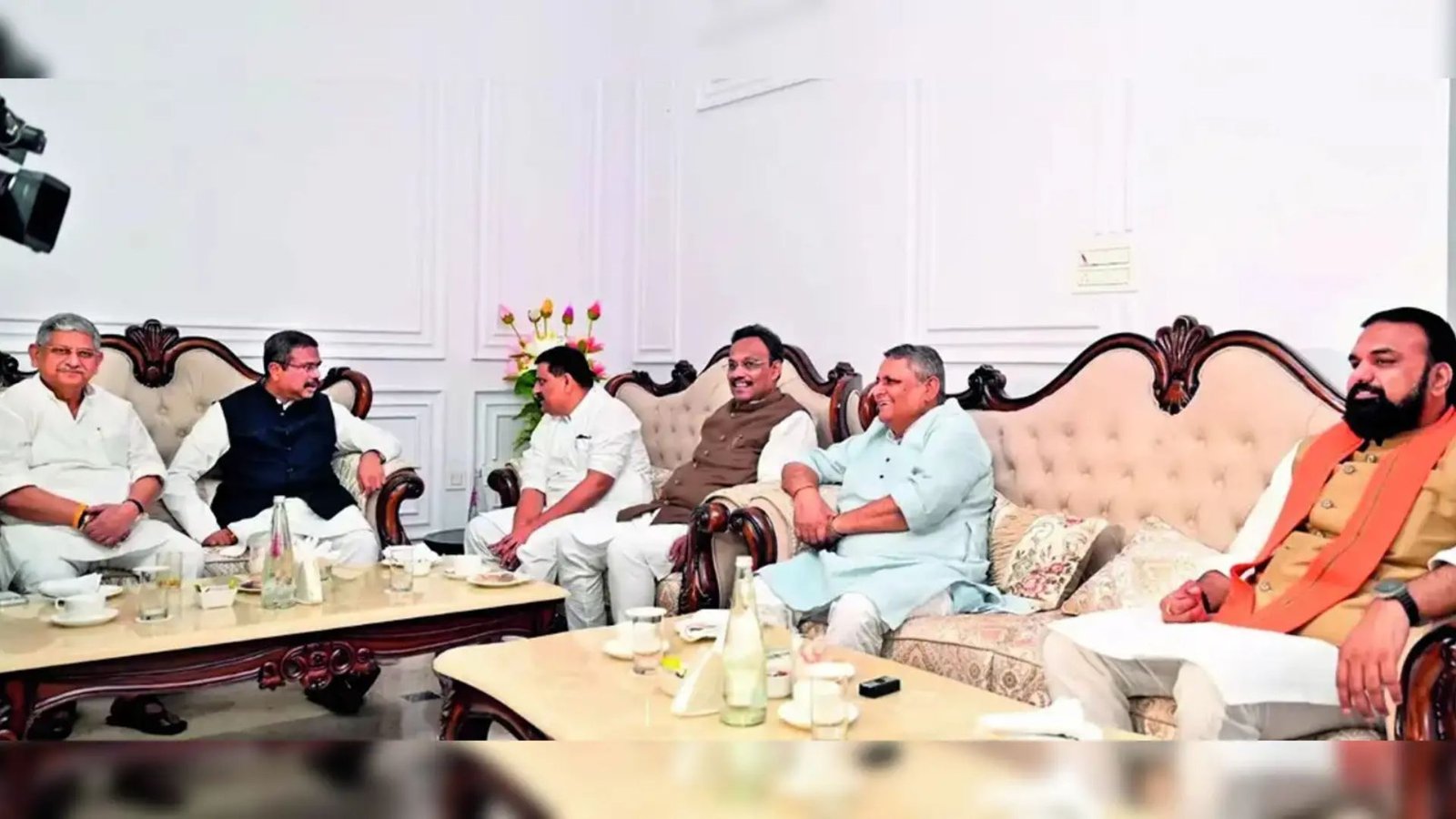
The National Democratic Alliance (NDA) has finalized its seat-sharing agreement for the upcoming elections, with key regional players securing their allocations. Chirag Paswan’s faction is set to contest 26 seats, while Jitan Ram Manjhi’s party will field candidates in 8 constituencies, and Upendra Kushwaha’s outfit will compete for 7 seats. This agreement marks a crucial step in solidifying the NDA’s position in the region and signals a united front ahead of the polls.
The negotiations leading to this deal were reportedly intense, with each party vying for a significant share of the electoral pie. The BJP, as the dominant partner in the NDA, played a pivotal role in mediating the discussions and ensuring a consensus that accommodates the aspirations of all alliance members. The seat-sharing arrangement is designed to maximize the NDA’s electoral prospects by leveraging the individual strengths and voter bases of each constituent party.
Key Players and Their Stakes
Chirag Paswan, who has been seeking a prominent role within the NDA, has secured a substantial number of seats for his party. This allocation reflects his political clout and the support he commands among certain segments of the electorate. Jitan Ram Manjhi, a veteran leader with a dedicated following, will also have a significant opportunity to influence the outcome in his constituencies. Upendra Kushwaha, another influential figure, will be aiming to consolidate his position and expand his party’s presence.
The BJP’s strategy in these seat-sharing negotiations has been to balance the demands of its allies while ensuring that its own interests are safeguarded. By accommodating the aspirations of regional parties, the BJP aims to project an image of inclusivity and strengthen its overall coalition. The successful conclusion of this deal underscores the BJP’s ability to manage complex political dynamics and maintain a cohesive alliance.
Implications for the Upcoming Elections
This seat-sharing agreement has significant implications for the upcoming elections. The united front presented by the NDA is expected to pose a formidable challenge to opposition parties. The NDA’s strategy involves leveraging the strengths of each constituent party to maximize its electoral gains. The BJP, with its vast organizational resources and widespread appeal, will play a crucial role in supporting the campaigns of its allies. The combined might of the NDA is anticipated to translate into a significant advantage on the ground.
The opposition parties, on the other hand, will need to devise a counter-strategy to effectively challenge the NDA’s dominance. This may involve forging alliances of their own and focusing on issues that resonate with the electorate. The political landscape is likely to witness intense competition and strategic maneuvering as the elections draw closer. The outcome of these elections will have far-reaching consequences for the region and the country as a whole.
Political analysts suggest that the NDA’s cohesive approach and strategic alliances give it a distinct advantage. The ability to accommodate diverse interests and present a united front is crucial in electoral politics. The successful conclusion of this seat-sharing agreement demonstrates the NDA’s commitment to working together and achieving a common goal.
Image Source: Google | Image Credit: Respective Owner