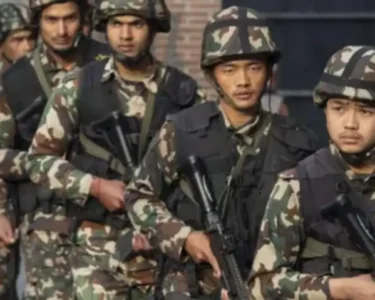
Tensions between Pakistan and Afghanistan have sharply escalated following reports of a cross-border airstrike conducted by Pakistan within Afghan territory. The alleged target of the strike was a commander belonging to the Tehrik-i-Taliban Pakistan (TTP), a militant group that has been a long-standing source of friction between the two nations. The incident has further strained already fragile relations, raising concerns about regional stability and the potential for increased cross-border conflict.
According to exclusive reports from News18, the airstrike specifically targeted a TTP leader believed to be residing in Kabul. Details surrounding the operation remain scarce, but the implications are significant. The Afghan government has yet to release an official statement, but sources suggest that the strike was carried out without prior coordination or notification, a move that is likely to be viewed as a violation of Afghan sovereignty.
Background of Tensions
The relationship between Pakistan and Afghanistan has been plagued by mutual accusations of harboring militant groups. Pakistan has long accused Afghanistan of providing safe haven to TTP fighters who launch attacks across the border. Afghanistan, in turn, has accused Pakistan of supporting the Taliban and other insurgent groups operating within its territory. These accusations have fueled mistrust and hindered efforts to establish effective counter-terrorism cooperation.
The TTP, also known as the Pakistani Taliban, has been responsible for numerous deadly attacks within Pakistan, targeting both security forces and civilians. Pakistan has repeatedly called on Afghanistan to take action against the group, but these calls have largely gone unheeded, leading to frustration and a sense of impunity on the part of Pakistani authorities.
Possible Repercussions
The cross-border airstrike is likely to have far-reaching consequences. It could trigger a diplomatic crisis between the two countries, further undermining efforts to improve bilateral relations. It could also embolden the TTP and other militant groups, potentially leading to an increase in cross-border attacks. Moreover, the incident could exacerbate existing ethnic and political tensions within Afghanistan, complicating the country’s already precarious security situation.
Analysts suggest that the airstrike reflects Pakistan’s growing impatience with Afghanistan’s perceived failure to address the TTP threat. It also underscores the limitations of Pakistan’s diplomatic efforts to persuade Afghanistan to take stronger action against the group. However, the use of military force carries significant risks, and it is unclear whether the potential benefits outweigh the potential costs.
The international community is likely to call for restraint and urge both sides to engage in dialogue to de-escalate tensions. However, the deep-seated mistrust and animosity between Pakistan and Afghanistan will make it difficult to find a peaceful resolution to the current crisis. The situation remains fluid, and the coming days and weeks will be crucial in determining the long-term impact of the airstrike on regional security and stability.
The incident highlights the complex and interconnected nature of the security challenges facing both Pakistan and Afghanistan. It underscores the need for a comprehensive and coordinated approach to counter-terrorism, one that addresses the root causes of militancy and promotes greater cooperation between the two countries.
Image Source: Google | Image Credit: Respective Owner