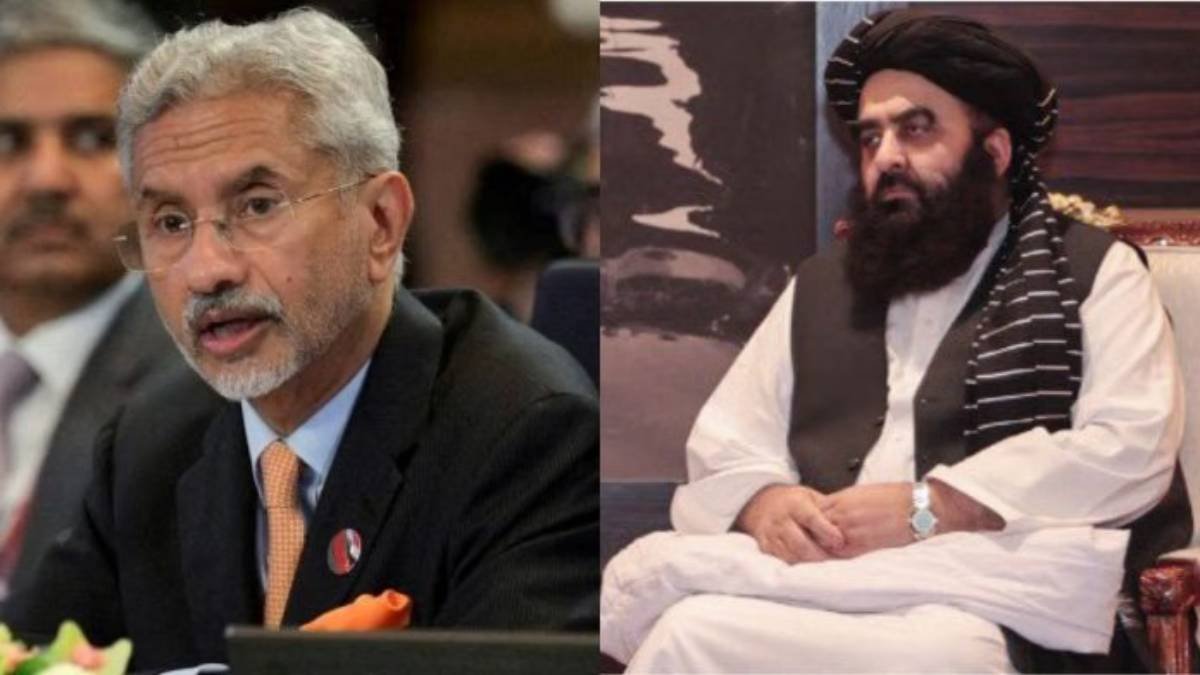
In a significant development, the Taliban’s Foreign Minister, Amir Khan Muttaqi, has undertaken a visit to India, marking a notable shift in regional dynamics. This visit, the first of its kind since the Taliban’s resurgence in Afghanistan, signifies a potential recalibration of diplomatic ties and underscores the complex geopolitical landscape of the region. The visit focused on discussions around strengthening economic and trade ties, humanitarian aid, and regional security concerns.
Key Discussion Points
During the visit, Muttaqi engaged in high-level discussions with Indian officials, including counterparts from the Ministry of External Affairs. The talks primarily centered on facilitating the flow of humanitarian assistance from India to Afghanistan, addressing the dire economic situation and food shortages faced by the Afghan population. India has been a consistent provider of humanitarian aid, and the visit aimed to streamline the delivery and distribution of this crucial support.
Furthermore, the discussions touched upon regional security concerns, particularly the threat posed by terrorist groups operating within Afghanistan. India has expressed concerns regarding the presence of various militant organizations and their potential to destabilize the region. Muttaqi assured Indian officials of the Taliban’s commitment to preventing Afghan soil from being used for terrorist activities against any country.
Economic and trade relations were also a key focus, with both sides exploring avenues to enhance connectivity and facilitate cross-border trade. Afghanistan relies heavily on trade with India, and the discussions aimed to address logistical challenges and create a more conducive environment for businesses. Potential investment opportunities in Afghanistan’s infrastructure and natural resources were also discussed.
Implications for Regional Stability
The Taliban’s visit to India carries significant implications for regional stability. It reflects a pragmatic approach by both sides to engage in dialogue and address shared concerns. This engagement could pave the way for enhanced cooperation on issues such as counter-terrorism, economic development, and regional connectivity. However, challenges remain, including concerns about human rights, particularly the rights of women and minorities in Afghanistan. India has emphasized the importance of inclusive governance and respect for fundamental freedoms.
The visit also underscores the evolving geopolitical dynamics in the region, with various countries seeking to engage with the Taliban in different capacities. While some countries maintain a cautious approach, others are actively seeking to establish diplomatic and economic ties. India’s engagement with the Taliban is driven by a combination of humanitarian concerns, security considerations, and the desire to maintain a constructive role in the region.
The visit by the Taliban’s Foreign Minister to India is a significant step towards fostering dialogue and addressing shared concerns. It highlights the complex interplay of politics, security, and economics in the region and underscores the need for sustained engagement to promote stability and development.
Image Source: Google | Image Credit: Respective Owner