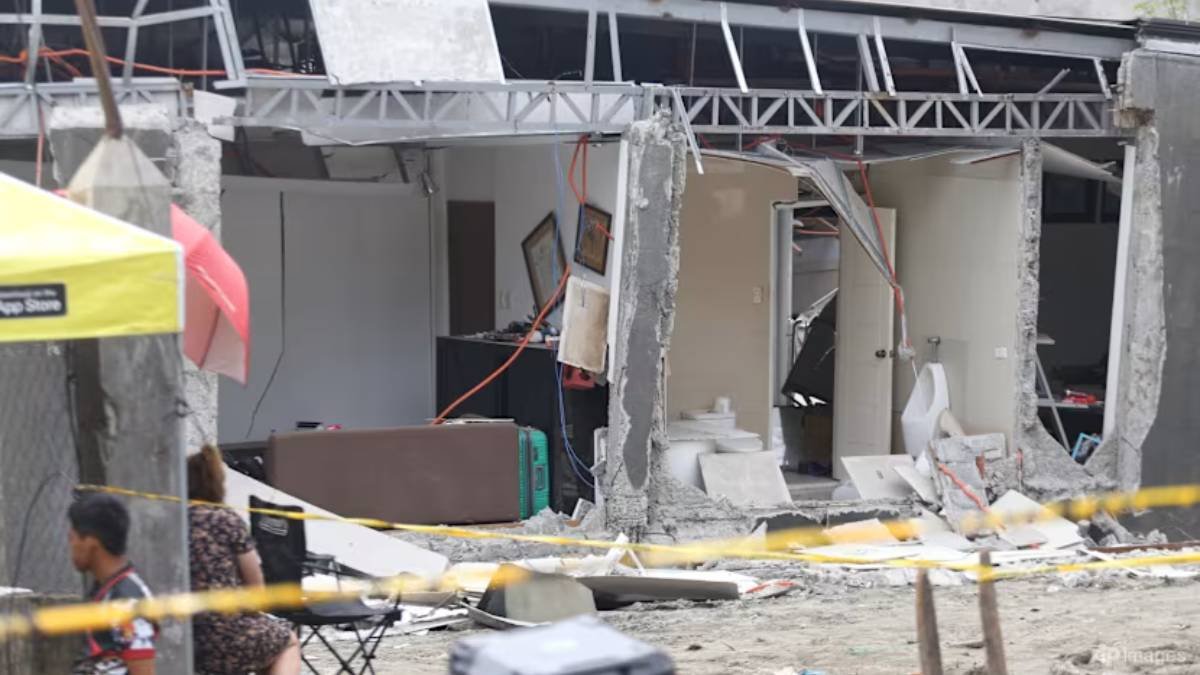
A powerful magnitude 7.4 earthquake struck the Philippines, triggering tsunami warnings and prompting evacuations in coastal areas. The quake, which occurred late Saturday evening local time, was centered off the coast of Mindanao, the country’s southernmost island. Seismologists initially reported a magnitude of 7.2, later revised to 7.4. The Philippine Institute of Volcanology and Seismology (Phivolcs) issued a tsunami alert, advising residents in coastal regions of Surigao del Sur and Davao Oriental to immediately evacuate to higher ground or move further inland.
Tsunami Threat and Evacuations
The Pacific Tsunami Warning Center also issued a warning, indicating that tsunami waves of up to 3 meters (10 feet) above tide level were possible along some Philippine coasts. Smaller waves were predicted for other countries in the region, including Japan, Indonesia, and Taiwan. Residents heeded the warnings, with many evacuating their homes and seeking refuge in designated evacuation centers. Local authorities deployed vehicles to assist in the evacuation efforts and provided updates via radio and social media.
“We felt a very strong earthquake. Many residents have evacuated to higher ground,” said a Surigao del Sur resident in a phone interview. He stated that power was knocked out, and the quake lasted for nearly a minute. He also added that this was the strongest quake he had ever felt. Videos circulating on social media showed people running from their homes in panic. There were reports of minor damage to structures in some areas, but no immediate reports of casualties. Search and rescue teams have been deployed to assess the situation and provide assistance.
Aftershocks and Ongoing Monitoring
Several aftershocks were felt in the hours following the initial earthquake, further amplifying the sense of unease among residents. Phivolcs advised the public to remain vigilant and to be prepared for further aftershocks. The agency is closely monitoring the situation and providing regular updates on the tsunami threat. Experts emphasize that even small tsunami waves can be dangerous and that people should remain cautious until the alert is lifted.
The Philippines is located in the Pacific Ring of Fire, a region known for its high seismic activity and frequent earthquakes and volcanic eruptions. The country experiences an average of 20 earthquakes per day, although most are too weak to be felt. Stronger earthquakes can cause significant damage and loss of life, highlighting the importance of preparedness and early warning systems.
The National Disaster Risk Reduction and Management Council (NDRRMC) is coordinating the response efforts and working with local authorities to ensure the safety and well-being of affected communities. The NDRRMC has activated its emergency operations center and is closely monitoring the situation. They are also coordinating with international partners to provide assistance if needed.
International Response
Neighboring countries have offered assistance and support to the Philippines in the aftermath of the earthquake. International humanitarian organizations are also preparing to deploy resources to the affected areas if required. The situation remains fluid, and ongoing assessments are underway to determine the full extent of the damage and the needs of the affected population.
Image Source: Google | Image Credit: Respective Owner