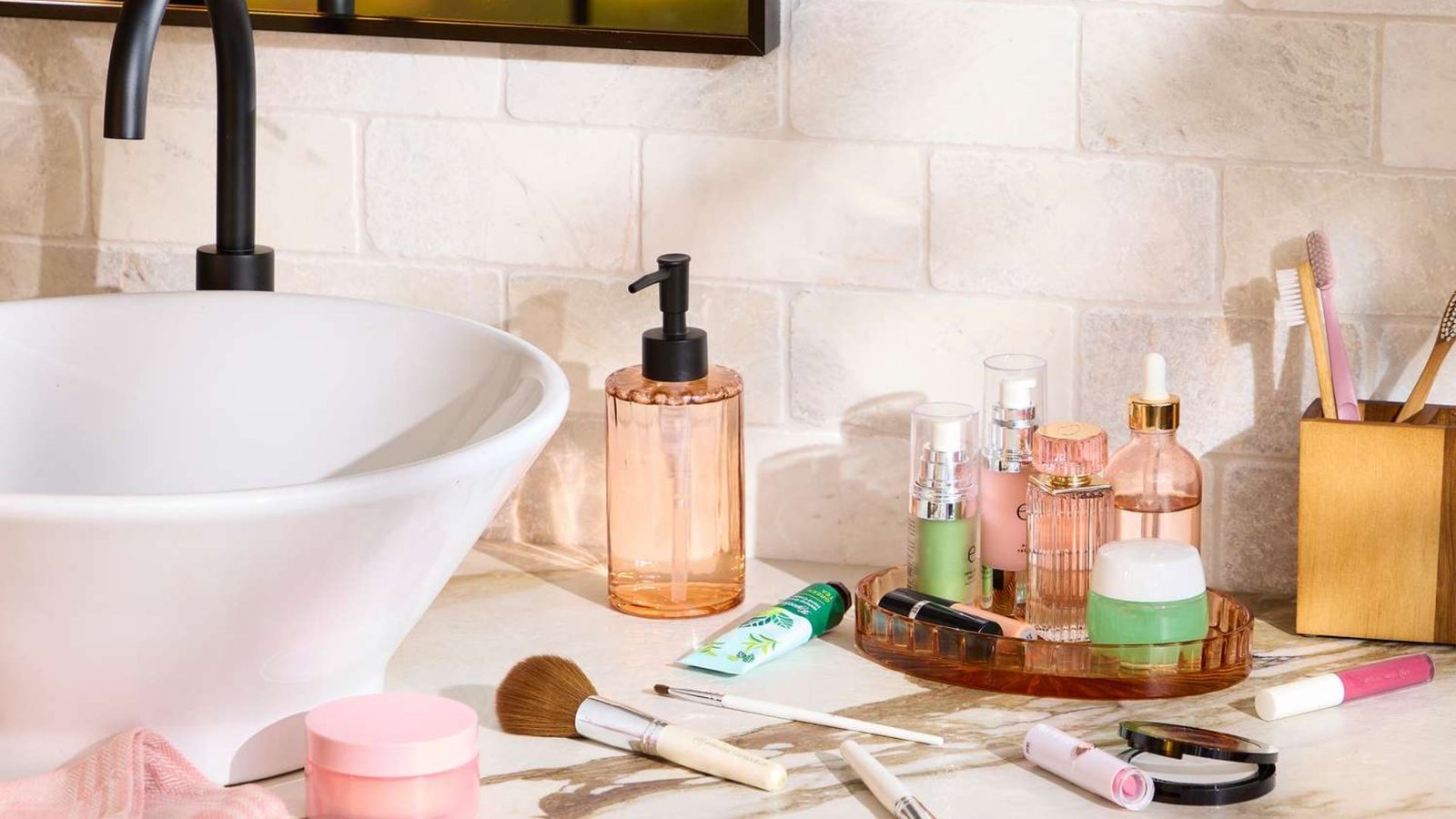
Sharing might be caring in many aspects of life, but when it comes to certain bathroom items, experts advise against it. Bacteria, fungi, and viruses can linger on these personal items, potentially leading to infections or skin irritations. Understanding which items are best kept to oneself is crucial for maintaining good hygiene and preventing the spread of germs.
Toothbrushes: A Breeding Ground for Bacteria
Perhaps the most obvious item on the list, toothbrushes are highly personal. The mouth is teeming with bacteria, both beneficial and harmful. Sharing toothbrushes introduces foreign bacteria into another person’s mouth, potentially leading to infections like gingivitis or even more serious illnesses. Additionally, if one person is sick, sharing a toothbrush can easily transmit the illness to another individual. Dentists strongly recommend that toothbrushes be kept separate and replaced every three months, or sooner if the bristles are frayed or after an illness.
Soap: Surprisingly Risky
While it may seem counterintuitive, bar soap can harbor bacteria. After use, soap sits in a moist environment, making it an ideal breeding ground for germs. Although soap is designed to clean, using a shared bar means transferring bacteria from one person to another. Liquid soap, dispensed from a pump, is a more hygienic alternative, as it minimizes direct contact. If using bar soap, ensure it dries thoroughly between uses and consider using individual bars for each person.
Towels: Personal Territory
Towels are another item that should not be shared. Damp towels provide a perfect environment for bacteria and fungi to thrive. Sharing towels can lead to skin infections, such as athlete’s foot or ringworm, as well as the spread of bacteria that cause acne or other skin irritations. Each person should have their own set of towels, and these should be washed regularly at a high temperature to kill any lingering germs. Furthermore, it’s essential to ensure towels are completely dry between uses, either by hanging them in a well-ventilated area or using a dryer.
By keeping these bathroom items personal, individuals can significantly reduce the risk of spreading germs and infections. Maintaining good hygiene practices in the bathroom is a simple yet effective way to protect your health and the health of those around you.
The implications extend beyond mere inconvenience; they touch upon fundamental aspects of personal health management. Recognizing the potential hazards associated with shared toiletries underscores the importance of informed hygiene practices.
Image Source: Google | Image Credit: Respective Owner