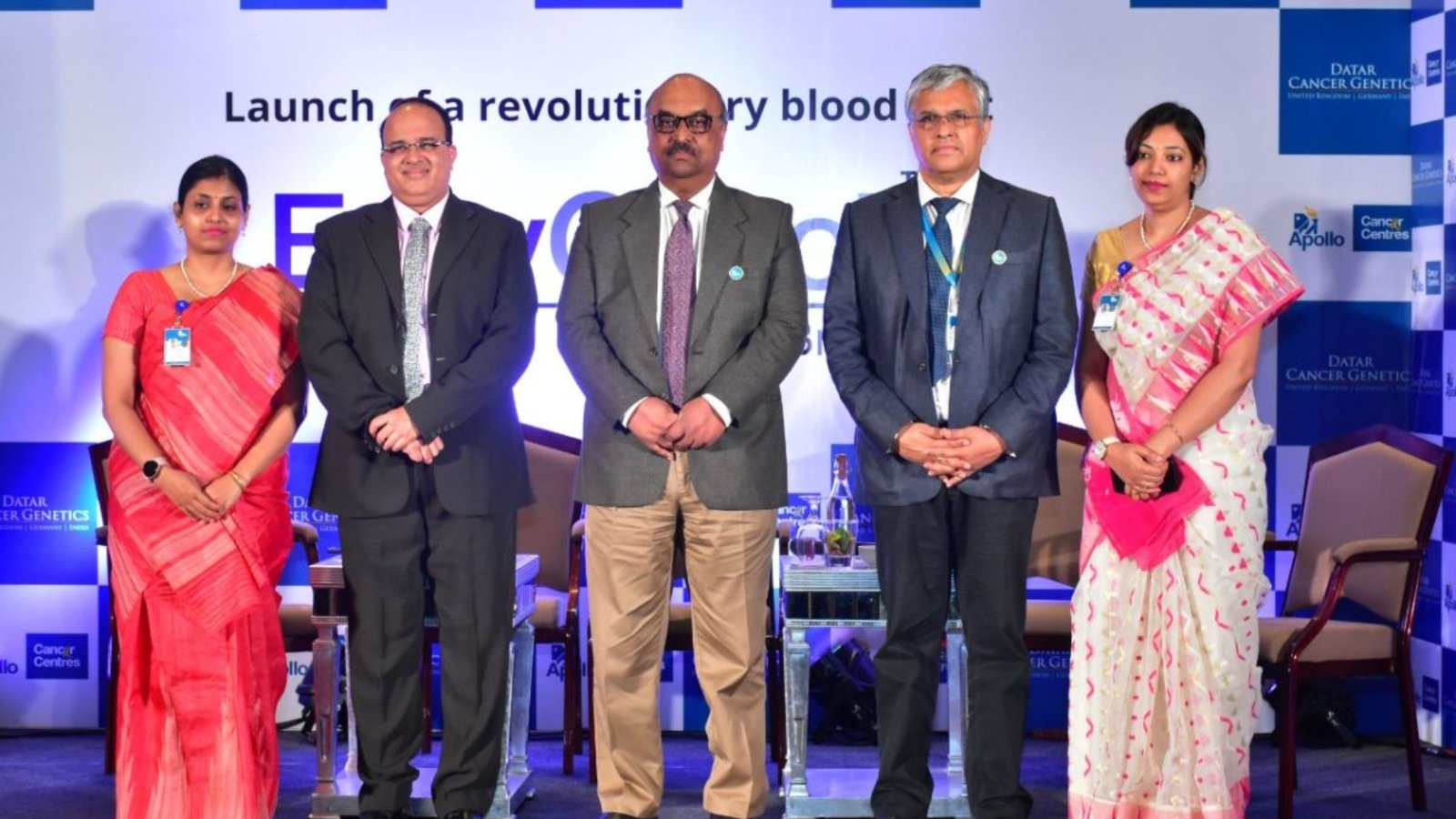
Apollo Cancer Centres recently spearheaded an initiative to raise awareness about hereditary cancer, emphasizing the importance of early detection and preventive measures. The campaign aims to educate the public about the genetic factors that can increase cancer risk and the available strategies for mitigation.
Hereditary cancers, accounting for approximately 5-10% of all cancer cases, are caused by inherited gene mutations passed down from parents to their children. These mutations can significantly elevate an individual’s likelihood of developing specific cancers, such as breast, ovarian, colorectal, and prostate cancer. Understanding one’s family history and genetic predispositions is crucial for proactive healthcare management.
Understanding Hereditary Cancer
The initiative underscores the significance of genetic testing and counseling for individuals with a strong family history of cancer. Genetic testing can identify specific gene mutations, providing valuable insights into cancer risk. Genetic counseling helps individuals interpret test results and make informed decisions about screening, prevention, and treatment options.
Early detection is paramount in improving cancer outcomes. Regular screening, including mammograms, colonoscopies, and prostate-specific antigen (PSA) tests, can help detect cancer at its earliest stages, when treatment is most effective. Individuals with a higher genetic risk may benefit from earlier and more frequent screenings.
Preventive Strategies
Lifestyle modifications also play a critical role in reducing cancer risk. Maintaining a healthy weight, engaging in regular physical activity, and adopting a balanced diet rich in fruits, vegetables, and whole grains can help lower the risk of developing cancer. Avoiding tobacco use and excessive alcohol consumption are also essential preventive measures.
The Apollo Cancer Centres’ initiative also highlights the availability of risk-reducing surgeries for individuals with specific gene mutations. For example, women with BRCA1 or BRCA2 mutations may consider prophylactic mastectomies or oophorectomies to significantly reduce their risk of breast and ovarian cancer. These decisions are complex and should be made in consultation with a multidisciplinary team of healthcare professionals.
“Raising awareness about hereditary cancer is vital for empowering individuals to take control of their health,” stated a leading oncologist at Apollo Cancer Centres. “By understanding their genetic risk and adopting preventive measures, individuals can significantly reduce their chances of developing cancer and improve their overall well-being.” The campaign includes educational materials, webinars, and community outreach programs designed to disseminate information and promote proactive healthcare practices.
This concerted effort by Apollo Cancer Centres seeks to foster a greater understanding of hereditary cancer within the community, encouraging individuals to seek genetic testing and counseling when appropriate, and to embrace preventive strategies to minimize their cancer risk. The ultimate goal is to improve cancer outcomes and enhance the quality of life for individuals and families affected by hereditary cancer syndromes.
Image Source: Google | Image Credit: Respective Owner