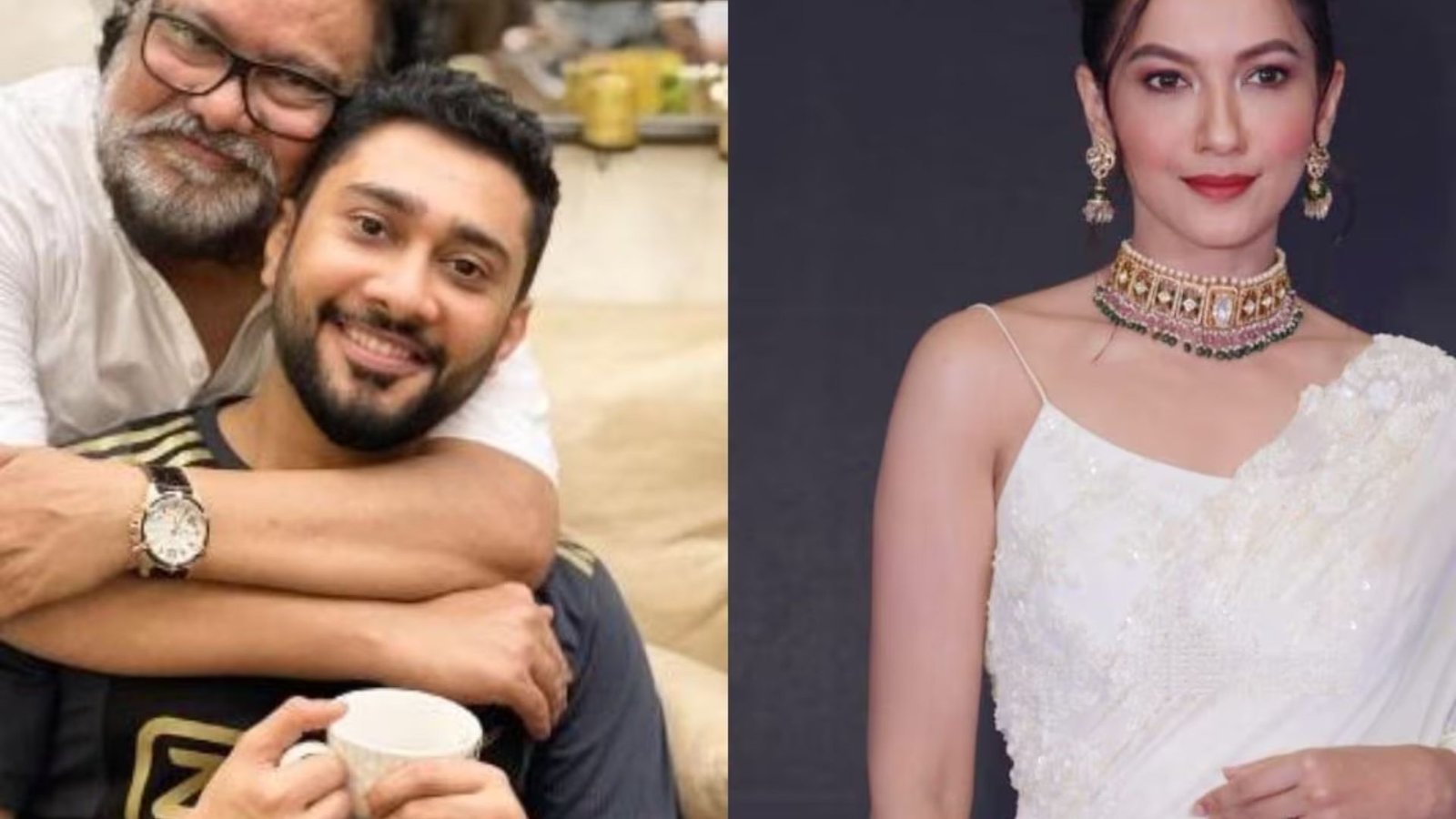
Veteran Bollywood composer Ismail Darbar has sparked controversy with his recent statements regarding his son Zaid Darbar’s alleged disapproval of his wife, actress Gauahar Khan, continuing to work after their marriage. The comments, made during an interview, have ignited a debate about patriarchal attitudes and women’s rights within the Indian entertainment industry.
The Controversy Unfolds
Reports suggest that Zaid Darbar expressed his desire for Gauahar Khan to prioritize family life over her career, leading to disagreements between the couple. In response to these reports, Ismail Darbar stated that while he respects Gauahar’s independence and career aspirations, he also understands his son’s perspective. He emphasized that a husband has the right to voice his concerns and preferences regarding his wife’s professional choices.
“Main nahi dekh sakta, bardasht nahi hoga (I cannot see, it will not be tolerated),” Ismail Darbar reportedly said, expressing his personal discomfort with the idea of his daughter-in-law working extensively after marriage. These remarks have been widely interpreted as reinforcing traditional patriarchal norms and limiting women’s autonomy.
The composer’s statements have drawn criticism from various quarters, with many social media users and commentators condemning what they perceive as regressive views. Critics argue that Gauahar Khan, as a successful and independent woman, should have the freedom to make her own decisions about her career without undue influence from her husband or his family.
Conversely, some have defended Ismail Darbar, suggesting that his comments reflect cultural values and personal preferences. They argue that within the framework of a traditional family, it is acceptable for a husband to have a say in his wife’s life choices, as long as there is mutual respect and understanding.
Gauahar Khan and Zaid Darbar have yet to publicly address the controversy directly. However, sources close to the couple indicate that they are working through their differences and striving to find a balance between their individual aspirations and their shared life as a married couple. The incident has highlighted the complexities of navigating personal relationships and career expectations within the context of evolving social norms.
The debate surrounding Ismail Darbar’s comments serves as a reminder of the ongoing challenges faced by women in India, particularly in industries where traditional values often clash with modern ideals of gender equality and female empowerment. It underscores the importance of open dialogue and mutual respect in fostering healthy and equitable relationships.
The situation continues to unfold, with many observers awaiting a response from Gauahar Khan and Zaid Darbar themselves. The outcome of this controversy will likely have implications for how similar situations are handled in the future, potentially influencing the broader conversation about women’s rights and autonomy in India.
Image Source: Google | Image Credit: Respective Owner