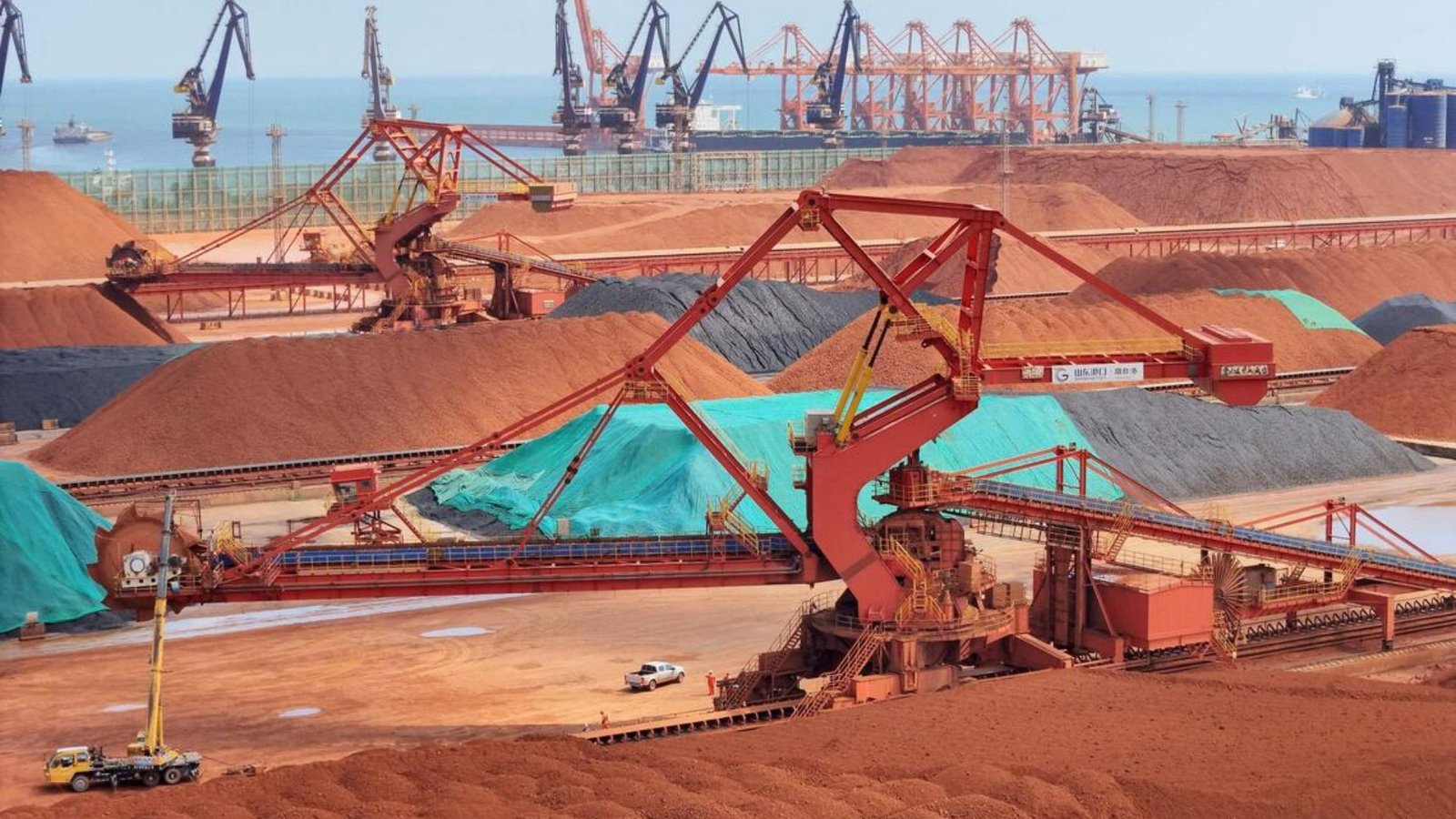
China has intensified its control over rare earth exports, implementing measures primarily targeting defence and semiconductor industries. This move, which has been anticipated by global markets, reflects Beijing’s strategic focus on securing its dominance in critical mineral supply chains amid escalating geopolitical tensions. The new regulations introduce stricter licensing requirements and enhanced scrutiny of end-users, aiming to prevent the diversion of these essential materials for military or strategic purposes by rival nations.
Heightened Export Restrictions
The stringent export controls mandate that companies provide detailed information regarding the end-use of rare earth minerals, including the specific applications in defence systems, high-tech manufacturing, and semiconductor production. This increased level of oversight empowers the Chinese government to monitor and regulate the flow of these materials, ensuring they align with its national interests. Companies failing to comply with these regulations face significant penalties, including the revocation of export licenses and potential legal repercussions.
These controls are especially critical given rare earth elements’ pivotal role in manufacturing advanced military equipment, ranging from missile guidance systems to stealth technology. Similarly, their use in semiconductors, electric vehicles, and renewable energy technologies underscores their strategic importance in the global economy. By controlling exports, China aims to exert influence over these industries and potentially limit the technological advancements of other countries.
Impact on Global Industries
The immediate impact of these export controls is expected to be felt most acutely by companies heavily reliant on Chinese rare earth supplies. Defence contractors in the United States, Europe, and Japan may face challenges in securing the necessary materials for production, potentially leading to delays and increased costs. Semiconductor manufacturers could also experience disruptions, particularly those that have not diversified their supply chains.
However, the move may also spur other nations to accelerate efforts to develop alternative sources of rare earth minerals and reduce their dependence on China. Australia, the United States, and Canada are among the countries exploring domestic mining and processing capabilities. Investments in recycling technologies and the development of substitute materials are also likely to increase. The long-term implications could reshape the global rare earth market, potentially fostering greater diversification and resilience.
Geopolitical Ramifications
China’s decision to tighten export controls on rare earth elements is widely seen as a strategic manoeuvre amid ongoing trade disputes and geopolitical rivalries. By leveraging its dominant position in the rare earth market, China aims to exert pressure on countries that it perceives as challenging its interests. This strategy reflects a broader trend of using economic leverage to achieve political objectives. While the move may provide short-term advantages, it also carries the risk of escalating tensions and prompting retaliatory measures. The global community will be closely watching how this situation unfolds, with significant implications for international trade and security.
Image Source: Google | Image Credit: Respective Owner