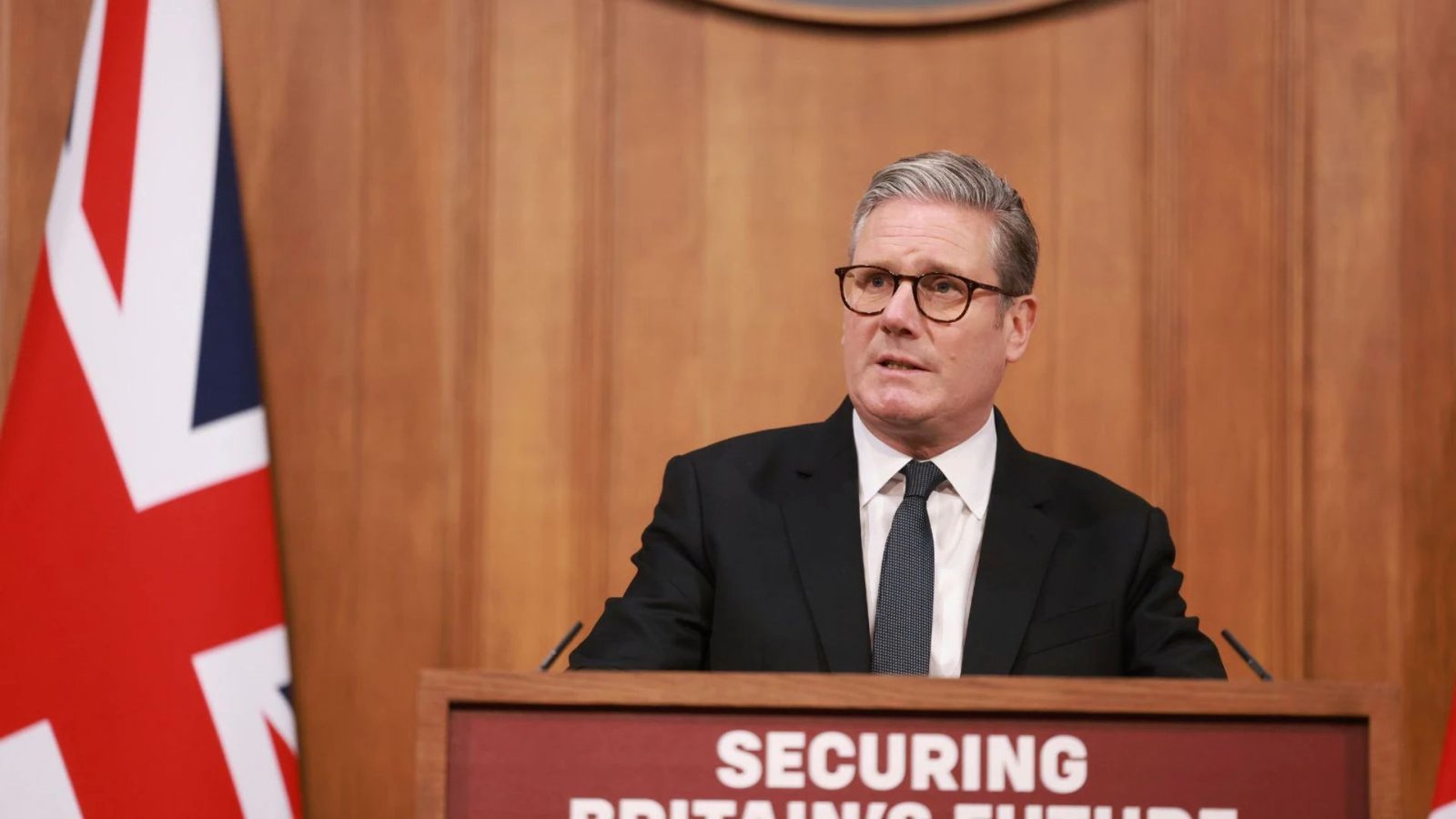
Labour leader Keir Starmer has stated unequivocally that the United Kingdom will not relax its visa rules for India, reaffirming his party’s stance on immigration policies. The announcement comes amid ongoing discussions between the UK and India regarding trade agreements and bilateral relations, where visa regulations have been a point of contention.
Starmer’s declaration, reported by the BBC, emphasizes a firm position against easing visa requirements, likely aimed at addressing domestic concerns about immigration levels and border control. The Labour party has been keen to demonstrate a robust approach to immigration management, particularly as the issue remains a significant political concern for many voters in the UK.
Implications for UK-India Relations
The refusal to relax visa rules could potentially complicate trade negotiations between the two countries. India has often sought more lenient visa policies for its professionals and students as part of broader trade deals. Stricter visa regulations can hinder the movement of skilled workers and academics, impacting collaborations in sectors such as technology, healthcare, and education.
However, the UK government, under pressure to control immigration, may prioritize domestic considerations over the potential benefits of relaxed visa policies. The balance between attracting skilled migrants and addressing public anxieties about immigration remains a delicate challenge for policymakers.
Economic and Social Impacts
The current visa regime affects various sectors. Indian professionals contribute significantly to the UK’s healthcare system, IT industry, and financial services. Restricting their access could lead to skills shortages and slower economic growth in these areas. Conversely, proponents of tighter visa controls argue that they protect domestic jobs and ensure better wages for UK citizens.
Moreover, the issue of student visas is crucial for the UK’s higher education sector, which attracts a large number of Indian students each year. Relaxed visa rules could boost university revenues and foster academic exchange. However, concerns about immigration levels often outweigh these benefits in policy decisions.
Political Context
Starmer’s statement also reflects the broader political context in the UK, where immigration policies are closely scrutinized. Both the ruling Conservative party and the Labour party are under pressure to demonstrate effective management of immigration. Stricter visa rules are often seen as a way to appease voters concerned about uncontrolled immigration and its perceived impacts on public services and social cohesion. The decision is indicative of the complex interplay between economic interests, political considerations, and public sentiment in shaping immigration policies.
Image Source: Google | Image Credit: Respective Owner