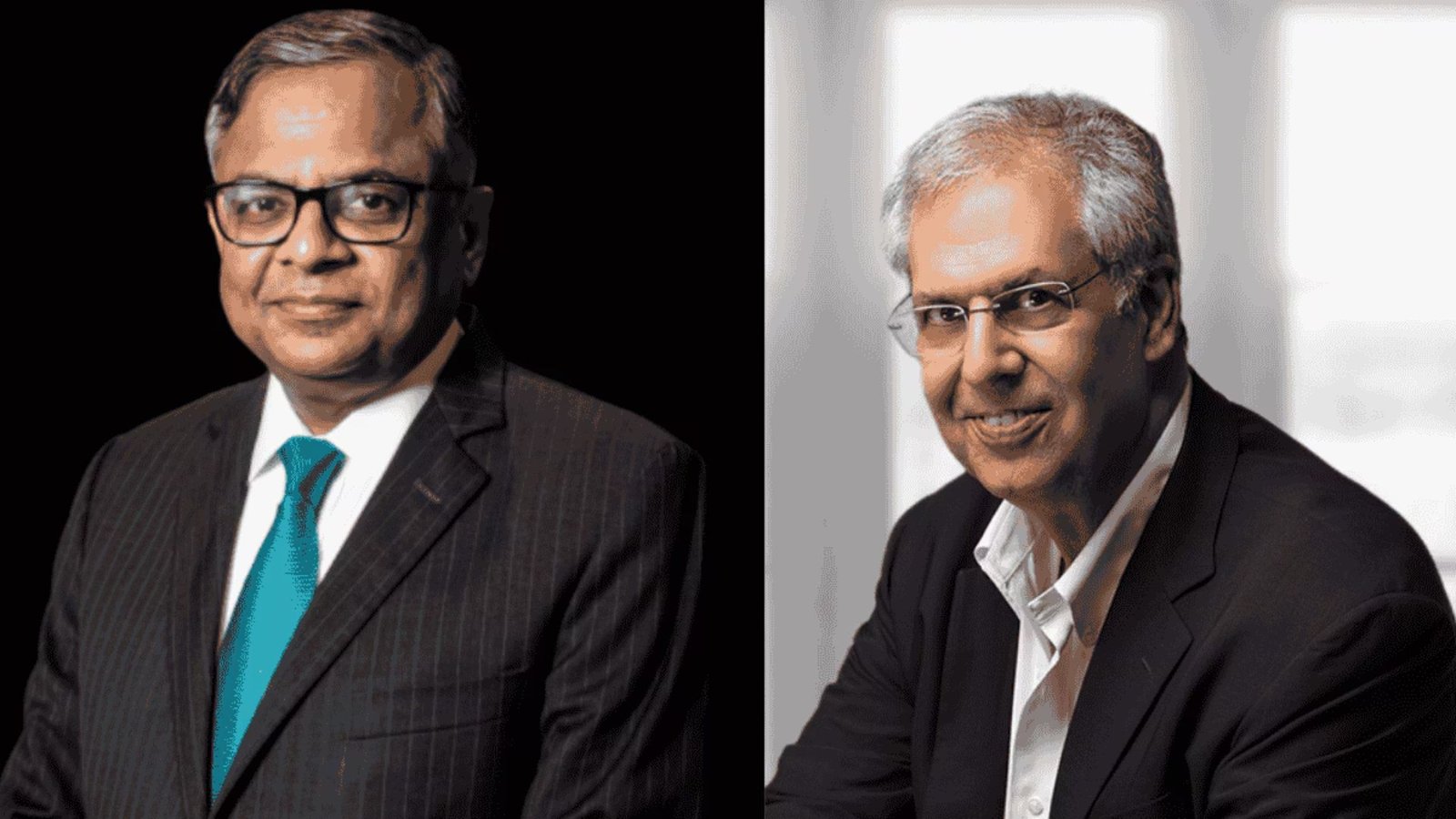
Concerns surrounding the Tata Trusts, a significant philanthropic organization and a major shareholder in Tata Sons, have prompted high-level meetings with key government figures. Noel Tata and N. Chandrasekaran, Chairman of Tata Sons, recently met with Home Minister Amit Shah and Finance Minister Nirmala Sitharaman amid reports of internal discord and increasing scrutiny of the Trusts’ operations.
Background of the Concerns
The Tata Trusts, which control a 66% stake in Tata Sons, the holding company of the Tata Group, have been under pressure due to governance issues and perceived conflicts of interest. Recent reports suggest a growing rift between the trustees and the executive leadership, leading to questions about the Trusts’ strategic direction and operational efficiency. The meetings with Shah and Sitharaman indicate the government’s awareness and potential concern regarding the stability and management of such a prominent institution.
The Tata Trusts are involved in a wide range of philanthropic activities, including healthcare, education, and rural development. Any instability within the Trusts could have significant repercussions for the numerous initiatives they support and the communities they serve. The government’s involvement underscores the importance of ensuring the Trusts’ continued effectiveness and adherence to ethical standards.
Sources familiar with the matter suggest that the meetings were aimed at providing assurances to the government regarding the steps being taken to address the internal challenges. Chandrasekaran, known for his leadership in transforming Tata Consultancy Services (TCS) and subsequently Tata Sons, is reportedly keen on reinforcing governance structures and ensuring transparency across the Tata Group, including the Trusts.
Possible Implications and Future Outlook
The discussions with Shah and Sitharaman could lead to increased oversight of the Tata Trusts’ activities. The government may seek greater transparency in the Trusts’ financial dealings and decision-making processes. It is also possible that the government could encourage the Trusts to adopt best practices in corporate governance to mitigate potential risks. The involvement of senior government officials reflects the strategic importance of the Tata Group and the Trusts’ role in India’s economic and social landscape.
The future direction of the Tata Trusts will likely depend on the outcome of ongoing internal reviews and any recommendations made by external advisors. A renewed focus on governance, transparency, and strategic alignment could help to restore confidence and ensure the Trusts continue to fulfill their philanthropic mission effectively. The situation remains fluid, and further developments are expected in the coming weeks as the Tata Group navigates these challenges.
The meetings also highlight the intricate relationship between large business houses and the government in India, particularly when philanthropic organizations are involved. The government’s interest in the Tata Trusts is a reflection of its broader commitment to ensuring accountability and good governance across all sectors of society.
Image Source: Google | Image Credit: Respective Owner