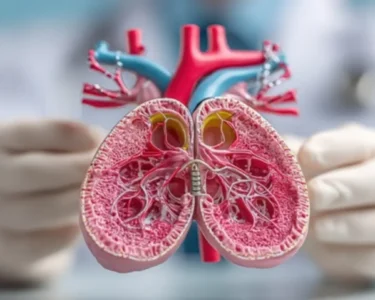
New guidelines have been issued with the goal of significantly reducing and eventually eliminating deaths related to postpartum hemorrhage (PPH), a leading cause of maternal mortality worldwide. The guidelines, developed by a coalition of global health organizations and experts, offer a comprehensive approach to the prevention, early detection, and effective management of PPH.
Understanding Postpartum Hemorrhage
Postpartum hemorrhage is defined as excessive bleeding after childbirth, typically within the first 24 hours. It can occur due to various factors, including uterine atony (failure of the uterus to contract adequately), retained placental tissue, lacerations of the birth canal, and blood clotting disorders. Without prompt and appropriate intervention, PPH can rapidly lead to severe anemia, shock, organ failure, and death.
Key Recommendations of the New Guidelines
The newly released guidelines emphasize a multi-pronged strategy to combat PPH:
- Prophylactic Measures: The guidelines strongly recommend the routine use of uterotonic drugs, such as oxytocin, immediately after delivery to promote uterine contraction and reduce the risk of bleeding. They also highlight the importance of controlled cord traction during placental delivery.
- Early Detection: Healthcare providers are urged to closely monitor women for signs of excessive bleeding after childbirth. Quantitative blood loss assessment is recommended as a more accurate method compared to visual estimation.
- Prompt Treatment: The guidelines provide detailed protocols for managing PPH, including the use of additional uterotonic drugs (e.g., misoprostol, ergometrine), tranexamic acid to promote blood clotting, and uterine massage. In cases of severe bleeding, they recommend the use of uterine tamponade, balloon tamponade, or surgical interventions as necessary.
- Improved Access to Care: A key focus is on ensuring that all women have access to skilled birth attendants and well-equipped healthcare facilities capable of managing PPH. This includes strengthening referral systems to enable timely transfer of women with severe bleeding to higher-level facilities.
- Training and Education: The guidelines emphasize the need for ongoing training and education of healthcare providers on the prevention and management of PPH. This includes simulation-based training to improve skills in managing obstetric emergencies.
Global Impact and Implementation
The guidelines are intended to be adapted and implemented at the national and local levels, taking into account the specific context and resources available in each setting. Global health organizations are working to support countries in implementing these recommendations through technical assistance, training programs, and the provision of essential medicines and equipment.
The hope is that widespread adoption of these guidelines will lead to a substantial reduction in the number of women who die each year from postpartum hemorrhage, contributing to global efforts to improve maternal health and achieve the Sustainable Development Goals.
Experts believe that with proper implementation, these guidelines can significantly improve maternal survival rates and contribute to healthier outcomes for both mothers and their newborns.
Image Source: Google | Image Credit: Respective Owner