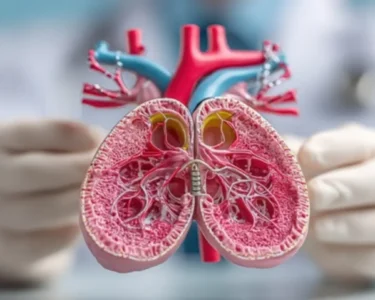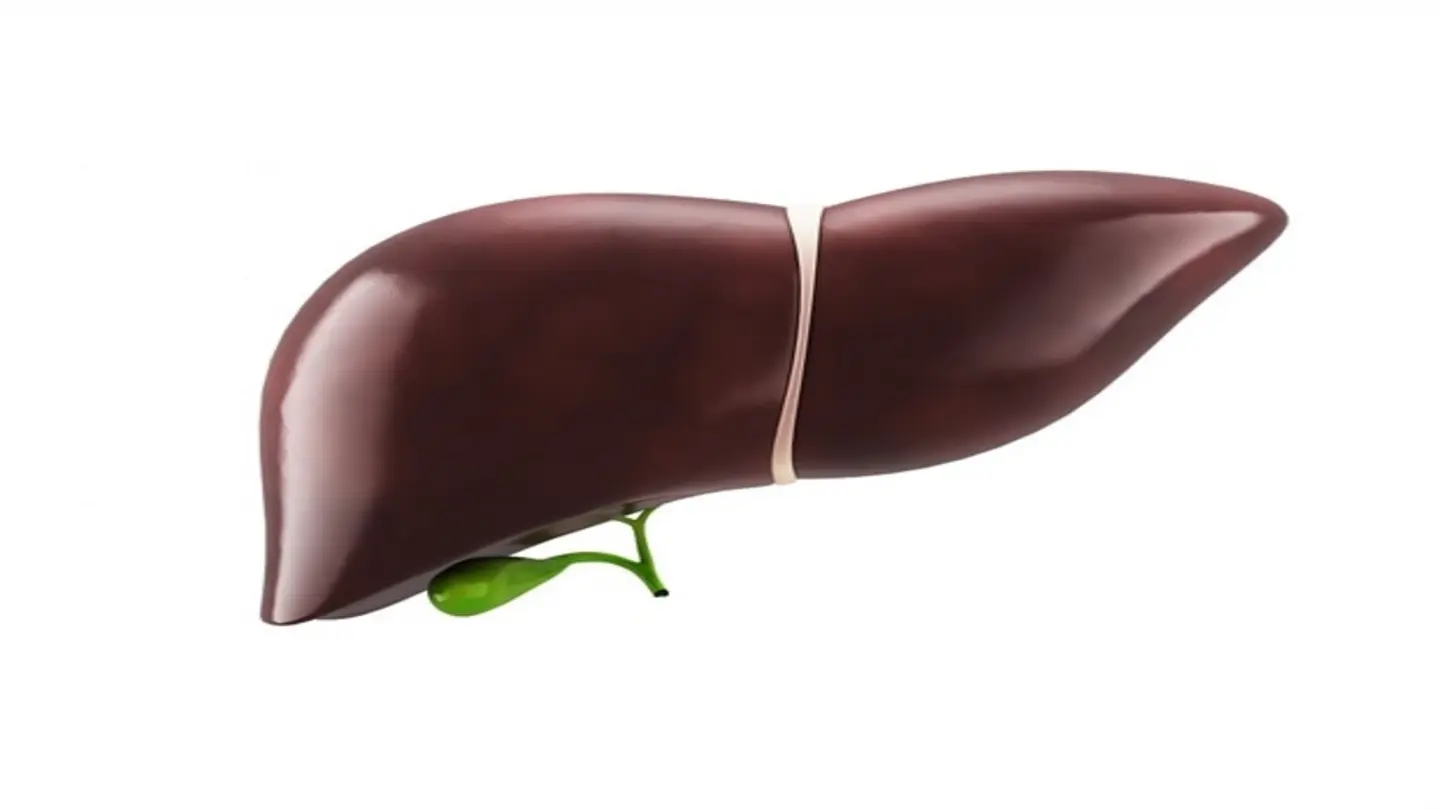
New research indicates a strong link between the consumption of sugary drinks and a heightened risk of developing non-alcoholic fatty liver disease (NAFLD). The study, published recently in a leading medical journal, suggests that individuals who frequently consume beverages high in sugar content may face up to a 60% increase in their likelihood of developing this common liver ailment.
Understanding NAFLD
Non-alcoholic fatty liver disease is a condition characterized by the accumulation of excess fat in the liver of individuals who consume little to no alcohol. While the exact causes of NAFLD are not fully understood, it is often associated with obesity, diabetes, high cholesterol, and high blood pressure. Left untreated, NAFLD can progress to more severe liver conditions, including cirrhosis and liver cancer.
The research team, comprised of scientists from multiple institutions, analyzed data from a large cohort of participants over a period of several years. The findings revealed a significant correlation between the intake of sugary drinks, such as sodas, sweetened juices, and energy drinks, and the development of NAFLD. The study controlled for other known risk factors, including age, sex, body mass index (BMI), and physical activity levels, to isolate the specific impact of sugary drinks.
“Our results provide compelling evidence that reducing the consumption of sugary drinks could be an effective strategy for preventing NAFLD,” stated Dr. Emily Carter, the lead author of the study. “We observed a dose-response relationship, meaning that the more sugary drinks a person consumed, the greater their risk of developing the disease.”
The Role of Diet
Experts emphasize the importance of adopting a healthy diet and lifestyle to mitigate the risk of NAFLD. This includes limiting the intake of sugary drinks, processed foods, and saturated fats, while increasing the consumption of fruits, vegetables, and whole grains. Regular physical activity is also crucial for maintaining a healthy weight and reducing the risk of liver disease.
The study’s findings underscore the growing concern about the health consequences of excessive sugar consumption. Public health officials are increasingly advocating for policies aimed at reducing sugar intake, such as taxes on sugary drinks and stricter labeling requirements. These measures are intended to raise awareness among consumers and encourage healthier dietary choices. Further research is needed to fully elucidate the mechanisms by which sugary drinks contribute to the development of NAFLD and to identify effective interventions for preventing and treating the disease. However, the current evidence strongly suggests that limiting the consumption of sugary drinks is a prudent step towards protecting liver health.
This research adds to a growing body of evidence highlighting the detrimental effects of sugary drinks on overall health. From weight gain and tooth decay to an increased risk of chronic diseases, the consumption of sugary beverages poses a significant public health challenge that requires concerted efforts from individuals, healthcare professionals, and policymakers.
Image Source: Google | Image Credit: Respective Owner