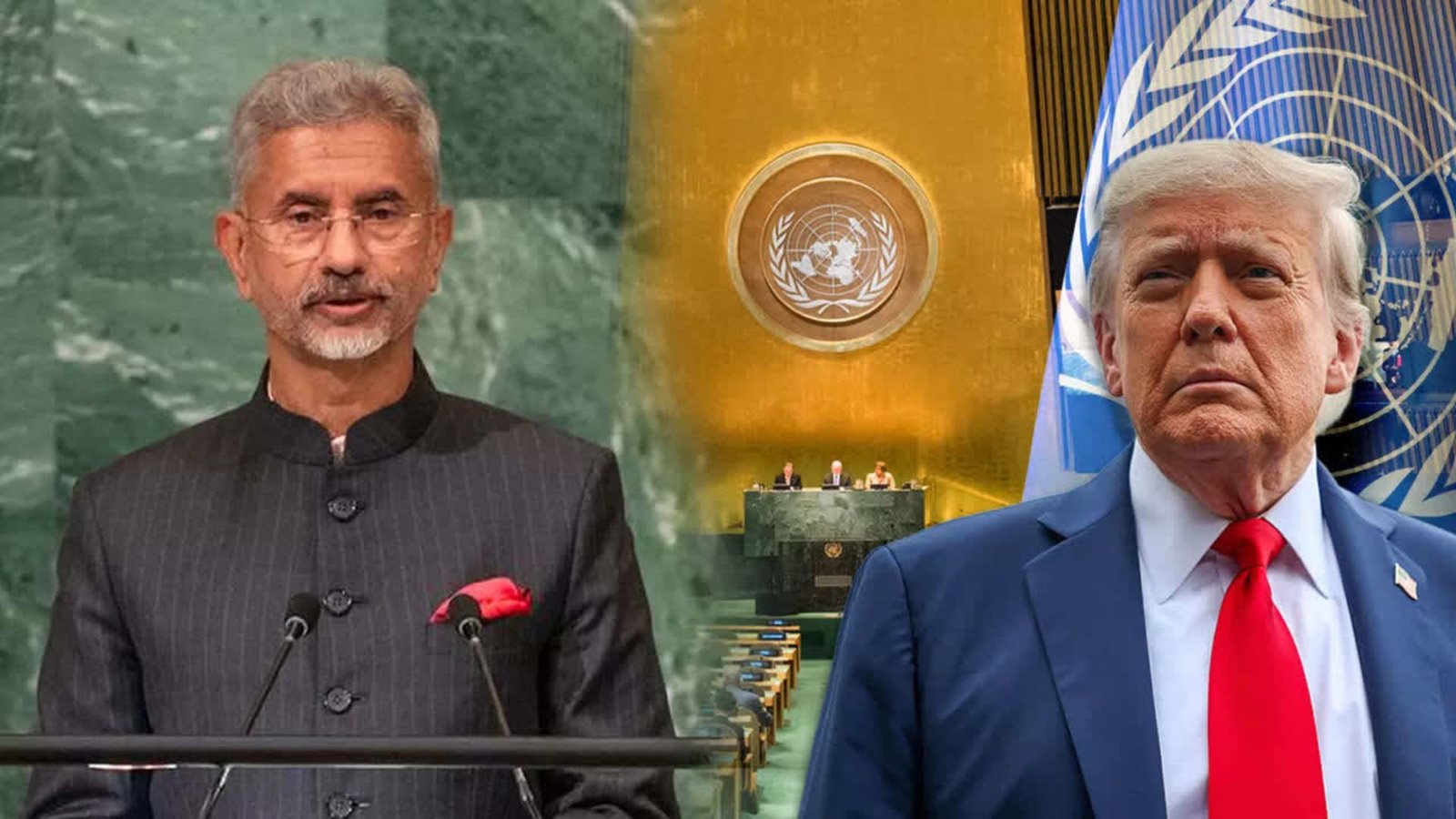
External Affairs Minister S. Jaishankar has voiced concerns regarding the increasing volatility in tariff structures, asserting that it is disrupting established trade calculations. Speaking at a recent economic forum, Jaishankar emphasized the need for greater predictability and stability in international trade policies to foster sustainable economic growth. He noted that frequent and unpredictable changes in tariffs can undermine business confidence and investment decisions, particularly for companies engaged in cross-border trade.
The Impact of Tariff Volatility
Jaishankar pointed out that the current global landscape is characterized by a resurgence of protectionist measures and trade disputes, leading to a more fragmented and uncertain trade environment. This environment, he argued, makes it difficult for businesses to plan and execute long-term strategies, ultimately hindering economic progress. He cited specific instances where abrupt tariff changes had led to significant disruptions in supply chains and increased costs for businesses.
“When trade calculations are overturned, it creates an atmosphere of uncertainty that is detrimental to both domestic and international commerce,” Jaishankar stated. He stressed the importance of multilateral institutions, such as the World Trade Organization (WTO), in providing a framework for resolving trade disputes and ensuring a level playing field for all countries. However, he also acknowledged the need for reforms within these institutions to address the evolving challenges of the 21st-century global economy.
The External Affairs Minister also addressed the issue of non-tariff barriers, which he said can be equally disruptive to trade. He highlighted the need for greater transparency and harmonization of regulatory standards to reduce the compliance burden on businesses. He urged countries to adopt a more collaborative approach to trade policy, focusing on mutual benefits and shared prosperity.
Call for Global Cooperation
Jaishankar called for enhanced international cooperation to address the root causes of tariff volatility and to promote a more stable and predictable trade environment. He emphasized the importance of dialogue and negotiation in resolving trade disputes, rather than resorting to unilateral measures that can escalate tensions. He also highlighted the role of technology in facilitating trade and reducing transaction costs, urging countries to invest in digital infrastructure and promote the adoption of e-commerce platforms.
India, according to Jaishankar, is committed to playing a constructive role in shaping the future of global trade. He reiterated India’s support for a rules-based multilateral trading system and its willingness to work with other countries to address the challenges facing the global economy. He concluded by emphasizing that a stable and predictable trade environment is essential for achieving sustainable economic growth and promoting inclusive development.
The minister’s remarks come at a time when global trade tensions are high, with several major economies engaged in trade disputes. His call for greater stability and predictability in trade policies is likely to resonate with businesses and policymakers around the world.
Image Source: Google | Image Credit: Respective Owner