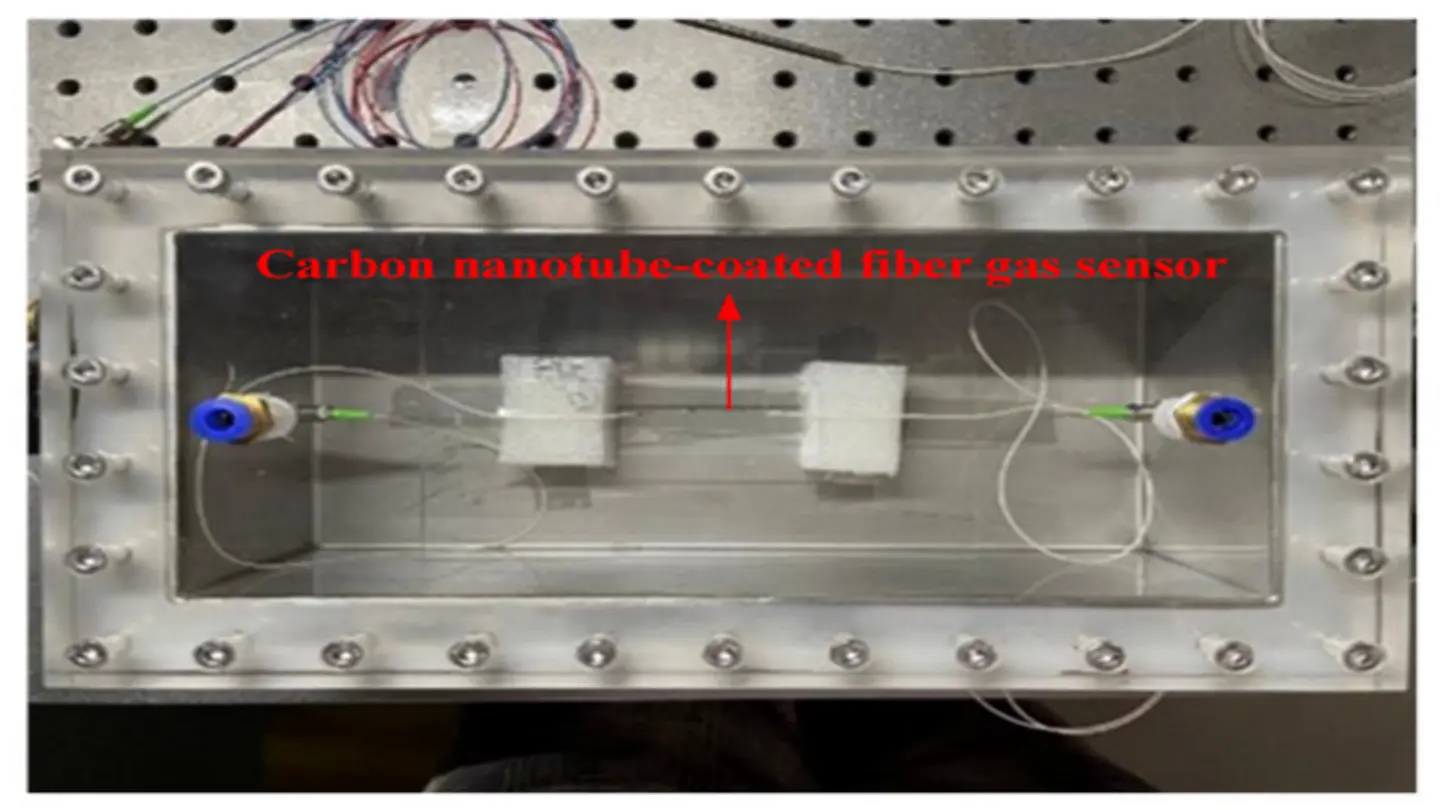
Researchers have developed a new method for water purification using nanoparticle-coated fibers, offering a potentially more efficient and cost-effective solution compared to traditional methods. This innovative technology, highlighted in BusinessLine, focuses on enhancing the filtration process through advanced material science.
The core of the innovation lies in the application of nanoparticles to the surface of fibers. These nanoparticles, chosen for their specific properties, act as highly efficient adsorbents, capturing contaminants from water as it passes through the fibrous material. The large surface area of the nanoparticles significantly increases the binding capacity for pollutants, making the filtration process more effective.
Advantages of Nanoparticle-Coated Fibers
Several advantages are associated with this technology. Firstly, the process can be tailored to target specific contaminants. By selecting nanoparticles with an affinity for certain pollutants, the filtration system can be optimized for different water sources and purification needs. This targeted approach enhances efficiency and reduces the need for multiple filtration stages.
Secondly, nanoparticle-coated fibers can be produced at a relatively low cost. The materials used are generally abundant and the coating process can be scaled up for mass production. This cost-effectiveness makes the technology particularly attractive for deployment in developing regions where access to clean water is limited.
Thirdly, the fibrous structure provides a high degree of mechanical strength and durability. This ensures that the filtration system can withstand the rigors of continuous use without significant degradation or loss of performance. The fibers can also be easily integrated into existing water treatment infrastructure, minimizing the need for costly upgrades or replacements.
The development of nanoparticle-coated fibers represents a significant advancement in water purification technology. Its potential to provide affordable, efficient, and customizable filtration solutions makes it a promising tool for addressing the global water crisis. Further research and development are focused on optimizing the nanoparticle composition and fiber structure to achieve even greater levels of purification performance. Field trials are also underway to assess the long-term effectiveness and scalability of the technology in real-world conditions. This novel approach could revolutionize how we purify water, offering a sustainable path towards ensuring access to clean and safe drinking water for all.
Image Source: Google | Image Credit: Respective Owner