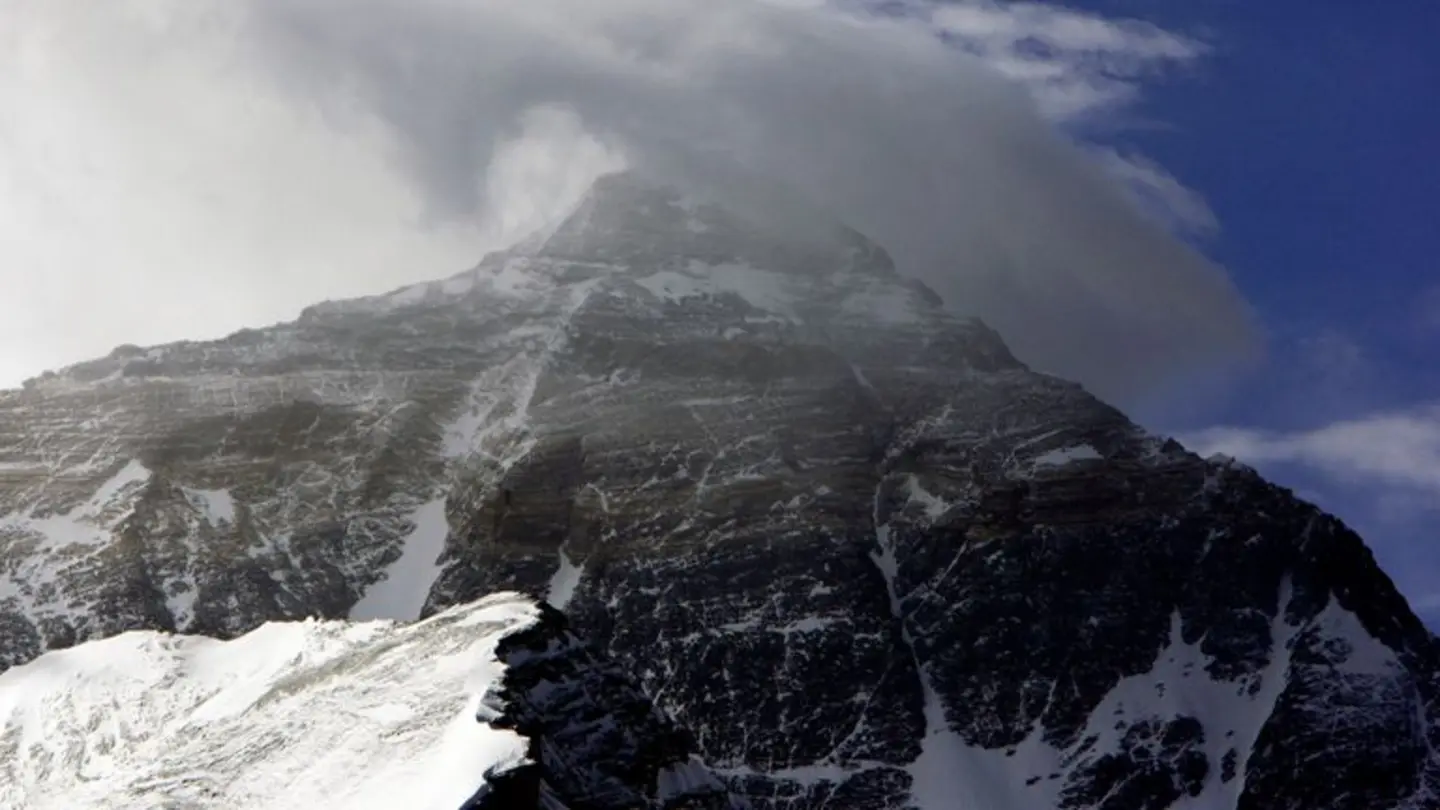
A severe blizzard on the Tibetan side of Mount Everest has trapped approximately 1,000 climbers, guides, and support staff, according to reports from The Hindu. The sudden and unexpected weather event has created a precarious situation for those on the mountain, raising concerns about their safety and well-being. Rescue efforts are reportedly underway, but the challenging terrain and continued adverse weather conditions are hampering operations.
The Blizzard’s Impact
The blizzard, characterized by heavy snowfall and strong winds, struck the region with little warning. The intensity of the storm has significantly reduced visibility and made movement on the mountain extremely dangerous. Climbers attempting to summit Everest, as well as those acclimatizing at lower camps, are among those affected. Communication with those trapped has been difficult, further complicating rescue efforts. The exact number of individuals requiring immediate assistance remains unclear.
Reports indicate that many of those trapped are suffering from altitude sickness, hypothermia, and exhaustion. The lack of adequate shelter and supplies is exacerbating the situation. Rescue teams are working to provide emergency medical care and evacuate those in the most critical condition. However, the sheer number of people affected and the difficult access to remote areas pose significant logistical challenges.
Rescue Operations
Chinese authorities, along with experienced Sherpa guides and climbing teams, are coordinating the rescue efforts. Helicopters are being used to airlift injured and stranded climbers from higher altitudes to base camp, where they can receive medical attention. Ground teams are also working to reach those who are unable to be evacuated by air. The rescue operations are further complicated by the risk of avalanches and the potential for further deterioration in weather conditions.
The incident highlights the inherent risks associated with climbing Mount Everest, particularly the unpredictable nature of mountain weather. Even with advanced forecasting technology, sudden and severe weather events can occur, posing a serious threat to climbers. This latest incident is a stark reminder of the importance of careful planning, proper equipment, and experienced guides when attempting to climb the world’s highest peak. The international climbing community is closely monitoring the situation and offering support to the rescue efforts.
This event underscores the vulnerability of even experienced mountaineers to the harsh realities of Everest’s climate and the importance of robust emergency response systems in high-altitude environments. The situation remains fluid, and further updates are expected as rescue operations continue.
Looking Ahead
The focus remains on safely evacuating everyone trapped on the mountain and providing necessary medical assistance. Following the immediate crisis, a thorough assessment of the incident will likely be conducted to identify lessons learned and improve safety protocols for future expeditions. The incident also raises questions about the impact of climate change on mountain weather patterns and the potential for increased risks to climbers in the years to come. The climbing community will undoubtedly be reevaluating strategies to mitigate risks and ensure the safety of all those who venture to conquer Mount Everest.
Image Source: Google | Image Credit: Respective Owner