The conflict in Gaza continues unabated as efforts to secure a truce face significant hurdles. Despite international pressure and ongoing negotiations, a comprehensive peace plan remains elusive, leaving the region mired in violence and uncertainty.
Escalating Violence
Recent days have witnessed a surge in military activity, with both sides engaged in intense exchanges of fire. The relentless bombardment has resulted in further casualties and widespread destruction, exacerbating the already dire humanitarian crisis. Civilian infrastructure, including homes, schools, and hospitals, has sustained extensive damage, further compounding the suffering of the population. The international community has expressed grave concern over the escalating violence and has called for an immediate cessation of hostilities.
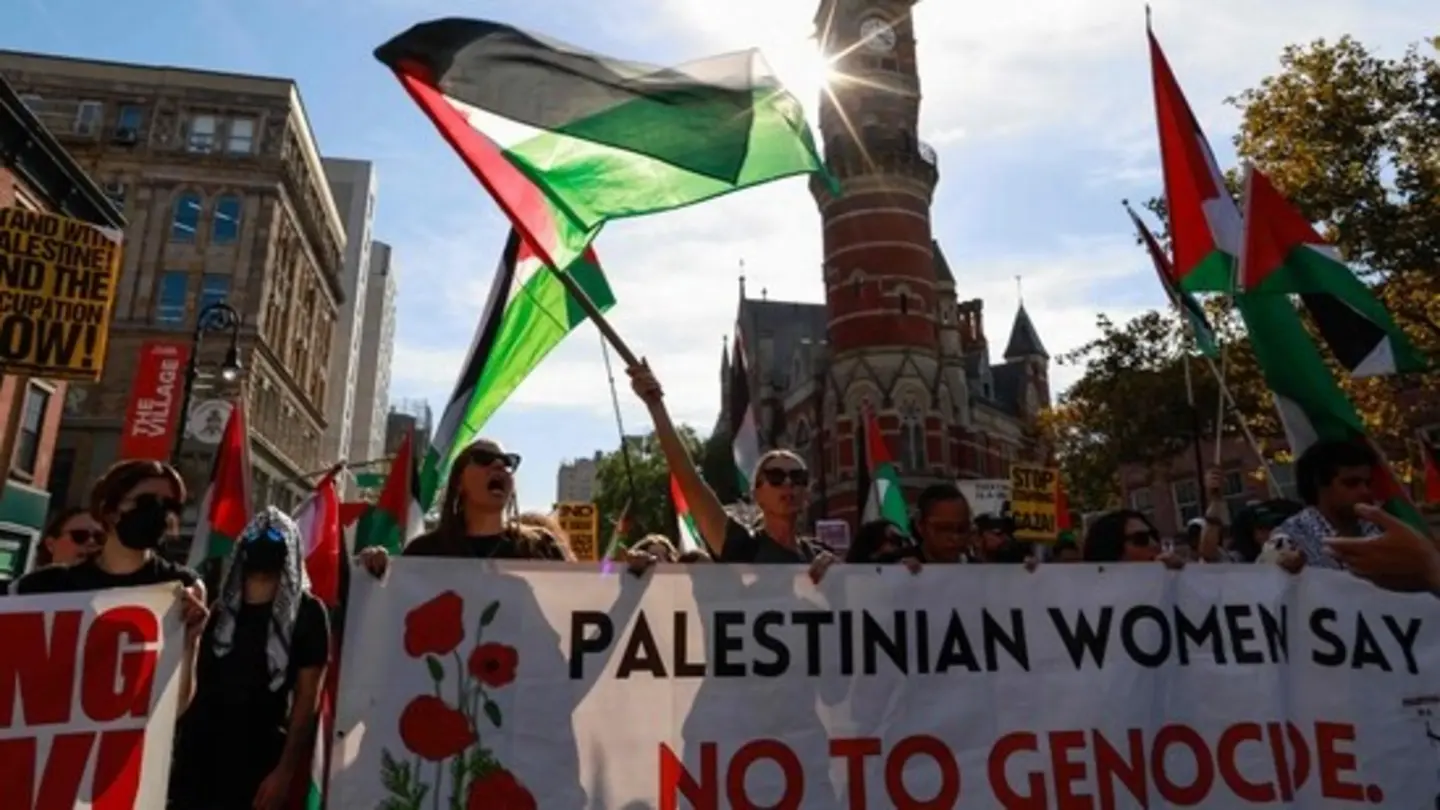
Parallel to the military operations, protests have erupted in various parts of the world, with demonstrators expressing solidarity with the Palestinian people and demanding an end to the Israeli occupation. These demonstrations have drawn large crowds and have served as a platform for raising awareness about the plight of civilians in Gaza. At the same time, counter-protests have also taken place, reflecting the deeply polarized views on the conflict.
The complexities surrounding the peace negotiations stem from a range of factors, including disagreements over key issues such as the release of prisoners, the lifting of the blockade, and the future status of Jerusalem. Both sides have accused each other of intransigence and of setting unrealistic preconditions for a ceasefire. Mediators have been working tirelessly to bridge the gaps and to find common ground, but progress has been slow and painstaking.
The humanitarian situation in Gaza remains critical, with shortages of food, water, medicine, and other essential supplies. International aid organizations have been struggling to provide assistance to those in need, but their efforts have been hampered by the ongoing violence and by restrictions on access. The health system is on the brink of collapse, and there are growing concerns about the spread of infectious diseases. The psychological toll of the conflict on the population is also immense, with many people suffering from trauma, anxiety, and depression.
The international community has a crucial role to play in bringing about a lasting resolution to the conflict. Concerted diplomatic efforts are needed to create a conducive environment for meaningful negotiations. It is also essential to address the underlying causes of the conflict, including the political, economic, and social grievances that have fueled the cycle of violence. Only through a comprehensive approach that addresses both the immediate needs and the long-term challenges can a just and sustainable peace be achieved.
As the world watches and waits, the people of Gaza continue to endure unimaginable suffering. The urgency of the situation demands immediate action to alleviate their plight and to pave the way for a future of peace and security.
Image Source: Google | Image Credit: Respective Owner