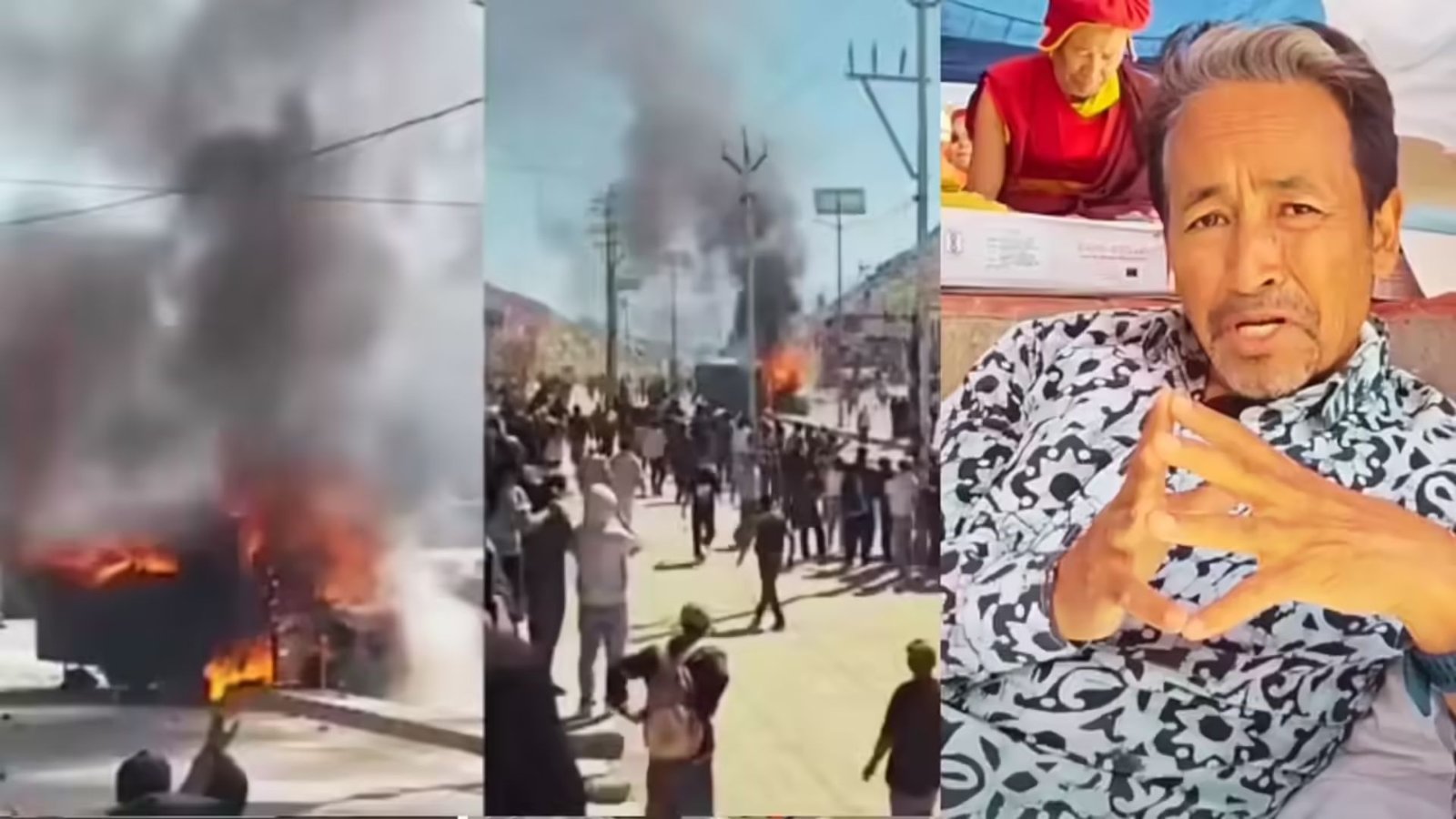
Sonam Wangchuk, the Ladakhi engineer and activist, has vowed to continue his protest despite being imprisoned in Jodhpur jail. Wangchuk, known for his environmental activism and advocacy for Ladakh’s unique culture and ecology, was detained during a protest related to the region’s demands for statehood and protection under the Sixth Schedule of the Constitution. His imprisonment has sparked widespread outrage and further fueled the ongoing unrest in Ladakh.
The protests in Ladakh have been gaining momentum in recent months, driven by concerns over the region’s fragile environment and the potential impact of unchecked development following its designation as a Union Territory in 2019. Wangchuk has been a vocal advocate for safeguarding Ladakh’s resources and preserving its cultural identity, leading numerous campaigns and initiatives to raise awareness about these critical issues.
Demands for Statehood and Sixth Schedule Protection
The primary demands of the protestors center around the granting of statehood to Ladakh and its inclusion under the Sixth Schedule of the Constitution. This schedule provides special provisions for the administration of tribal areas, ensuring greater autonomy and protection for local communities and their traditional practices. The protestors argue that these safeguards are essential to prevent the exploitation of Ladakh’s resources and the erosion of its cultural heritage.
Wangchuk’s detention has been perceived by many as an attempt to suppress the voices of dissent and stifle the growing movement for greater autonomy and protection in Ladakh. His supporters have rallied in his defense, organizing protests and demonstrations to demand his release and to amplify the call for statehood and Sixth Schedule protection. The situation remains tense, with authorities closely monitoring the developments and attempting to maintain order in the region.
The imprisonment of Sonam Wangchuk has brought renewed attention to the complex issues facing Ladakh and the challenges of balancing development with environmental sustainability and cultural preservation. The ongoing protests reflect a deep-seated desire among the Ladakhi people to have greater control over their own affairs and to ensure that their unique way of life is protected for future generations. The coming weeks will be crucial in determining the direction of the movement and the response of the government to the demands of the protestors. The situation highlights the ongoing need for dialogue and a comprehensive approach to address the grievances and aspirations of the people of Ladakh. The resolution to this conflict will significantly impact the future trajectory of this strategically important region.
Image Source: Google | Image Credit: Respective Owner