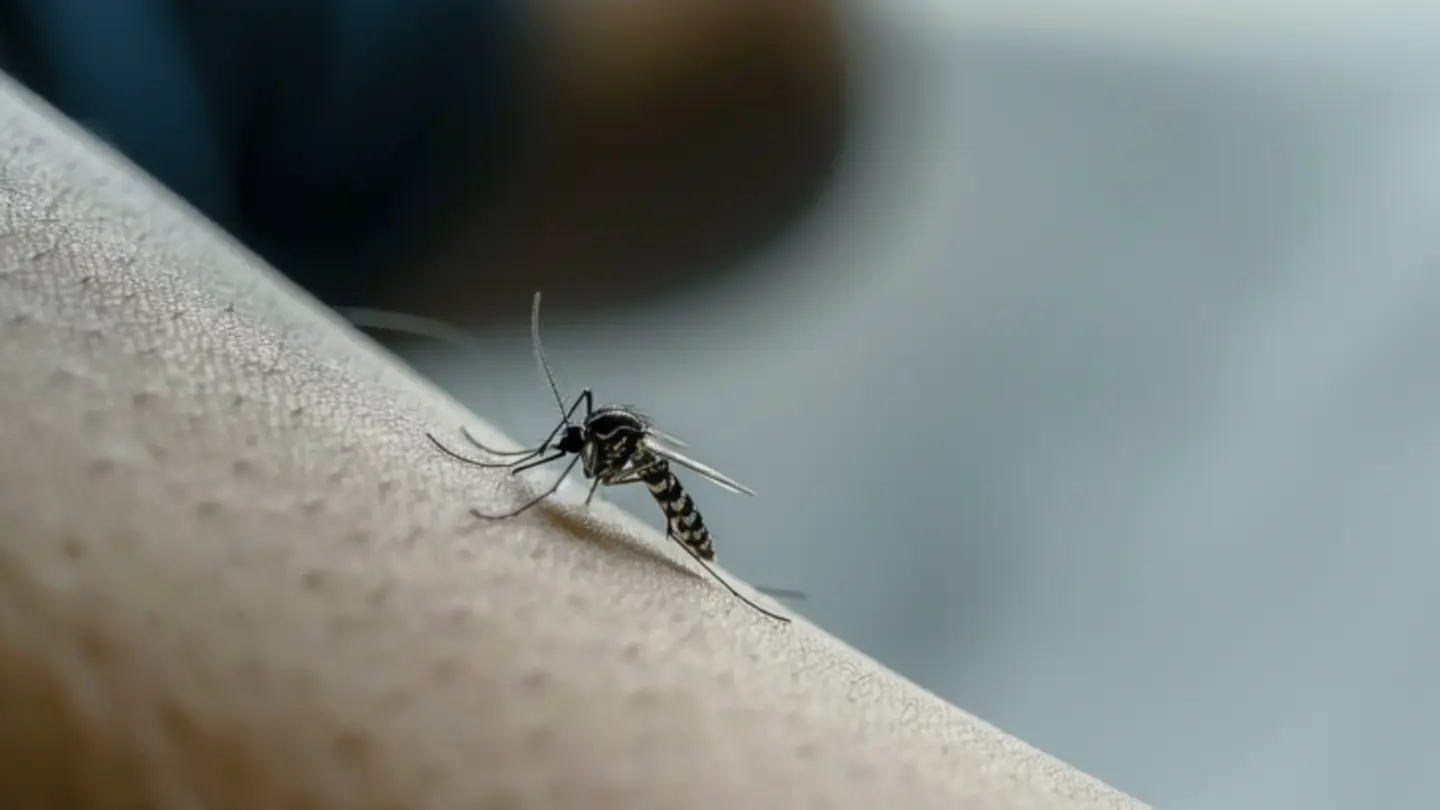
A significant portion of India’s population, exceeding 5 million individuals, is at risk of developing chronic chikungunya, a debilitating condition characterized by persistent joint pain and fatigue. The rising threat stems from the increasing prevalence of the chikungunya virus, transmitted by mosquitoes, and the potential for long-term complications following acute infection.
Chikungunya, while rarely fatal, can lead to chronic arthritis-like symptoms that significantly impact quality of life. Studies have shown that a substantial percentage of individuals infected with chikungunya experience persistent joint pain for months or even years after the initial illness. This long-term burden poses a considerable challenge for healthcare systems and individuals alike.
Understanding the Risk Factors
Several factors contribute to the elevated risk of chronic chikungunya in India. High population density, inadequate mosquito control measures, and a tropical climate conducive to mosquito breeding create a favorable environment for the spread of the virus. Furthermore, limited awareness about preventive measures and delayed access to appropriate treatment exacerbate the problem.
The symptoms of acute chikungunya typically include fever, joint pain, headache, muscle pain, and rash. While most individuals recover within a week or two, a significant proportion develops chronic symptoms. The exact mechanisms underlying the development of chronic chikungunya are not fully understood, but factors such as viral persistence, immune response, and genetic predisposition may play a role.
Public Health Implications
The potential for a large-scale chronic chikungunya epidemic has significant public health implications. The condition can lead to reduced productivity, increased healthcare costs, and a strain on social support systems. Effective prevention and management strategies are crucial to mitigate the impact of this emerging threat.
Preventive measures include controlling mosquito populations through environmental management, using mosquito repellents, and wearing protective clothing. Early diagnosis and appropriate symptomatic treatment can help manage acute chikungunya and potentially reduce the risk of chronic complications. Research is ongoing to develop effective vaccines and antiviral therapies for chikungunya.
Public health campaigns aimed at raising awareness about chikungunya, its prevention, and the importance of seeking timely medical care are essential. Strengthening surveillance systems to monitor the spread of the virus and improving access to healthcare services are also critical steps in addressing this growing threat. Collaboration between government agencies, healthcare providers, and communities is crucial to effectively combat chikungunya and protect the health of the Indian population.
Ongoing research efforts are focused on understanding the long-term effects of chikungunya and identifying potential therapeutic targets for chronic disease management. Clinical trials are evaluating the efficacy of various treatments, including anti-inflammatory drugs and immune-modulating therapies, in alleviating chronic joint pain and improving functional outcomes. A comprehensive approach encompassing prevention, early diagnosis, and effective management is essential to minimize the burden of chikungunya and safeguard the well-being of millions of Indians.
Image Source: Google | Image Credit: Respective Owner