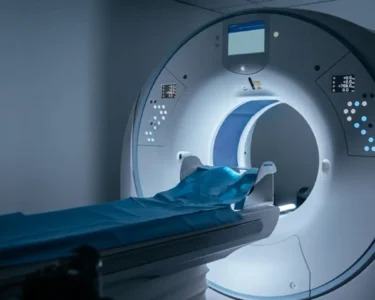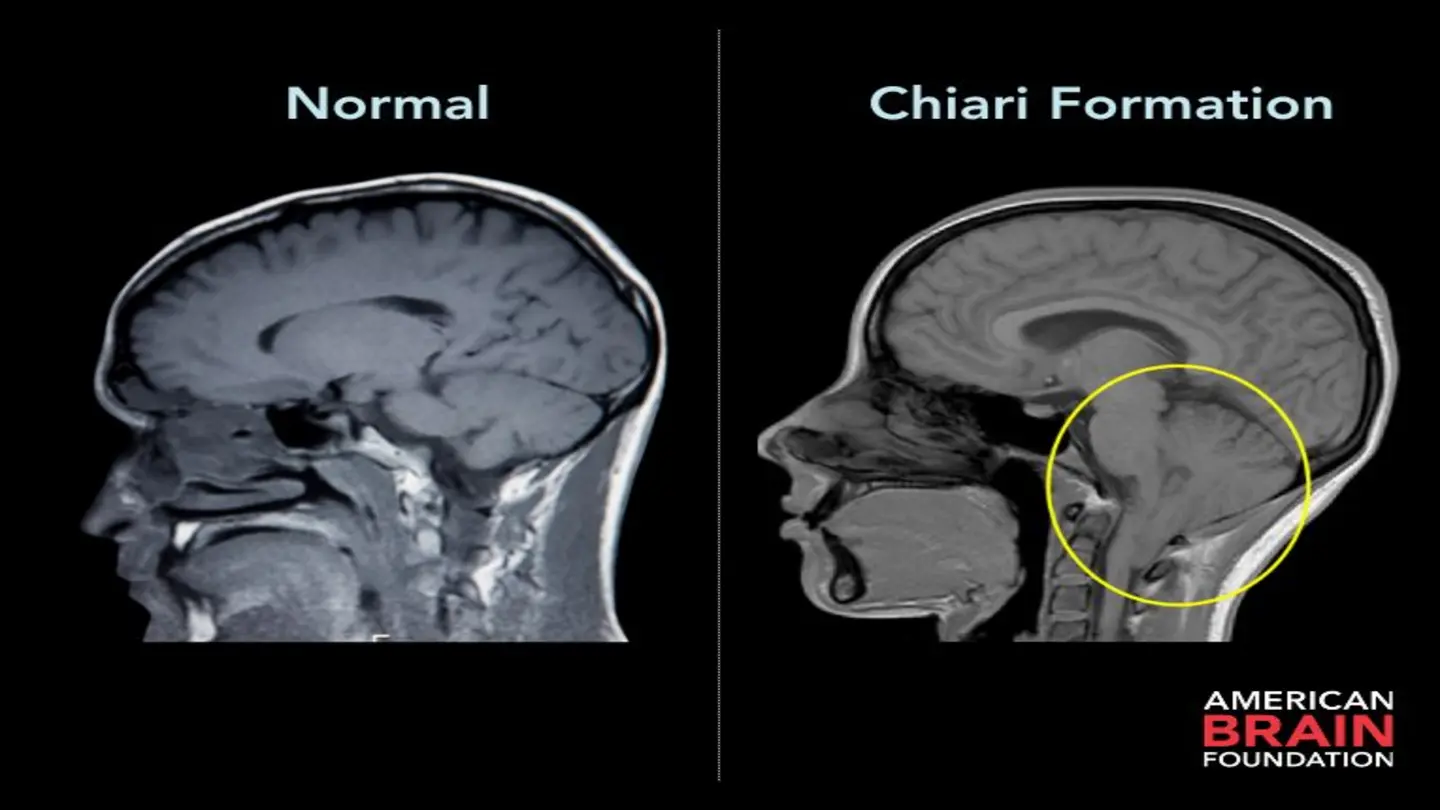
Artificial intelligence is making strides in healthcare, and a recent development highlights its potential to improve outcomes for individuals with spinal cord injuries. Researchers have developed an AI-driven blood test that can predict the likelihood of recovery following such injuries. This innovative approach offers a more precise and personalized assessment compared to traditional methods, potentially leading to more effective treatment strategies.
Predictive Power of AI
The blood test analyzes a panel of biomarkers, molecules in the blood that indicate specific biological processes. By applying machine learning algorithms, the AI system identifies patterns in these biomarkers that correlate with different levels of recovery. This allows clinicians to estimate a patient’s potential for improvement more accurately than relying solely on clinical assessments and imaging techniques.
The implications of this technology are significant. Spinal cord injuries are complex, and the degree of recovery varies widely among individuals. Currently, predicting long-term outcomes is challenging, making it difficult to tailor rehabilitation programs effectively. The AI-powered blood test offers a more objective and data-driven approach to prognosis.
“The current methods used to assess spinal cord injuries rely heavily on subjective clinical evaluations,” explains Dr. Anya Sharma, lead researcher on the project. “Our AI-driven blood test provides a quantitative measure that complements these assessments, offering a more comprehensive understanding of the patient’s condition and potential for recovery.”
Personalized Treatment Plans
One of the key benefits of this technology is its potential to personalize treatment plans. By identifying individuals who are likely to respond well to specific therapies, clinicians can optimize rehabilitation strategies and allocate resources more efficiently. For example, patients with a high probability of recovery might benefit from intensive rehabilitation programs, while those with a lower probability might require alternative approaches focused on maximizing function and quality of life.
The development of this AI-driven blood test is a significant step forward in the field of spinal cord injury research and treatment. It demonstrates the power of artificial intelligence to transform healthcare by providing more accurate diagnostics, personalized treatment plans, and ultimately, improved outcomes for patients. Further research is underway to refine the test and expand its application to other neurological conditions.
The research team is also exploring the possibility of using the blood test to monitor treatment response. By tracking changes in biomarker levels over time, clinicians can assess whether a particular therapy is working and adjust the treatment plan accordingly.
The findings from this study have been published in a leading medical journal and have generated considerable interest within the scientific community. While the AI-driven blood test is not yet widely available, it is expected to become an important tool for clinicians in the management of spinal cord injuries in the near future. This technological advancement offers renewed hope for individuals affected by these debilitating injuries.
Image Source: Google | Image Credit: Respective Owner