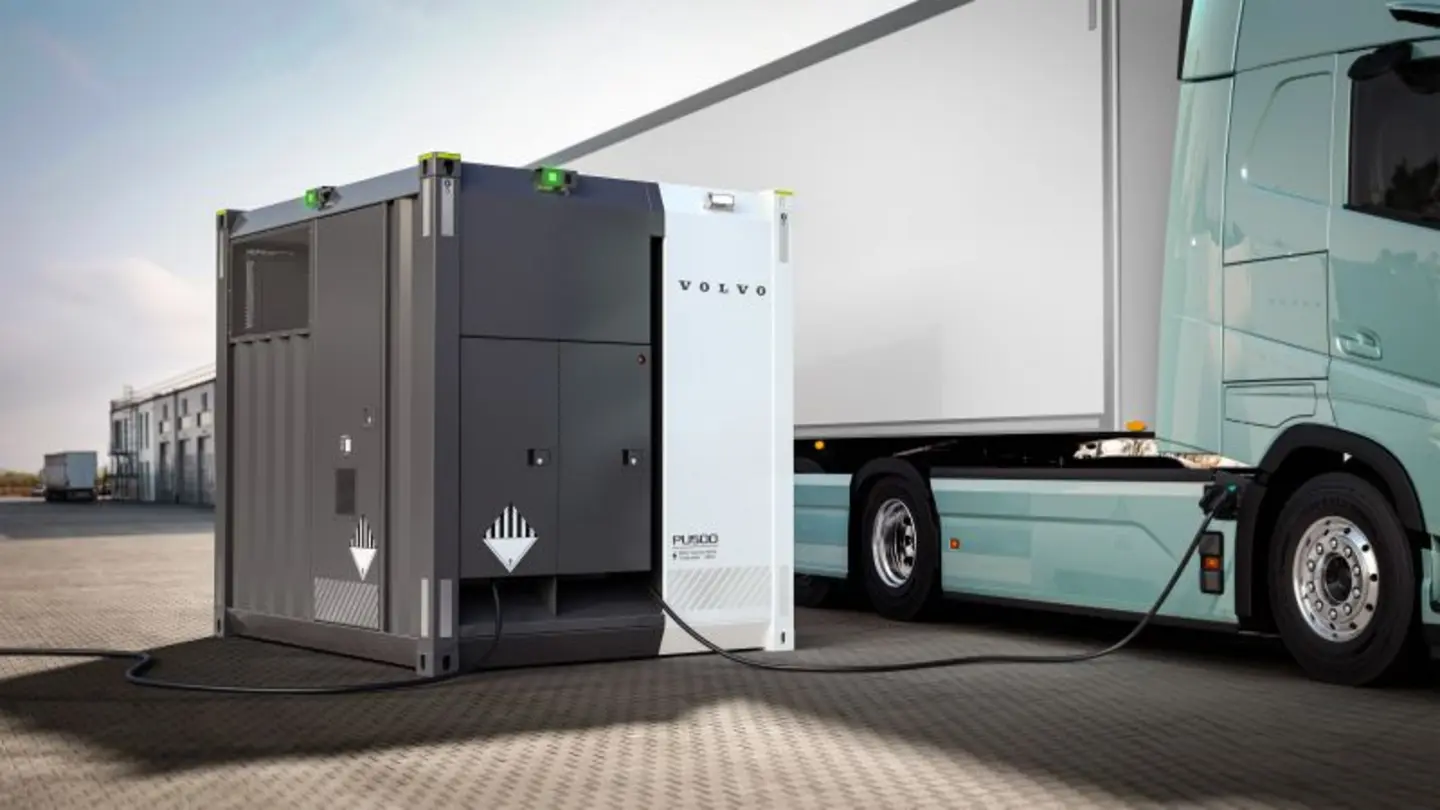
A significant advancement in electric vehicle (EV) charging technology promises to drastically reduce charging times and improve grid efficiency. Researchers have developed compact, transformer-free megawatt converters that enable ultra-fast charging capabilities. This innovation addresses a key barrier to widespread EV adoption: the time it takes to recharge a vehicle.
Conventional EV chargers rely on bulky and inefficient transformers to convert electricity from the grid to a voltage suitable for charging batteries. These transformers add to the size, weight, and cost of charging infrastructure, and they can also contribute to energy losses during the conversion process. The newly developed megawatt converters eliminate the need for these transformers, resulting in a more streamlined and efficient charging system.
Key Features of the New Technology
The transformer-free design is achieved through advanced power electronics and control algorithms. These converters utilize silicon carbide (SiC) semiconductors, which offer superior performance compared to traditional silicon-based devices. SiC semiconductors can operate at higher voltages and frequencies, resulting in smaller and more efficient power conversion.
Furthermore, the converters incorporate sophisticated control algorithms that optimize the charging process and minimize stress on the grid. These algorithms can dynamically adjust the charging voltage and current to match the battery’s state of charge and the grid’s capacity. This ensures a safe and reliable charging experience while also preventing overloading the grid.
The compact size of these converters is another significant advantage. By eliminating the transformer, the overall footprint of the charging station is significantly reduced, making it easier to deploy in urban areas and other space-constrained environments. This is particularly important for commercial charging stations, where space is often at a premium.
Implications for the EV Industry
The development of transformer-free megawatt converters has far-reaching implications for the EV industry. Ultra-fast charging capabilities will make EVs more appealing to consumers who are concerned about range anxiety and charging times. With charging times reduced to just a few minutes, EVs can become a more practical option for long-distance travel and daily commutes.
In addition, the increased efficiency of these converters will reduce energy losses and lower the overall cost of EV charging. This will make EVs more competitive with gasoline-powered vehicles and accelerate the transition to a cleaner and more sustainable transportation system. The technology also paves the way for improved grid stability with the efficient power transfer.
The elimination of bulky transformers also simplifies the installation and maintenance of charging infrastructure. This will reduce the upfront costs of deploying charging stations and make it easier to scale up the charging network to meet the growing demand for EVs. As the cost of EV charging decreases and charging times shorten, the mass adoption of electric vehicles becomes more attainable.
The research signifies a pivotal step towards realizing ultra-fast EV charging, addressing existing limitations in infrastructure and contributing to a more efficient, convenient, and accessible electric mobility future. Further developments and commercialization of this technology could fundamentally transform the EV landscape.
Image Source: Google | Image Credit: Respective Owner