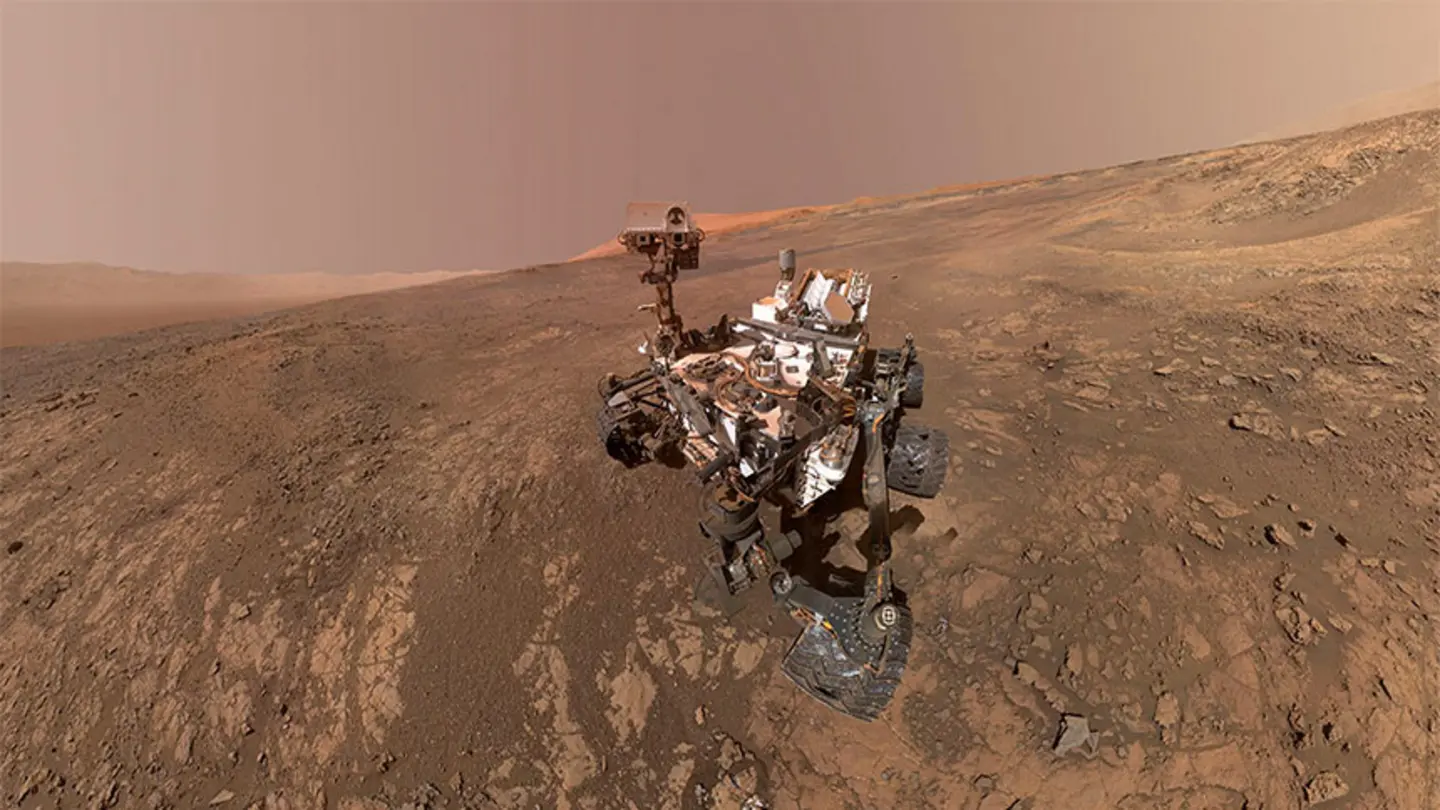
In a groundbreaking discovery, scientists have reported the strongest evidence yet of potential life on Mars. This revelation stems from new analyses of data collected by the Mars rovers and orbiters, which have identified compelling anomalies in the Martian atmosphere and soil composition. While definitive proof remains elusive, the current findings have ignited a renewed sense of optimism within the scientific community and fueled plans for future missions designed to delve deeper into these promising leads.
Methane Detection and Seasonal Variations
One of the most significant indicators is the detection of methane, an organic molecule often associated with biological activity, in the Martian atmosphere. The levels of methane fluctuate seasonally, with higher concentrations observed during the warmer months. While methane can also be produced by geological processes, the cyclical nature of its presence raises the possibility of a biological origin. Scientists are particularly interested in pinpointing the sources of these methane emissions to better understand their nature.
Unusual Soil Composition
Furthermore, analysis of Martian soil samples has revealed unusual chemical compositions that cannot be easily explained by purely abiotic processes. Certain isotopes and organic compounds have been detected, suggesting the possibility of past or present microbial life. The presence of these compounds, coupled with the methane detections, creates a more compelling narrative for potential biological activity on the red planet. The rovers’ instruments have been crucial in gathering this data, providing invaluable insights into the planet’s surface and subsurface.
Future Missions and Research
These findings are driving the development of future Mars missions with advanced instruments capable of detecting more complex organic molecules and even direct evidence of microbial life. Scientists are also exploring the possibility of subsurface habitats, where liquid water, a crucial ingredient for life as we know it, may exist. The search for water ice and potential aquifers is a key focus of ongoing and planned exploration efforts. International collaborations are essential to maximizing the potential of these missions and sharing the resulting data with the global scientific community.
The implications of discovering life on Mars would be profound, altering our understanding of the universe and our place within it. It would also raise fundamental questions about the origin and evolution of life, potentially leading to new insights into the conditions necessary for life to arise. While caution and rigorous scientific scrutiny are essential, the latest findings offer a tantalizing glimpse into the possibility that we are not alone in the cosmos.
The ongoing research underscores the importance of continued exploration and investment in space science. As technology advances, our ability to probe the mysteries of Mars and other celestial bodies will only increase, bringing us closer to answering some of the most fundamental questions about the universe and the potential for life beyond Earth.
Image Source: Google | Image Credit: Respective Owner