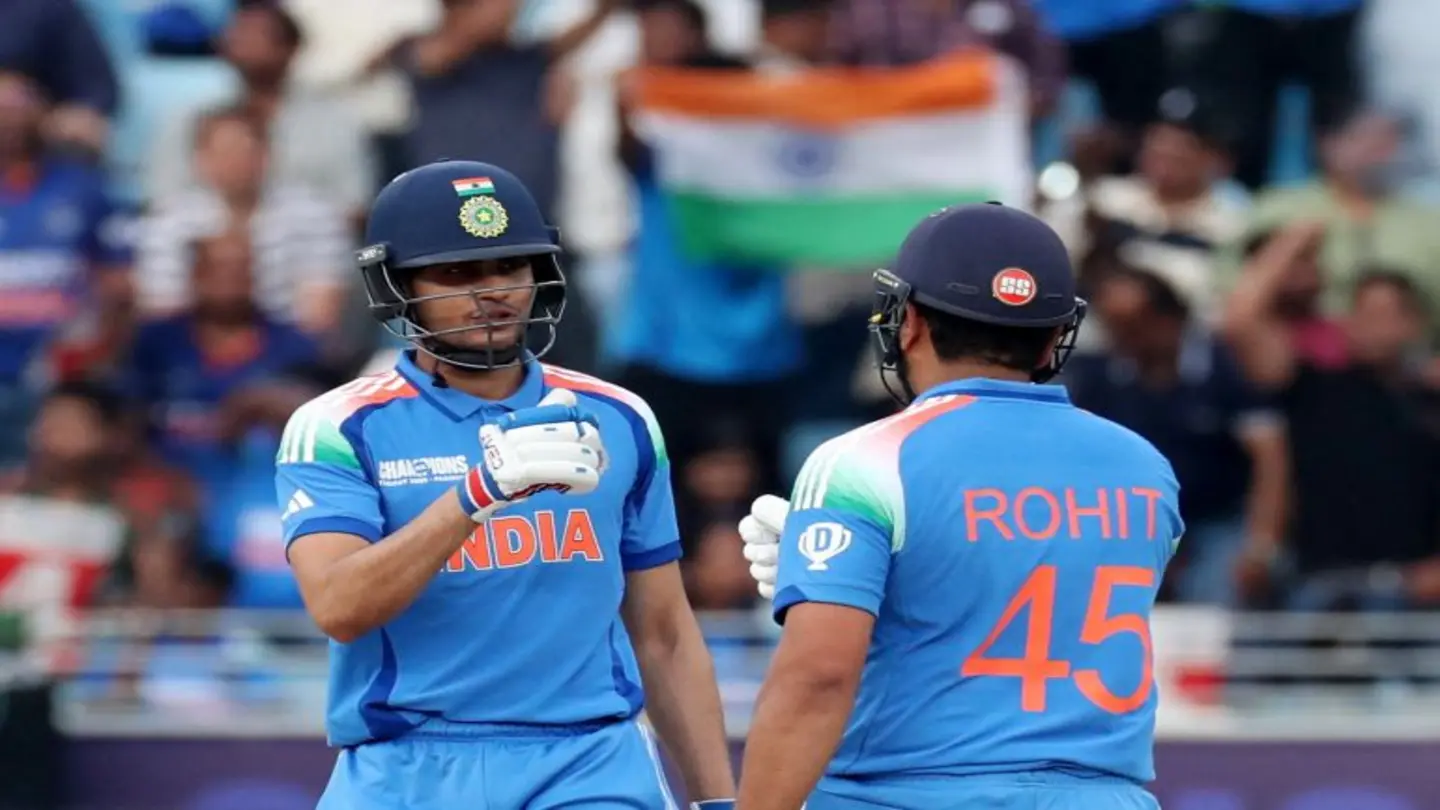
Shubman Gill’s potential captaincy role has ignited a debate about the future leadership of the Indian cricket team, raising questions about whether Rohit Sharma’s tenure is nearing its end. While Rohit Sharma has dedicated 16 years to Indian cricket, the focus is now shifting towards grooming younger leaders like Gill for the future.
The discussion surrounding Gill’s captaincy arose amidst speculations and analyses regarding the strategic direction the team might take in the coming years. As a promising young talent, Gill represents the next generation of Indian cricketers, and his potential leadership qualities are being closely examined.
Transition and Future Leadership
The transition from senior players to emerging talents is a natural process in any sport, and cricket is no exception. The Board of Control for Cricket in India (BCCI) is likely considering a phased approach to ensure a smooth handover of responsibilities. Giving Gill opportunities to lead in certain series or matches could be a strategic move to prepare him for a more permanent role.
Rohit Sharma’s contribution to Indian cricket is undeniable. His experience and leadership have been invaluable, but the demands of modern cricket require adaptability and forward-thinking strategies. The debate isn’t about diminishing Rohit’s legacy but about planning for the team’s long-term success. The transition period, if and when it arrives, needs to be handled with sensitivity and respect for the senior players who have served the nation with distinction.
The board and selectors will need to make crucial decisions balancing current performance with future prospects. Introducing younger leaders doesn’t mean sidelining experienced players immediately. A blend of youth and experience could provide the stability and dynamism required for success on the global stage.
Gill’s Potential
Shubman Gill’s potential as a captain is based on his composure, tactical awareness, and ability to perform under pressure. His performances in various formats of the game have showcased his talent, and his ability to handle pressure situations makes him a strong candidate for leadership.
However, captaincy requires more than just on-field performance; it demands excellent communication, man-management skills, and the ability to inspire and motivate the team. The selectors will be closely monitoring Gill’s development in these areas as they evaluate his suitability for the role.
The appointment of a captain is a strategic decision that can significantly impact the team’s performance. The selectors will consider various factors, including player performance, leadership qualities, and the overall dynamics of the team, before making a final decision. This is a period of speculation and analysis, but the ultimate goal remains the same: to ensure the Indian cricket team remains competitive and successful in the years to come.
Image Source: Google | Image Credit: Respective Owner