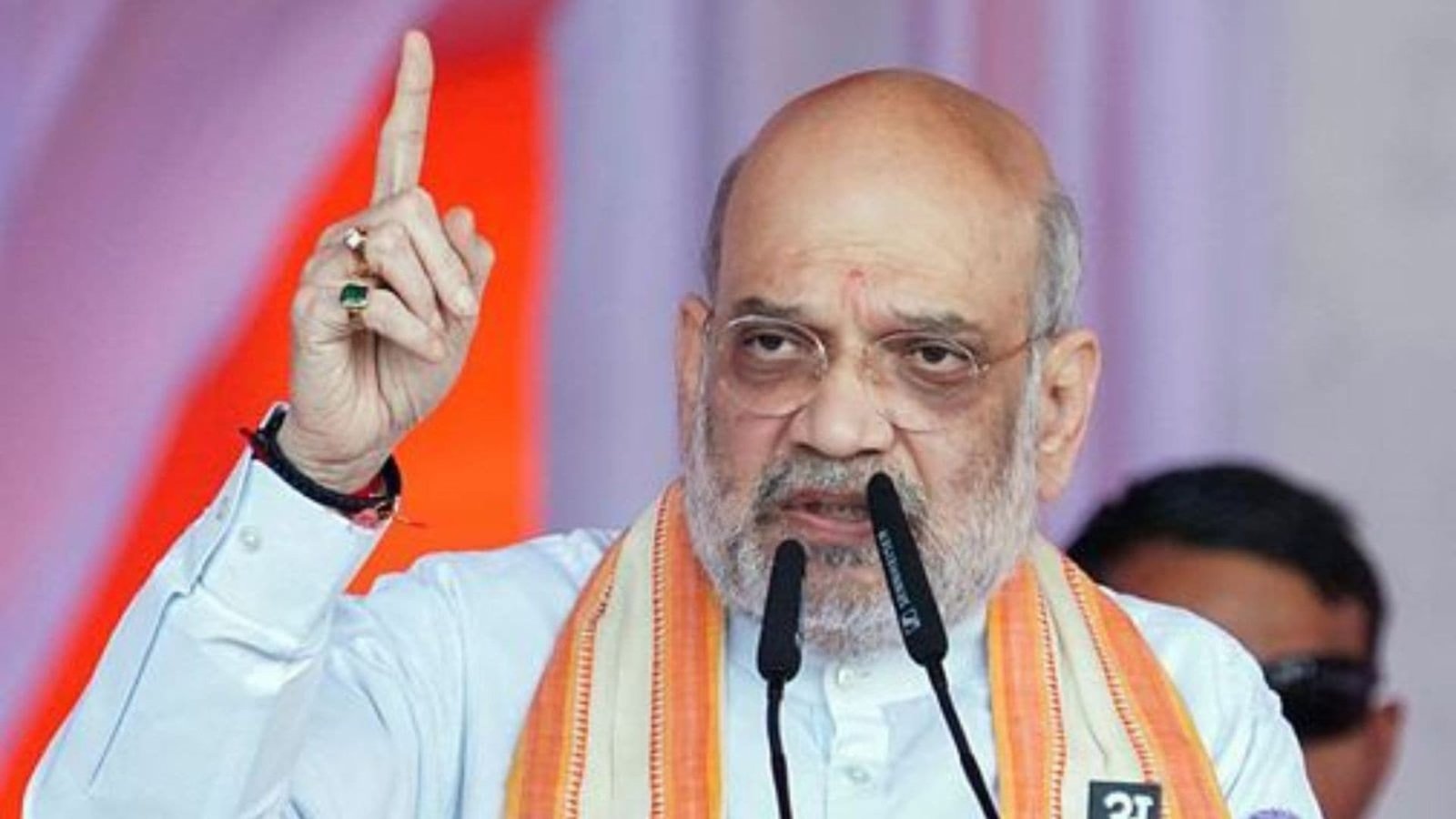
Union Home Minister Amit Shah has issued a firm ultimatum to Naxal insurgents, stating that any dialogue is contingent upon the laying down of arms. This declaration comes amid reports of internal strife within Naxal ranks, potentially weakening the Maoist insurgency that has plagued parts of India for decades.
Shah’s uncompromising stance, articulated during a recent security review meeting, reflects the government’s strategy of addressing Left Wing Extremism (LWE) with a combination of security operations and development initiatives. The Home Minister emphasized that the government is open to addressing legitimate grievances, but violence and armed rebellion are unacceptable preconditions for negotiation. He underscored that only those who surrender their weapons and abide by the law can be considered for talks.
Internal Discord in Naxal Ranks
Intelligence agencies have reported growing divisions within Naxal organizations, fueled by ideological differences, competition for resources, and disillusionment among cadres. Some factions are reportedly advocating for a more pragmatic approach, including engaging in dialogue with the government, while others remain committed to armed struggle. This internal conflict has led to infighting and defections, further weakening the Naxal movement’s overall strength and operational capabilities.
The government views these internal divisions as an opportunity to intensify its efforts to dismantle the Naxal network. Security forces have been instructed to maintain relentless pressure on Naxal hideouts while simultaneously offering rehabilitation packages to those who surrender. The rehabilitation programs aim to provide surrendered Naxals with vocational training, financial assistance, and counseling to help them reintegrate into mainstream society.
Shah reiterated the government’s commitment to holistic development in LWE-affected areas, focusing on infrastructure development, education, healthcare, and livelihood opportunities. He asserted that addressing the root causes of Naxalism, such as poverty, inequality, and lack of access to basic services, is crucial for achieving long-term peace and stability. The government has launched various initiatives, including the construction of roads, schools, and hospitals, to improve the quality of life in these regions and win the trust of the local population.
The Home Minister’s firm stance and the ongoing internal strife within Naxal groups signal a potentially significant shift in the dynamics of the LWE conflict. Whether the Naxals will heed the government’s call to disarm and engage in dialogue remains to be seen. However, the combination of security pressure, development initiatives, and internal divisions presents a challenging environment for the insurgency.
The government is closely monitoring the situation and remains prepared to adjust its strategy as needed. The ultimate goal is to establish lasting peace and security in LWE-affected areas and ensure that all citizens have the opportunity to lead prosperous and fulfilling lives.
Image Source: Google | Image Credit: Respective Owner