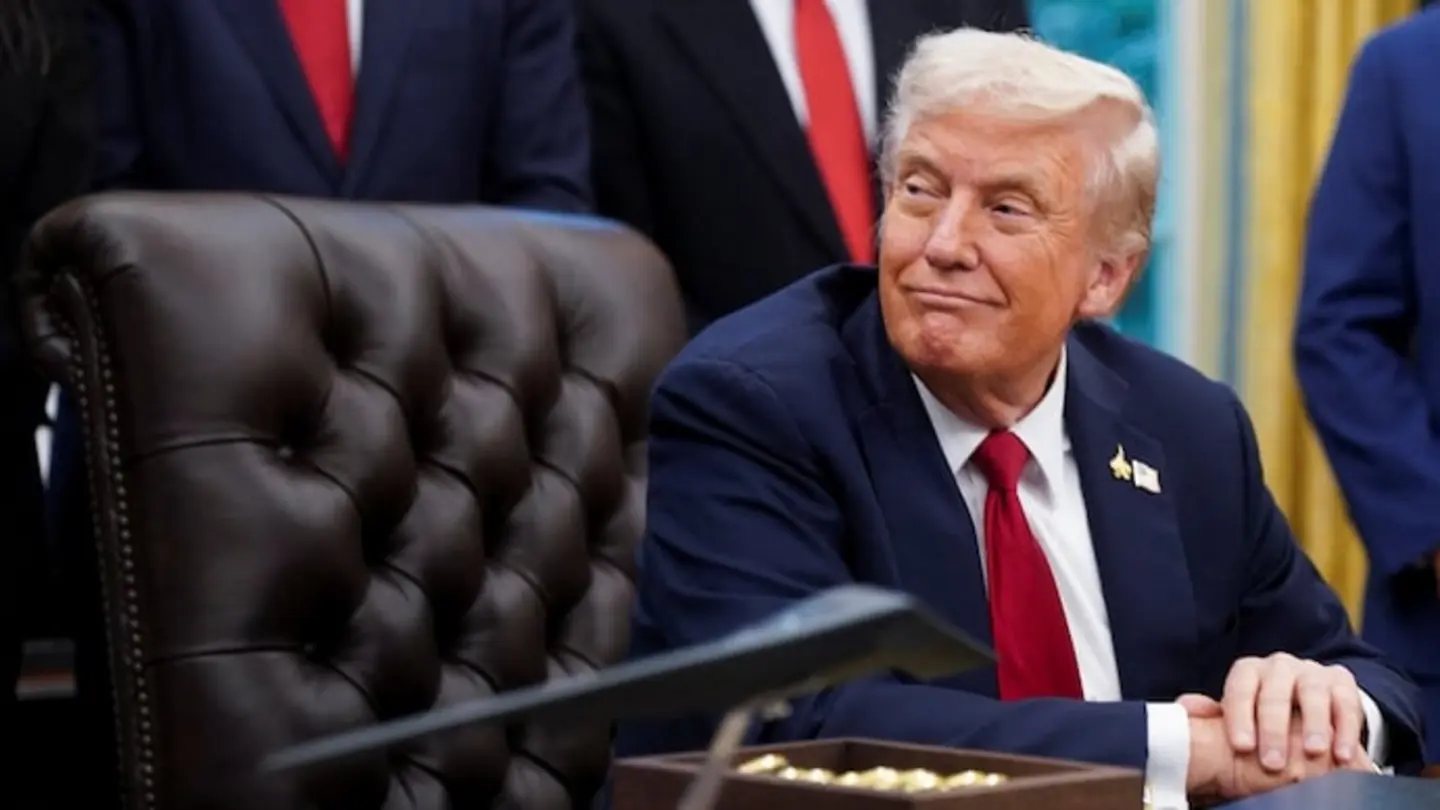
Former U.S. President Donald Trump has asserted that Israel has agreed to a “withdrawal line” as part of a ceasefire agreement with Hamas. According to Trump, confirmation from Hamas regarding their acceptance of the proposed terms would immediately trigger a ceasefire. The details of the “withdrawal line” and the broader ceasefire proposal remain largely undisclosed, fueling speculation about the potential scope and implications of the agreement.
Ceasefire Conditions
Trump emphasized that the immediate cessation of hostilities hinges on Hamas formally accepting the terms. The former president’s statement adds a layer of complexity to the ongoing diplomatic efforts aimed at securing a lasting peace in the region. It remains unclear what specific conditions are attached to the “withdrawal line” and how it would impact the existing territorial arrangements.
International Reactions
The announcement has prompted mixed reactions from international observers. Some have expressed cautious optimism, viewing it as a potential breakthrough in the protracted conflict. Others have adopted a more skeptical stance, highlighting the need for verifiable commitments from both sides before any meaningful progress can be achieved. The involvement of international mediators, including representatives from Egypt, Qatar, and the United States, underscores the urgency of the situation.
Challenges Ahead
Despite Trump’s claims, significant challenges persist in bridging the divide between Israel and Hamas. Deep-seated mistrust and conflicting demands continue to impede efforts to reach a comprehensive and durable agreement. The international community is closely monitoring the situation, with mounting pressure on both parties to demonstrate a genuine commitment to peace.
Future Prospects
The potential for a ceasefire hinges on several critical factors, including the willingness of both Israel and Hamas to compromise on key issues. The specifics of the proposed “withdrawal line” and the mechanisms for ensuring its implementation will also play a crucial role in determining the success of any agreement. While Trump’s statement offers a glimmer of hope, the path towards a lasting resolution remains fraught with uncertainty.
Geopolitical Context
The broader geopolitical context, including the involvement of regional and international actors, further complicates the situation. The United States, under the Biden administration, has actively engaged in diplomatic efforts to de-escalate tensions and promote a peaceful resolution to the conflict. However, the long-standing complexities of the Israeli-Palestinian conflict continue to pose formidable obstacles to achieving a comprehensive settlement.
Ultimately, the success of any ceasefire agreement will depend on the ability of both sides to overcome their differences and forge a path towards a future of peaceful coexistence. The international community must remain engaged and supportive in facilitating dialogue and providing the necessary resources to ensure the sustainable implementation of any agreed-upon terms.
Image Source: Google | Image Credit: Respective Owner