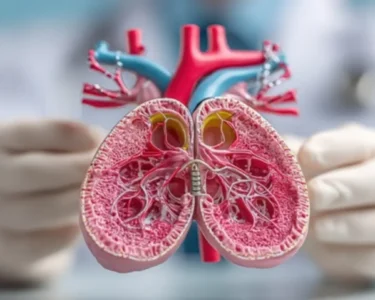
In a groundbreaking achievement, scientists have engineered a universal donor kidney, offering a potential solution to the critical organ shortage crisis. This innovative approach modifies kidney tissue to eliminate blood type antigens, making the organ compatible with any recipient, regardless of their blood type. The breakthrough, reported by the Times of India, promises to significantly reduce transplant waiting times and improve outcomes for patients suffering from end-stage renal disease.
The Science Behind the Universal Kidney
The process involves removing A and B antigens, the molecules that determine blood type, from the donor kidney. By eliminating these antigens, the kidney becomes ‘O type,’ the universal donor blood type. This allows the organ to be transplanted into any patient without triggering an immune response. Researchers are optimistic that this technology can be applied to other organs, further expanding the pool of available transplants.
Kidney transplantation is the optimal treatment for end-stage renal disease, offering improved survival rates and quality of life compared to dialysis. However, the demand for kidneys far exceeds the supply, leading to long waiting lists and preventable deaths. A significant number of potential recipients are incompatible with available donor kidneys due to blood type mismatches. The development of a universal donor kidney addresses this critical barrier, potentially saving thousands of lives each year.
Potential Impact on Transplantation
The implications of this breakthrough are far-reaching. By creating a readily available supply of universal donor kidneys, transplant centers could significantly reduce waiting times, ensuring that more patients receive timely and life-saving transplants. This would also reduce the need for prolonged dialysis, which can have significant side effects and impact patients’ quality of life. Furthermore, the ability to transplant kidneys across blood type barriers could expand the donor pool, making more organs available for those in need.
Researchers are now focused on refining the technology and conducting clinical trials to evaluate the safety and efficacy of universal donor kidney transplantation. While challenges remain, the initial results are highly promising, offering hope for a future where organ shortages are a thing of the past. This development marks a significant step forward in transplant medicine and highlights the potential of bioengineering to address critical healthcare needs.
The creation of a universal donor kidney represents a paradigm shift in transplantation. This innovative approach has the potential to transform the lives of countless individuals suffering from kidney disease, offering them a second chance at a healthy and fulfilling life. As research progresses and clinical trials are conducted, the promise of a future with readily available, universally compatible organs moves closer to reality.
Image Source: Google | Image Credit: Respective Owner