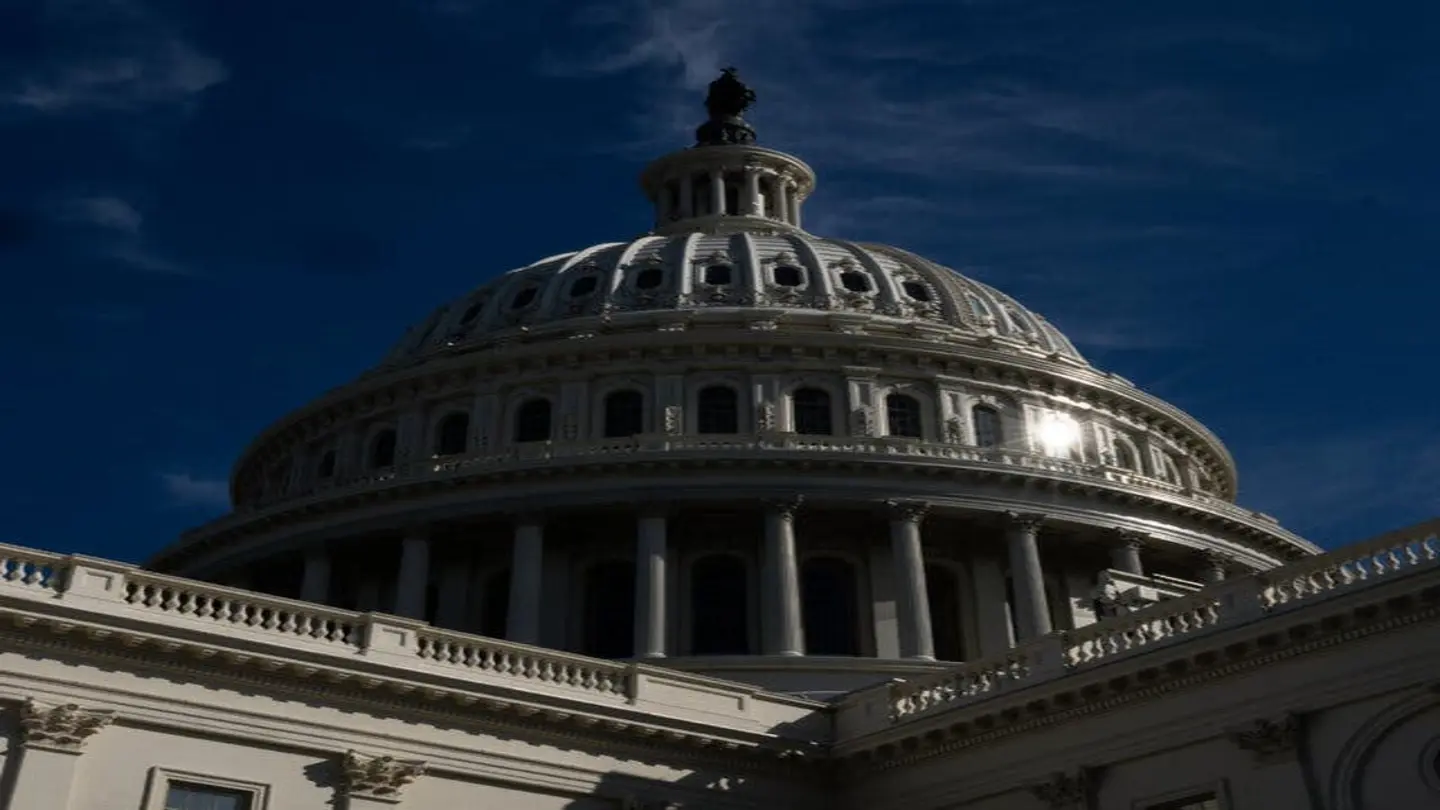
The US government shutdown continues as the Senate failed to advance legislation to end the impasse, and the House of Representatives announced it would not be in session next week. The stalemate leaves federal agencies unfunded and hundreds of thousands of government employees either furloughed or working without pay. The repeated blocking of Senate votes highlights the deep partisan divisions hindering efforts to reach a compromise.
Senate Gridlock
Despite ongoing negotiations, lawmakers have been unable to agree on a funding package that can garner enough support to pass both the House and Senate. The primary sticking point remains disagreements over spending levels and policy riders attached to the appropriations bills. Conservative Republicans are pushing for deeper spending cuts and stricter border security measures, while Democrats insist on maintaining current funding levels and opposing restrictive immigration policies.
The Senate’s inability to break the deadlock underscores the challenges facing Congress in resolving budgetary conflicts. Cloture votes, which require 60 votes to overcome procedural hurdles, have repeatedly failed, preventing any substantive debate or amendment process on potential solutions. This gridlock has frustrated both parties, with each side blaming the other for the ongoing shutdown.
House Recess
Adding to the uncertainty, the House of Representatives has announced that it will be out of session next week, further delaying any potential resolution. This decision has drawn criticism from Democrats, who argue that lawmakers should remain in Washington to address the crisis. Republicans defend the move, asserting that negotiations are ongoing and that bringing the House back into session prematurely would be unproductive.
Impact of the Shutdown
The government shutdown has far-reaching consequences, affecting various sectors of the economy and disrupting essential government services. Federal employees are facing financial hardship due to unpaid wages, and many agencies have been forced to suspend or curtail operations. National parks are closed or operating with reduced staff, and passport processing times have increased. The shutdown also poses a risk to national security, as some law enforcement and intelligence agencies are operating with limited resources.
The prolonged shutdown is also damaging the US’s international standing, raising concerns among allies about the country’s political stability and reliability. Experts warn that the repeated disruptions to government operations are eroding public trust in government institutions and undermining the country’s ability to address critical challenges.
As the shutdown continues, pressure is mounting on both sides to find a way to break the impasse and restore government services. However, with deep divisions remaining and no clear path forward, the end of the shutdown remains uncertain. The consequences of this political stalemate are being felt across the nation, highlighting the urgent need for lawmakers to find common ground and fulfill their responsibility to govern.
The shutdown’s resolution hinges on both parties willingness to compromise on key issues. Negotiations are expected to continue, but the outcome remains unpredictable, leaving the nation in limbo.
Image Source: Google | Image Credit: Respective Owner