October is Breast Cancer Awareness Month, a crucial time to highlight the importance of early detection and understanding risk factors. One significant factor often overlooked is breast density. Dense breasts have a higher proportion of fibrous and glandular tissue compared to fatty tissue, which can make it harder to detect tumors on mammograms and may also increase the risk of developing breast cancer. Understanding breast density is crucial for proactive breast health.
What are Dense Breasts?
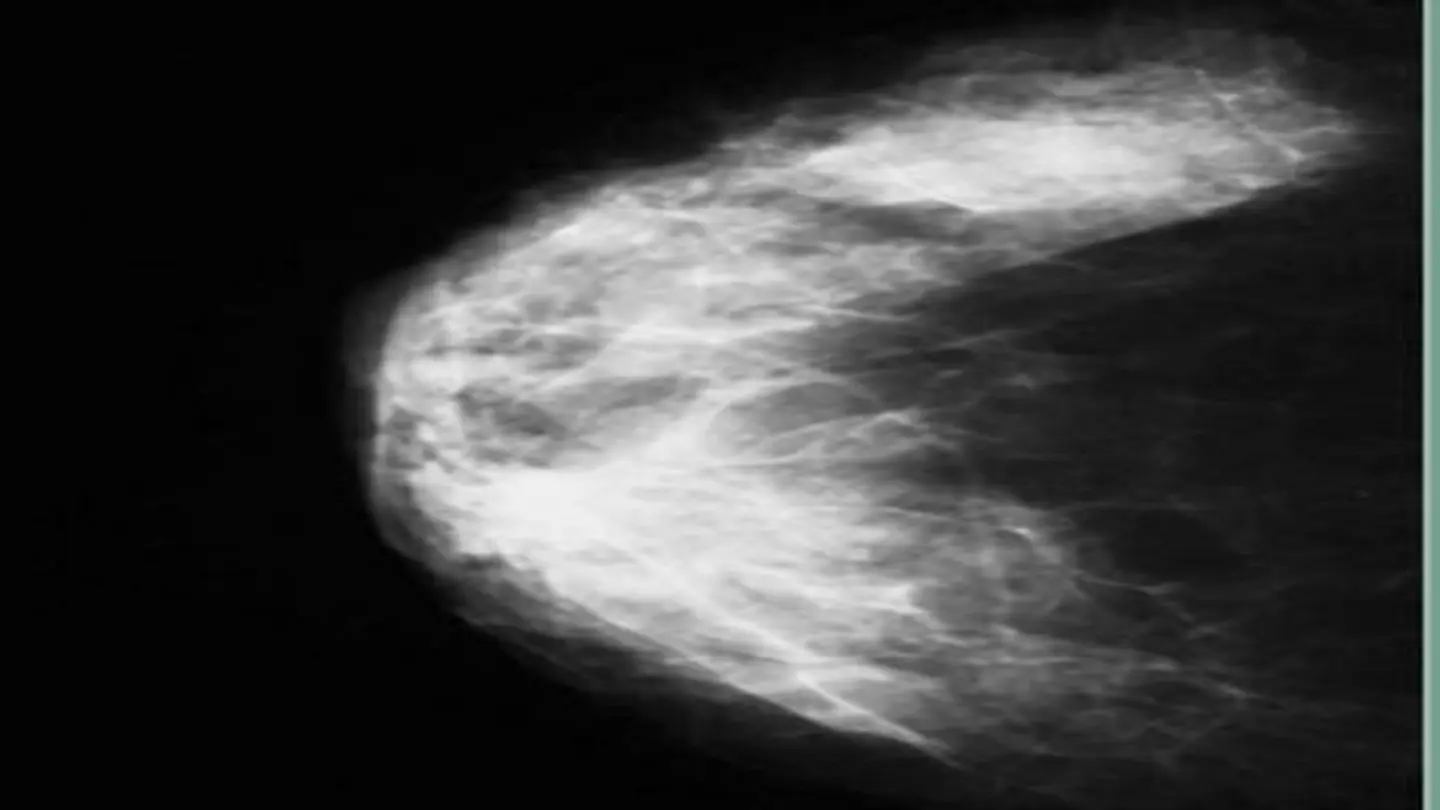
Breasts are composed of fatty tissue, fibrous tissue, and glandular tissue. The density of breast tissue refers to the relative amounts of these components. Women with dense breasts have more fibrous and glandular tissue, which appears white on a mammogram, similar to cancerous tumors. This can make it challenging for radiologists to distinguish between normal dense tissue and potential cancerous growths. Breast density is typically determined through a mammogram and categorized into four levels: almost entirely fatty, scattered areas of fibroglandular density, heterogeneously dense, and extremely dense.
Having dense breasts is common, affecting about half of women over the age of 40. However, many women are unaware of their breast density because it’s not always communicated clearly. In some regions, legislation mandates that women be informed about their breast density after a mammogram.
Increased Cancer Risk
Studies have shown that women with dense breasts have a higher risk of developing breast cancer compared to women with less dense breasts. The exact reasons for this increased risk are still being investigated, but it is believed that dense tissue may provide a more favorable environment for cancer cells to grow. Additionally, the masking effect of dense tissue on mammograms can delay the detection of tumors, potentially leading to later-stage diagnoses.
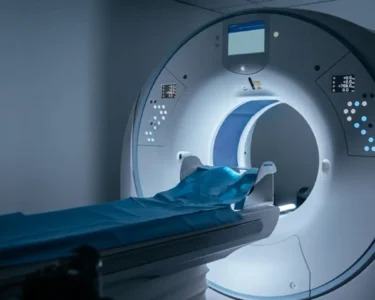
Despite the challenges, early detection remains key. Women with dense breasts should discuss supplemental screening options with their healthcare providers. These may include ultrasound, MRI, or tomosynthesis (3D mammography), which can provide more detailed images of the breast tissue and improve cancer detection rates. Regular self-exams are also important for becoming familiar with your breasts and noticing any changes.
It’s essential to remember that having dense breasts does not mean you will develop breast cancer. It simply means that you may need more personalized screening strategies. Talk to your doctor about your individual risk factors and the screening options that are right for you. Understanding your breast density is a crucial step in taking control of your breast health and promoting early detection.
Image Source: Google | Image Credit: Respective Owner